The street light pole is the part of a lighting project that most people never think about until it fails. It carries the luminaire, withstands wind and weather for decades, and often hosts signs, banners, and smart-city devices. Choosing the right pole - in material, height, and structural rating - is as important as choosing the light itself, and it directly affects both safety and total cost.
Material is the first decision. Galvanized steel is the workhorse for street light poles because it is strong, durable, and resists rust through a protective zinc coating. Aluminum poles are lighter and naturally corrosion-resistant, making them popular for decorative and coastal applications, though they cost more. The choice often comes down to whether structural strength or weight and aesthetics matter more for the site.
Standard Heights and Spacing
Pole height follows the road it serves. Residential streets and pedestrian paths typically use 4-6 meter poles, collector and secondary roads use 6-8 meters, and main roads and highways use 8-12 meters or higher. The height must be matched to the luminaire's light distribution so that illumination is even and glare is controlled, and so that pole spacing can be maximized without creating dark gaps.
Spacing and height work together. A taller pole with a wider light distribution can serve a longer stretch of road, reducing the total number of poles and foundations. That trade-off is why photometric design matters: the right pole-and-luminaire pairing lowers pole count, which saves money on both hardware and civil work, while the wrong pairing leaves patches of poor visibility.
Wind Load and Corrosion
Structural design is governed by wind load. The pole must withstand the maximum wind speed for the region, plus the extra surface area of any luminaire, banner, or sign it carries. In coastal or typhoon-prone areas, this demands a stronger pole and deeper foundation, and skimping here is a genuine safety risk rather than a cosmetic compromise.
Corrosion is the other long-term threat. Near the sea, airborne salt attacks ordinary steel quickly, so coastal projects specify hot-dip galvanized steel or aluminum with proper coatings. In industrial areas with airborne chemicals, the same logic applies. A pole that looks fine in year one but rusts through in year five is a preventable liability, and the coating specification is where that prevention happens.
Finally, modern poles increasingly carry more than a light - cameras, antennas, chargers, and sensors as smart city programs expand. That means the pole must provide mounting space, cable management, and structural reserve for future devices, not just a bracket for one luminaire. Specifying for that future now avoids expensive retrofits later.
Finish and coatings are the details that separate a pole that looks good for decades from one that weathers visibly. Hot-dip galvanizing provides a thick, bonded zinc layer that is the benchmark for corrosion protection, and a powder-coated color finish can be applied on top for aesthetics without sacrificing durability. For decorative poles in streetscapes, parks, or commercial districts, the finish is often as important as the structure, since the pole is part of the visual character of the space.
There is also a practical supply consideration. Poles are bulky, heavy, and expensive to ship long distances, so regional availability and lead time can matter as much as unit price. A project that can source poles locally or through a supplier with regional stock avoids the freight cost and schedule risk that a distant, cheapest-quote pole can impose.
Luxsky Product Perspective
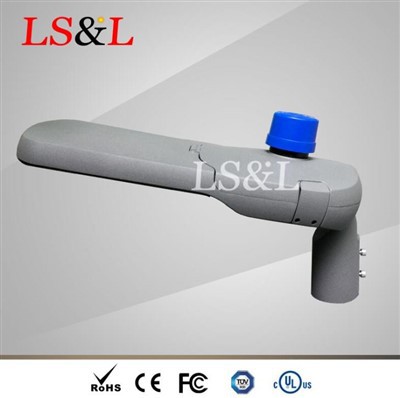
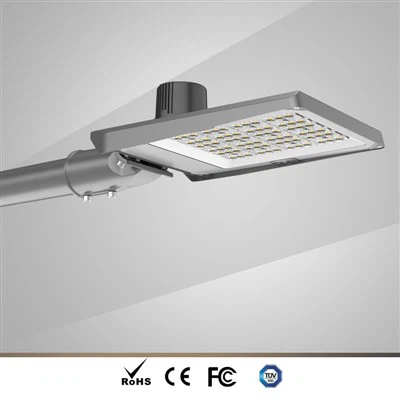
Luxsky Lighting focuses on the luminaire end of the street lighting system, and our LED street lights are designed to mount cleanly on standard galvanized and aluminum poles, with light distributions matched to common pole heights and spacings. We can provide photometric layouts that help you get the pole-and-luminaire pairing right.

For luminaire selection and layout support for your pole plan, visit luxsky-light.com/led-street-lights and speak with our team.