After years in foreign trade, I often hear port clients raise the same concern: High-power LED street lights look powerful on paper - can they really help ports save electricity? Or will we end up changing the lamps without seeing much reduction in the power bill? Today I'll use real project experience and frontline feedback to clear up this question once and for all.
Let me give the direct conclusion first: High power does not equal high energy consumption. The key to true port-grade roadway LED lighting lies in high luminous efficacy and precise matching of illuminance requirements. When the right products are chosen, high-power LED street lights can actually become the main force for port energy saving.
Why Do Some People Doubt High-Power LEDs?
Many people have a natural hesitation about "high power," assuming that higher wattage automatically means higher electricity use. In reality, port lighting has its own characteristics:
Container yards, quay fronts, and main roads require relatively high illuminance to ensure safe night-time loading/unloading and vehicle movement
Poles are tall, and spacing is wide, so each fixture must deliver sufficient luminous flux to cover the area
Traditional high-pressure sodium lamps themselves already run at high power (250 W, 400 W or even higher), so the comparison baseline is not low
If the power is simply increased while efficacy remains average, the energy savings will indeed be limited. However, when high-efficacy products manufactured under Strict quality control LED engineering lighting standards are used, the situation is completely different.
How Do High-Power LEDs Actually Deliver Energy Savings at Ports?
- Luminous efficacy is the real core
Quality high-power roadway LED lighting can achieve system efficacy of 140–160 lm/W or higher. To reach the same illuminance required by the port, actual power consumption is often only about half that of traditional lamps. On the surface the wattage looks "high," yet the real electricity use drops significantly.
- Precise replacement without waste
Different port zones have different illuminance needs. Through professional optical design and proper power selection, it is possible to make "the places that need to be bright bright enough, and the places that don't need light waste nothing." When combined with Smart outdoor light intelligent control systems that automatically dim according to working shifts, tides, or traffic flow, energy savings can increase by another 10 %–20 %.
- Stable output under long operating hours
Many port areas run close to 24-hour lighting. High-quality LED drivers and heat-dissipation design keep power stable and lumen depreciation slow even under prolonged high-load operation. The energy-saving effect can therefore last for many years, rather than looking good in the first two years and then declining as light output drops.
In several port retrofit projects I have handled, high-power yet high-efficacy LED street lights replaced original 400 W-class high-pressure sodium lamps. Single-fixture power fell into the 150–180 W range, overall electricity bills dropped by more than 55 %, and illuminance became more uniform. The most common client feedback was simply: "The lights are brighter, yet the electricity bill is lower."
Critical Quality Points When Choosing High-Power LEDs
Not every "high-power LED" is suitable for ports. Products that can truly save energy and last must meet:
- High-efficacy chips and efficient drivers for solid system performance
- Excellent heat-dissipation structure to ensure stability under continuous full load
- High protection rating (IP65/IP66) plus salt-spray and vibration test certification
- Compatibility with intelligent control systems for later dimming and energy management
All of these depend on full-process Strict quality control LED engineering lighting. High-power products with insufficient quality easily suffer fast lumen depreciation and frequent failures, eventually offsetting the electricity savings with maintenance costs.
How Should Real Energy-Saving Performance Be Evaluated?
Port energy saving cannot be judged by nameplate wattage alone. The real indicators are:
- Actual power consumption required to reach the target illuminance
- Total annual electricity use under real operating hours
- Whether intelligent dimming capability is available
- Long-term lumen maintenance and failure frequency
When these factors are assessed together, high-power, high-efficacy roadway LED lighting combined with Smart outdoor light is the genuine energy-saving solution for ports.
Conclusion
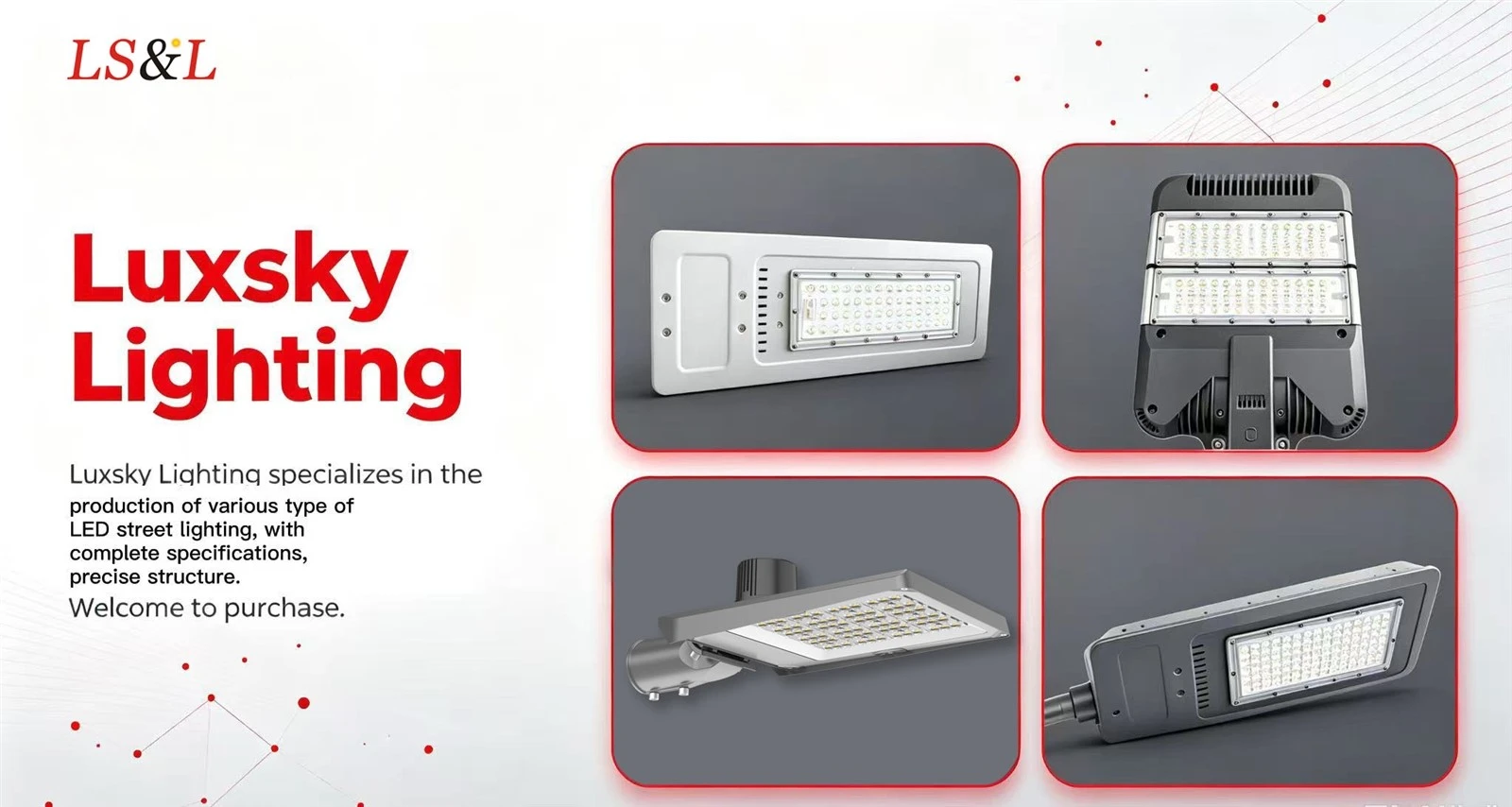
As long as luminous efficacy is high, matching is precise, and quality is solid, high-power LED street lights are fully suitable for port energy saving - and often solve both illuminance and energy-consumption issues more effectively than lower-power alternatives. The key is choosing products that have undergone strict quality control and are specifically designed for the port environment. Luxsky Lighting consistently follows Strict quality control LED engineering lighting standards. Our Smart outdoor light and roadway LED lighting series have already proven high efficacy and long-term stability in multiple port projects. If you are currently evaluating the energy-saving performance of high-power LED street lights for your port, feel free to contact us directly for a detailed proposal and measured data - let's make port lighting both brighter and more economical together.