After more than a decade in the LED street lighting export business, I get asked some version of this question almost every week by clients in Europe and North America: "Does your LED street light need a shield to prevent light pollution?" Honestly, behind this question lies real anxiety about project acceptance, environmental regulations, and the risk of resident complaints. Today, let me share some insights from years of hands-on experience in this industry.
What Exactly Is Light Pollution?
Simply put, light pollution occurs when light from a fixture spills excessively into areas that don't need illumination - shining directly into residents' windows, washing out the night sky, or creating glare that compromises driving safety. Many city projects in Europe and North America now require a Dark Sky certification or a glare-control report as part of the bidding process. This is no longer a "nice to have" - it's a hard requirement in many tenders.
Are Shielded Fixtures Effective?
The answer is yes, but they're not the only solution. A traditional shield (also called an anti-glare shield or optical shield) effectively blocks light from escaping upward and sideways, concentrating the luminous flux on the road and target area. This is critical for light-pollution-sensitive locations like residential neighborhoods and park pathways.
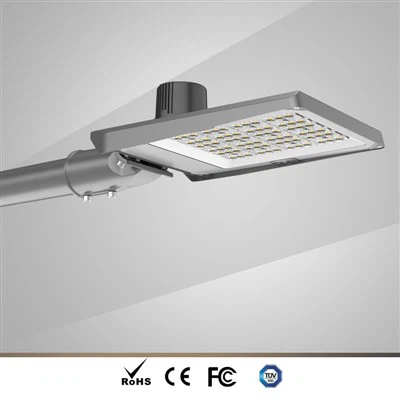
However, a shield is really more of a "fix" than a root-cause solution. What truly determines the level of light pollution is the optical design of the fixture itself. This is exactly why we place such emphasis on strict quality control in LED lighting engineering - from optical lenses and light distribution curves to housing and heat-dissipation structures, precise control at every step reduces stray light and glare at the source, rather than relying on add-on shields to patch the problem afterward.
Smart Street Lights: Solving Light Pollution at the Source
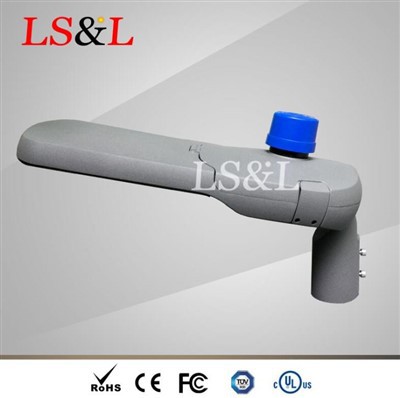
One of the most frequent terms in our inquiries these days is smart outdoor light. Smart street lights use built-in sensors and dimming systems to automatically adjust brightness based on traffic and pedestrian activity, lowering output during low-traffic late-night hours. Compared to traditional fixed-output street lights, smart dimming systems are inherently one of the most effective ways to control light pollution - while also saving energy.
International Standards for Roadway LED Lighting
Anyone who's worked on projects in the U.S., Europe, or the Middle East knows that roadway led lighting must meet different optical and environmental standards depending on the region - the IES TM-15 glare rating in the U.S., CE/ENEC certification in Europe, and the International Dark-Sky Association's (IDA) limits on Upward Light Output Ratio (ULOR). Choosing a fixture with well-designed optics and a ULOR close to zero is often more cost-effective than adding shields after the fact, and it makes passing project acceptance much easier.
In long-tail search terms, what many clients are really looking for is "how to reduce light pollution in street lighting projects" or an "anti-glare LED street light manufacturer" - a complete solution, not just a single accessory.
Luxsky Lighting: Let Quality Speak
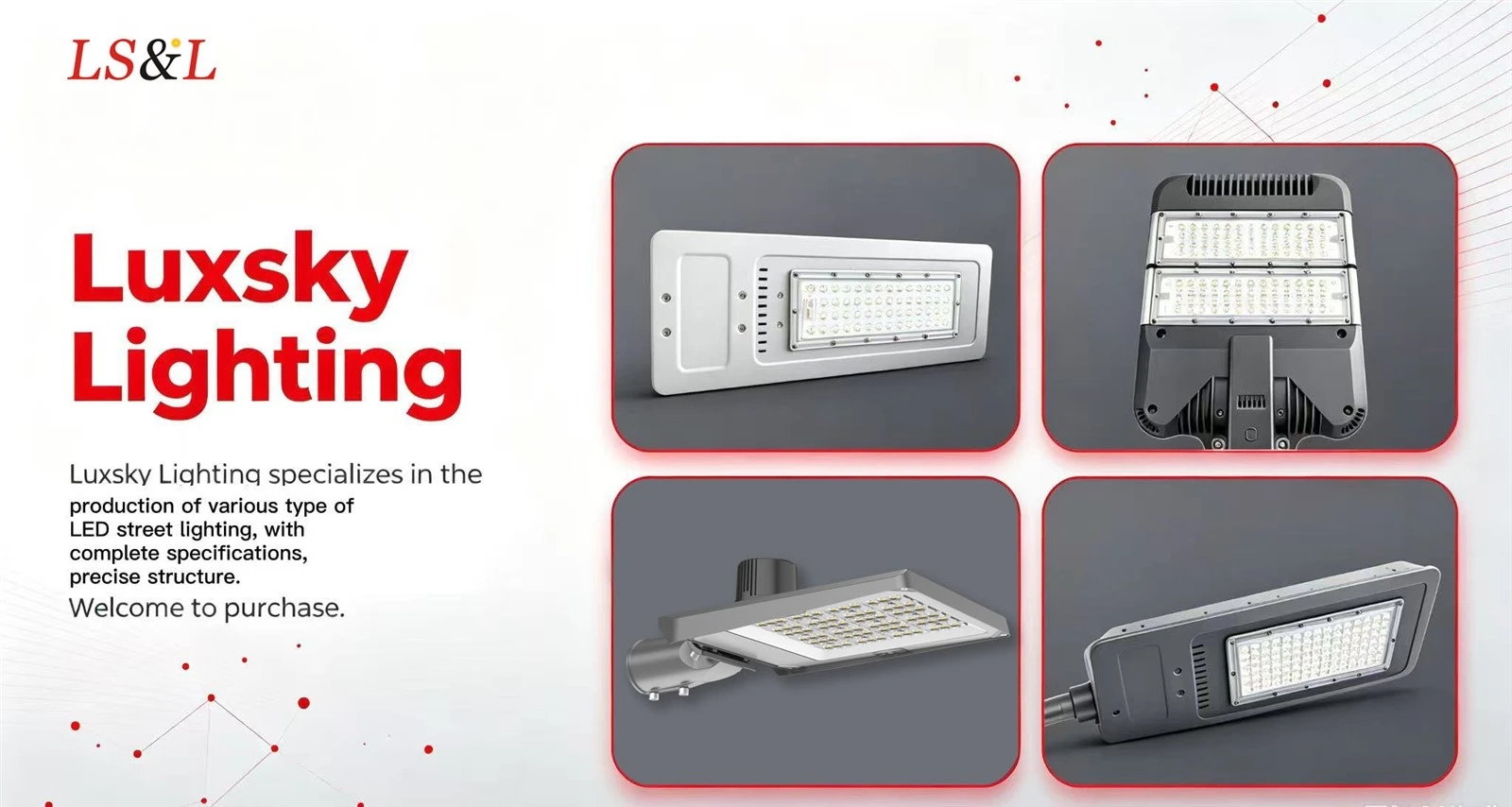
After all these years, our greatest confidence comes from strict quality control applied throughout the entire process - from R&D to shipment. Every LED street light undergoes precision optical lens design, aging tests, verified IP66 waterproof and dustproof performance, and fully traceable third-party photometric reports. Whether you need an anti-glare optical design for a residential street light or a smart outdoor light solution with dimming control for a main city road, we tailor the optical design to local regulations and Dark Sky requirements - not just bolt on a shield to "get by" at inspection.
If you're looking for a reliable roadway LED lighting supplier for your project, feel free to reach out to the Luxsky Lighting team. We can recommend an optical design and provide samples for testing based on your specific application - residential streets, main roads, parking lots, and more - helping your project pass acceptance smoothly while keeping both property owners and residents satisfied.
Conclusion
Shielded fixtures can help mitigate light pollution, but truly reliable street lighting comes down to optical design and quality control. Luxsky Lighting has spent years focused on LED street light R&D and strict quality control, delivering stable performance and fully compliant light distribution. If you have a street lighting sourcing need, contact us anytime for a quote and technical solution.