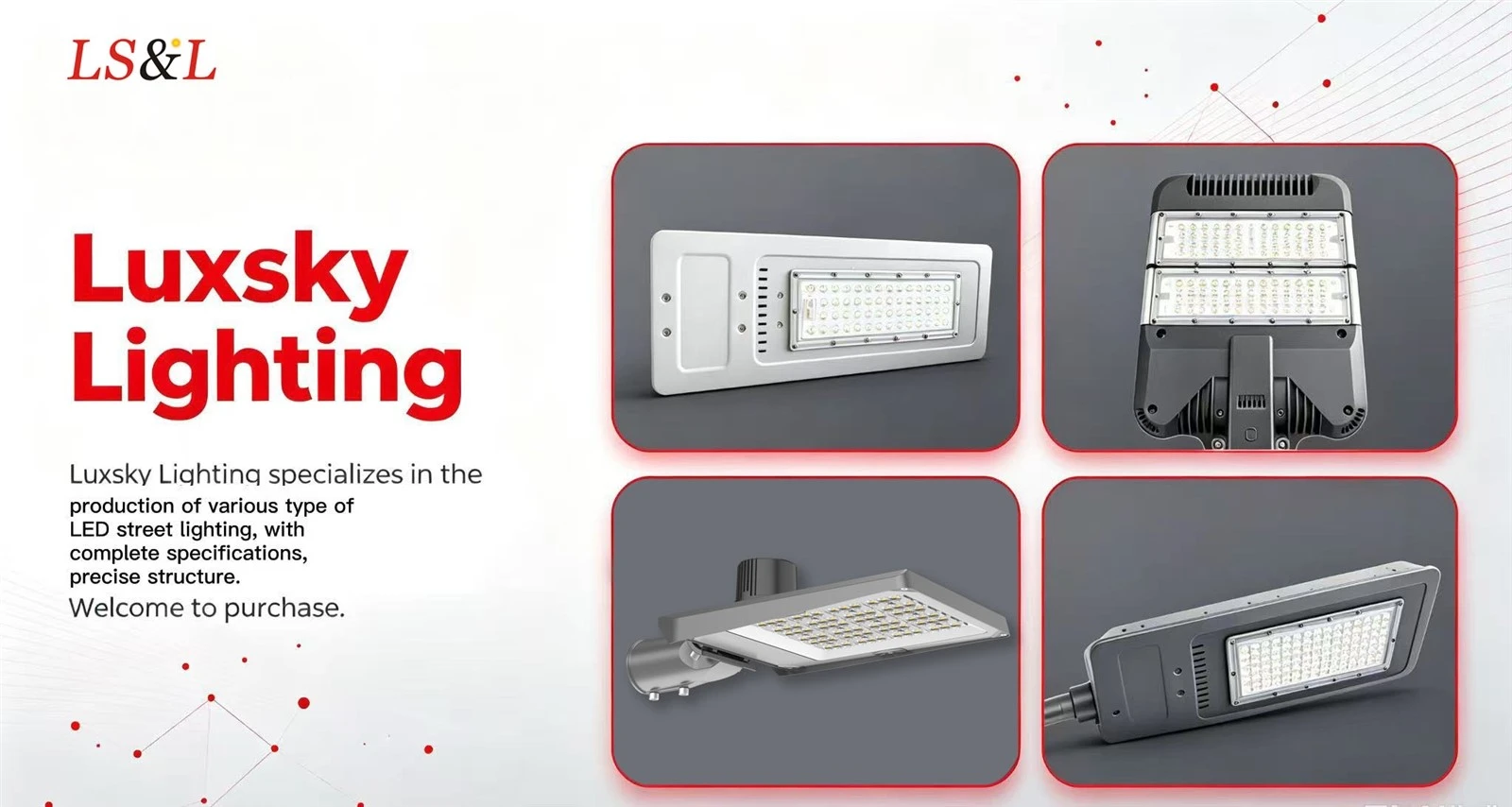
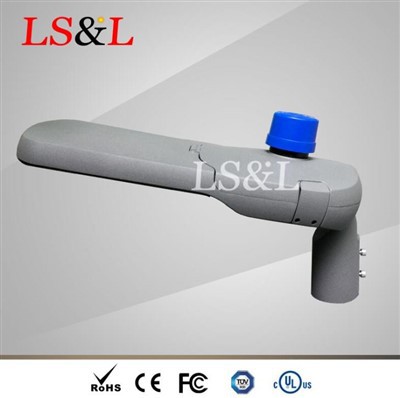
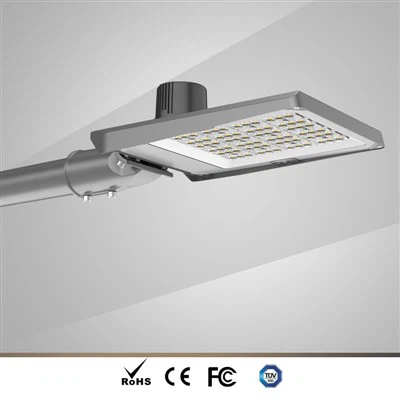
After years in the LED street lighting export business, there's one metric that shows up in almost every technical spec for major European and North American projects: UFR (Upward Flux Ratio), sometimes referred to as ULOR (Upward Light Output Ratio). Many new clients ask me the same question the first time they see this parameter: "Does this really matter? Can our street lights meet it?" Let me walk you through it with some hands-on experience from the field.
What Is Upward Flux Ratio (UFR)?
In simple terms, UFR is the percentage of a fixture's total luminous flux that scatters upward, toward the sky, relative to its total output. The lower the value, the better the fixture's optical control - and the less light is wasted illuminating the night sky instead of the road. This metric matters because it's directly tied to light pollution and energy waste: upward light doesn't illuminate the roadway, but it does contribute to sky glow, interfere with astronomical observation, and it's a key target of "dark sky friendly" policies in many cities across Europe and North America.
UFR Requirements Around the World
Different countries and certification systems set different UFR requirements:
In the U.S., IES TM-15 rates fixtures using the BUG system (Backlight-Uplight-Glare), and many municipal projects require a U0 or U1 uplight rating - the lower the better.
In parts of Europe, standards referencing CIE 150 require ULOR close to 0 for sensitive areas like residential zones and parks.
The International Dark-Sky Association (IDA) Dark Sky certification goes even further, requiring a UFR of 0% - meaning the fixture must produce no direct upward light at all.
If you're bidding on a street lighting project in Europe or North America - especially one involving residential areas, ecological reserves, or airport surroundings - failing to meet UFR requirements is essentially an automatic disqualification.
Why Do Many Street Lights Fail to Meet UFR Requirements?
Honestly, when a fixture fails to meet UFR requirements, the root cause is usually found in the details of optical design and manufacturing precision - poor housing seals that let light leak out, poorly designed lens distribution angles, or installation angles that aren't properly constrained. This is exactly why we place such heavy emphasis on strict quality control in LED engineering lighting - from lens tooling and photometric simulation to batch-by-batch photometric testing before shipment. Every step has to be tightly controlled to genuinely keep UFR within the required range, rather than relying on test reports that just barely scrape by.
How Smart Street Lights Help Control UFR
Beyond the optical structure itself, more and more projects are now adopting smart outdoor light solutions. Smart street lights combine precise light distribution design with zone-based dimming algorithms, not only strictly confining light to the target illumination area but also dynamically adjusting brightness based on actual traffic and pedestrian flow - further reducing wasted light spill and helping projects meet UFR and dark-sky compliance requirements at the source.
For roadway LED lighting projects, choosing a fixture with UFR close to zero and backed by a third-party IES photometric test report is usually far less trouble than dealing with remediation and rework later - and it makes passing acceptance from the client and local environmental authorities much smoother.
Luxsky Lighting: Quality You Can Verify, UFR Compliance You Can Trust
After all these years, what gives us the most confidence is that every LED street light we produce goes through strict quality control from R&D to shipment - UFR/ULOR data measured in an independent optical lab, fully traceable IES photometric files, and verified IP66 waterproof and dustproof performance. This ensures that every fixture we deliver genuinely meets the strict dark-sky-friendly and light-pollution-control requirements of European and North American markets.
If you're sourcing a street light supplier that meets UFR requirements with fully compliant light distribution, feel free to reach out to the Luxsky Lighting team. We can recommend an optical solution and provide third-party test reports tailored to your project's local regulations, helping your project pass review smoothly.
Conclusion
Whether UFR meets requirements directly determines whether a street lighting project passes acceptance. Luxsky Lighting has spent years focused on LED street light R&D and strict quality control, with verifiable UFR data and stable, compliant light distribution. If you have a street lighting sourcing need, contact us anytime for a quote and technical solution.