

In our previous discussions, we explored how LED flood lights enhance various outdoor spaces and deliver outstanding performance across different applications. But how can we choose the right LED flood lights that best fit our specific needs? Let's take a closer look at the key factors to consider when making your selection.
Brightness (Lumens)
Brightness is one of the most important factors when selecting LED flood lights. Measured in lumens, it determines the intensity of light produced by the fixture. For outdoor applications such as security areas, parking lots, or architectural lighting, a higher lumen output ensures sufficient illumination and visibility. The key is to match the lumen level with the specific purpose of the lighting to achieve both safety and aesthetic balance.
Color Temperature
Color temperature, measured in Kelvin (K), defines whether the light appears warm or cool. It plays a crucial role in shaping the mood and functionality of a space. Lower color temperatures (around 2700K to 3000K) produce a warm, inviting glow ideal for residential or leisure settings, while higher temperatures (4000K to 5000K) create a crisp, daylight-like effect suited for commercial or task-oriented environments. Choosing the right color temperature enhances both comfort and visual performance.
Beam Angle
The beam angle determines how widely the light spreads. A wide beam angle, such as 120 degrees, is ideal for broad area coverage, while a narrower beam angle between 30 and 60 degrees focuses light on specific objects or architectural features. Selecting the proper beam angle based on your lighting goals helps avoid glare and ensures even, efficient illumination across the intended space.
Color Rendering Index (CRI)
The Color Rendering Index (CRI) measures how accurately a light source displays colors compared to natural sunlight. A higher CRI, typically 80 or above, ensures that colors appear vivid and true to life. For professional applications like retail spaces, showrooms, or outdoor displays, high-CRI LED flood lights are essential to maintain accurate color representation and visual appeal.
Ingress Protection (IP) Rating
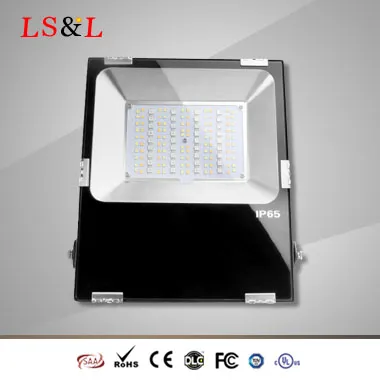
The IP rating defines a fixture's resistance to dust and moisture, which is a key consideration for outdoor environments. Choosing LED flood lights with a high IP rating, such as IP65 or above, ensures long-term durability and reliable operation in harsh conditions including rain, dust, and humidity. Fixtures with strong protection maintain consistent lighting performance and require less maintenance over time.

Energy Efficiency and Lifespan
The core strengths of LED floodlights are their excellent energy efficiency performance and long lifespan. By evaluating the lumens per watt ratio, you can accurately measure how efficiently a light source converts energy into lighting. Energy-efficient LED luminaires not only significantly reduce energy consumption and operating costs, but their extended service life also reduces maintenance and replacement frequency, creating lasting value for residential and commercial projects.
Dimming and Control Options
Modern LED flood lights often include dimming and smart control capabilities, allowing users to adjust brightness levels or automate lighting schedules. Dimmable options provide flexibility for different settings, while intelligent systems enable remote control, motion sensing, and integration with smart home or building management platforms. These advanced features enhance energy savings, convenience, and overall lighting performance.
Together, these features help ensure that your LED flood light selection delivers maximum performance, efficiency, and reliability for any application.
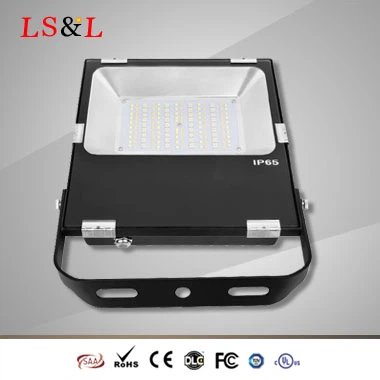
At Luxsky Lighting, we provide high-quality LED flood lights that are efficient, durable, and built to meet diverse project needs. If you are interested, please click https://www.luxsky-light.com/led-flood-light/ip65-led-flood-light/ip65-led-flood-lighting-with-rgb-and-cct.html for more details.





