

In our previous discussion, we explored the essential factors to consider when selecting LED flood lights, such as brightness, color temperature, and IP ratings. Now that we understand what defines a high-quality fixture, the next step is knowing how to choose the right LED flood light for your specific needs. Let's explore the process together.

Step 1: Define Your Lighting Goals
Begin by identifying the main purpose of your outdoor lighting. Is it intended for security, decoration, functional tasks, or a combination of these? Understanding your goals will help you make clear and consistent decisions throughout the selection process.
Step 2: Identify the Lighting Environment
Determine the specific area you plan to illuminate, such as a pathway, garden, patio, parking lot, or building façade. Each environment has its own lighting requirements, so defining the setting ensures you choose fixtures that deliver the right coverage and brightness.
Step 3: Calculate the Required Brightness (Lumens)
Brightness is measured in lumens, and the amount you need depends on the size of the area. As a general rule, aim for about 20 to 30 lumens per square foot for general lighting, and 50 to 75 lumens per square foot for security or task lighting. For example, a 100-square-foot patio used for casual gatherings would need roughly 2,000 to 3,000 lumens.
Step 4: Choose the Right Color Temperature
Select a color temperature that suits the mood and function of your space. Warm white light (around 2700K to 3000K) creates a cozy and inviting atmosphere, while cool white light (4000K to 5000K) provides a clean and energizing look. Matching the right tone to your environment helps set the desired ambiance.
Step 5: Select an Appropriate Beam Angle
The beam angle determines how widely the light spreads. A wider beam angle, such as 120 degrees, works well for covering open areas, while a narrower beam, around 30 to 60 degrees, is ideal for accenting specific features. Choosing the right angle ensures even illumination and avoids dark spots.
Step 6: Evaluate Color Rendering (CRI)
The Color Rendering Index, or CRI, measures how accurately a light source reveals colors compared to natural light. A CRI of 80 or higher is recommended for areas where color accuracy is important, such as gardens, retail displays, or building exteriors, where vivid and natural color representation enhances visual appeal.
Step 7: Consider Smart Controls and Motion Sensors
If you want added convenience and energy savings, consider LED flood lights with motion sensors or smart controls. These features automatically adjust brightness based on movement or schedule, improving both security and efficiency.
Step 8: Check the IP Rating
For outdoor use, ensure your LED flood light has an IP rating of at least IP65. This rating means the fixture is well protected against dust and water, ensuring reliable performance even in harsh weather conditions.
Step 9: Review Energy Efficiency and Lifespan
Look for flood lights with a high lumens-per-watt ratio, which indicates better energy efficiency. Long-lasting LEDs also reduce maintenance and replacement costs, making them a practical choice for both residential and commercial applications.
Step 10: Plan Your Budget and Installation
Finally, set a reasonable budget that includes both the lighting fixtures and installation costs. For larger projects or when electrical work is required, hiring a professional installer helps ensure safety and optimal performance.
Now that you've learned the key steps to choosing the right LED flood light, it's time to explore a reliable option that meets all these standards. At Luxsky Lighting, we provide high-quality LED flood lights that are efficient, durable, and built to meet diverse project needs.
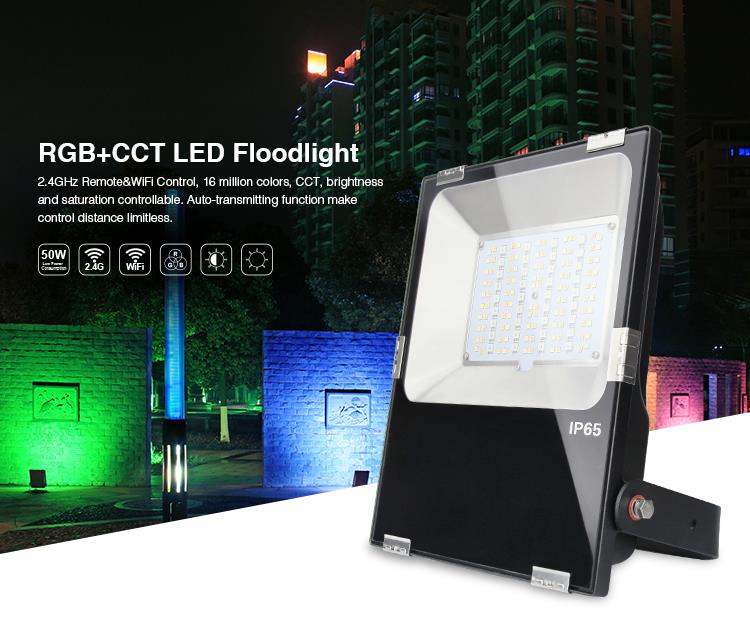
If you are interested, please click https://www.luxsky-light.com/led-flood-light/ip65-led-flood-light/ip65-led-flood-lighting-with-rgb-and-cct.html for more details.





