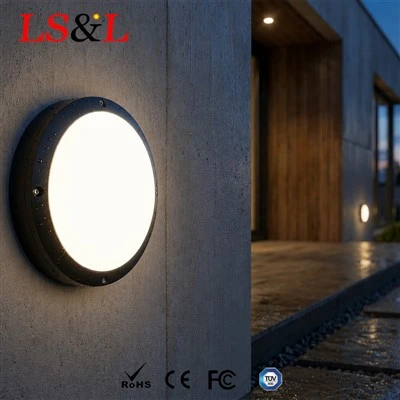
After more than a decade in lighting exports, factory clients often ask whether bulkheads can really cut electricity use. Main hall lighting draws a lot, but routes, stairs, and service rooms burn long hours and add up. Here is how LED bulkheads help factories lower energy costs, based on field experience.
Replace Inefficient Older Sources with High-Efficacy LEDs
Older fluorescent bulkheads are low in lm/W and depreciate quickly, so wattage is often kept high just to stay bright enough. A high-efficacy LED can deliver the same or better visibility at lower power.
When an LED bulkhead lamp is used on long-burning routes, compare lumens per watt before unit price-the annual energy gap is clear.
Size Power to Need; Avoid Over-Lighting
Route lighting should make floors and signs readable-not as bright as possible. Choose moderate power for height and spacing, and avoid adding watts "for safety" on every run.
When a round bulkhead light is spaced evenly, sensible spacing saves more energy than oversized single-lamp power, and it usually draws fewer glare complaints.
Use Controls to Cut Empty-Hour Load
Some links and storage support routes have little night traffic. Where codes allow, sensors or scheduled control can avoid full output all night.
Safety routes and emergency requirements come first; control strategies must not undercut required light levels.
Fewer Failures and Less Depreciation Mean Fewer Extra Lamps
When fittings fail or depreciate quickly, sites sometimes add lamps or raise power to compensate-and the bill goes up. Stable drivers and protection matched to the environment hold brightness longer and reduce "add light to fix light."
Use efficient products on outdoor door zones too, so long-burning exterior points are not hidden energy loads. An LED bulkhead is numerous in path and support lighting; when efficacy rises, the whole plant feels it.
Energy Points for Factory Bulkheads
- High-efficacy replacement of fluorescent and other weak sources
- Power and spacing matched to real need
- Sensors or schedules on low-traffic runs where allowed
- Reliable products to limit depreciation and extra lamps
- Include route bulkheads in energy metering and retrofit priority
LED bulkheads lower factory energy cost through higher efficacy, right-sized power and control, and less compensatory over-lighting. Path and support points are small individually, but counts are high and burn hours are long-so the savings are real.
From years of working with factory and export clients, I know energy cuts are not only about the main hall budget. When route bulkheads are specified correctly, the bill moves as well.

If you are planning plant lighting energy reductions, share route lamp types and daily operating hours. I can help identify which bulkhead light fits better and outline savings directions you can implement.