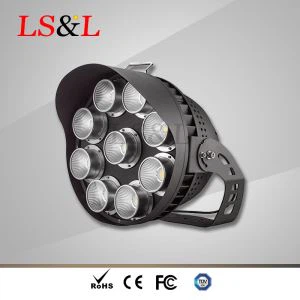
I've spent over a decade in the street lighting export trade, and port clients are particularly sharp at running the numbers. Ports cover huge areas, use huge numbers of fixtures, and light up nearly year-round, making electricity a long-term major expense. A lot of clients open with the same question: "How much electricity will we actually save by switching to LED, and how soon do we break even?" Let me use my years of experience to lay out the main paths for cutting port lighting electricity costs.
Path 1: Replace Conventional Fixtures With High-Efficacy LEDs
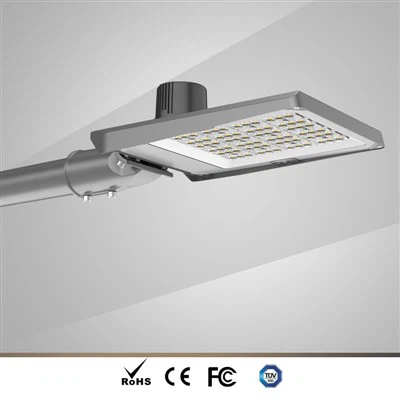
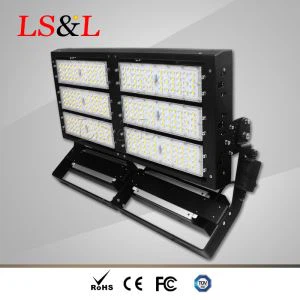
Port lighting traditionally relies on high-pressure sodium and metal halide lamps, especially for high mast lights, where 1000W or larger fixtures are common. LEDs' higher efficacy often cuts the power needed to hit the same illuminance by more than half. Replace a 1000W conventional high mast fixture with a noticeably lower-wattage LED fixture, and per-fixture consumption drops sharply - across the large number of fixtures in a port, the cumulative savings are considerable. When choosing a roadway LED lighting product, luminous efficacy (lm/W) is the key metric: the higher it is, the less power it takes to produce the same brightness.
Path 2: Smart Dimming - Deliver Light According to Operational Need
Port operations follow clear time patterns: busy periods for vessel berthing and container handling need high brightness, while quiet overnight periods don't need full power. With a Smart outdoor light control system, different brightness levels can be set by time period and by zone, and can even adjust automatically with motion sensing. Conventional lamps can't do this - they're either fully on or fully off - whereas LEDs' fast response and stepless dimming make "lighting on demand" possible, and the energy savings from this are often very noticeable.
Path 3: Zone Control - Don't Light Areas That Don't Need It
Yards, roads, warehouse areas, and office areas all run on different rhythms. Through zoned circuit design, work areas can stay at standard illuminance while idle areas drop to lower brightness or partially switch off, avoiding a "one-size-fits-all" full-on approach across the whole site. This needs to be planned in the circuit layout during design, then managed flexibly with the smart system afterward.
Path 4: Optimize Power Factor to Avoid Extra Penalties
As we've discussed regarding power factor, many regions' utilities charge power factor penalty fees to low-PF users, and for a large-area port project, that cost is not trivial. Choosing a driver with a stable PF of 0.95 or above avoids this extra expense - a detail often overlooked under a strict quality control LED engineering lighting program, yet one that directly affects electricity cost.
Path 5: Cut Maintenance Costs - the "Hidden Electricity Bill"
Maintenance costs for port high mast lights are high: every fixture replacement involves lifting equipment and labor, and sometimes coordination to work around operations. LED fixtures with long lifespans and low failure rates significantly reduce replacement frequency. Add maintenance and electricity costs together, and LED's overall advantage looks even clearer. But this relies on genuinely solid fixture quality - otherwise lifespan shrinks, and the savings get eaten up by frequent repairs.
Path 6: Combine With Photocells and Scenario Management
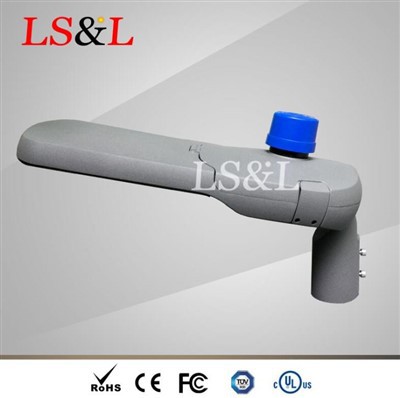
Pairing with photocell switches that turn lights on and off based on ambient light prevents lights from staying on during the day by mistake; in certain areas, combining with solar or energy storage systems can further reduce dependence on the grid. These measures can be mixed and matched flexibly depending on project conditions.
How to Estimate Payback Period
You can roughly calculate the payback period like this: divide the incremental investment for fixtures and retrofit by the annual savings in electricity plus maintenance. The exact figures depend on electricity price, the type of existing fixtures, operating hours, and dimming strategy - it's best to run a detailed energy consumption estimate early in the project, going by data rather than impressions.
How We Help Clients Save on Electricity
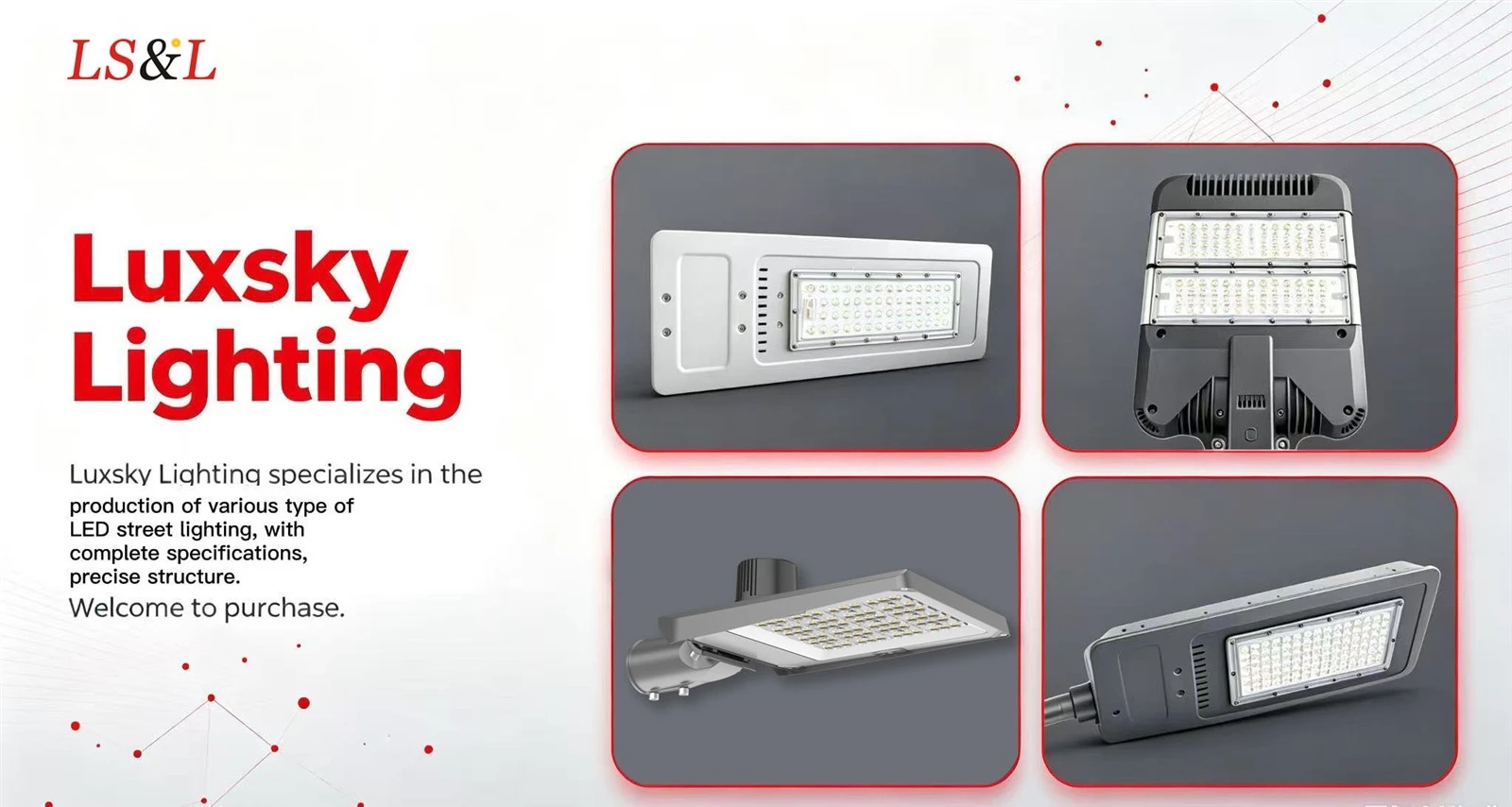
At Luxsky Lighting, we hold to strict quality control LED engineering lighting standards, offering high-efficacy fixtures, drivers with stable PF, and smart dimming solutions, and based on clients' existing fixtures and power consumption data, we can provide energy-saving estimates to work out exactly how much they'll save and how many years until payback.
Conclusion
Cutting port lighting electricity costs comes from the combination of high-efficacy fixtures, smart dimming, zone control, and low maintenance costs - with fixture quality determining whether the energy savings hold up over the long term. Luxsky Lighting has focused on LED street light engineering for years, holding to strict quality control to deliver dependable roadway LED lighting solutions to clients worldwide. If you're evaluating a port lighting retrofit, reach out to us for an energy-saving estimate and a quote.