After years in the lighting export trade, I've worked on projects across all kinds of climates and environments - coastal sites, industrial zones, areas near chemical plants, and tropical Southeast Asian regions with year-round high humidity and rainfall. Before almost every quotation, clients ask the same question: "How good is your fixture's corrosion resistance, really?" Let's dig into this systematically today.
Corrosion Is More Than Just "Rust"
When people hear "corrosion resistance," their first thought is usually rust prevention. But the actual causes of corrosion are far more complex than that: coastal regions deal with salt spray corrosion, industrial zones and areas near chemical plants face acidic gas corrosion, tropical rainforest climates accelerate oxidation through high heat and humidity, and even the chloride salts in winter de-icing agents used up north are highly corrosive. Different corrosion sources call for entirely different requirements when it comes to fixture materials and surface treatment processes.
For roadway LED lighting, fixtures are installed outdoors year-round with no shelter from these corrosive environments. If corrosion resistance doesn't measure up, at best you get oxidized, whitened housings and rusted hardware; at worst, seal failure lets water into the internal circuitry, directly compromising both service life and safety.
Key Factors That Determine a Fixture's Corrosion Resistance
Housing material itself - Die-cast aluminum alloy naturally offers better oxidation resistance than standard stamped steel, which is why mid-to-high-end street lights commonly use die-cast aluminum housings.
Surface treatment process - Anodizing, electrostatic powder coating, and fluorocarbon paint each provide different levels of corrosion resistance, and industrial-grade projects typically require a higher grade of surface treatment.
Hardware and seal material selection - Small components like screws, clips, and gaskets are often where problems show up first if made from ordinary carbon steel or low-quality rubber - a detail many buyers overlook.
Whether testing and validation are genuinely done - A truly reliable product needs to pass a series of validations including salt spray testing and damp heat cycling tests. This is an essential part of any real Strict quality control LED engineering lighting system, not something a factory can claim with a vague "corrosion-resistant" label.
How to Choose Based on Different Environments
For coastal or island projects, focus on salt spray test duration and housing sealing rating. For industrial zones or areas near chemical plants, pay extra attention to surface treatments designed to resist acidic gas corrosion. For high-humidity, high-heat regions like Southeast Asia or South America, corrosion resistance needs to be paired with proper thermal design to prevent heat from accelerating material aging. When selecting a fixture, it's best to share your project's local climate and pollution sources with the supplier so the engineering team can give a targeted recommendation, rather than applying a one-size-fits-all solution across every project.
Corrosion Resistance Matters for Smart Street Lights Too
Many buyers shopping for a Smart outdoor light solution tend to get drawn in by dimming and remote control features, overlooking basic corrosion resistance. Honestly, no matter how smart the control system is, if the housing rusts through within two years and the seal fails, letting water in, the smart module itself will fail right along with it. That math never works out, which is why corrosion resistance is fundamental homework that can't be skipped during selection.
How We Handle This
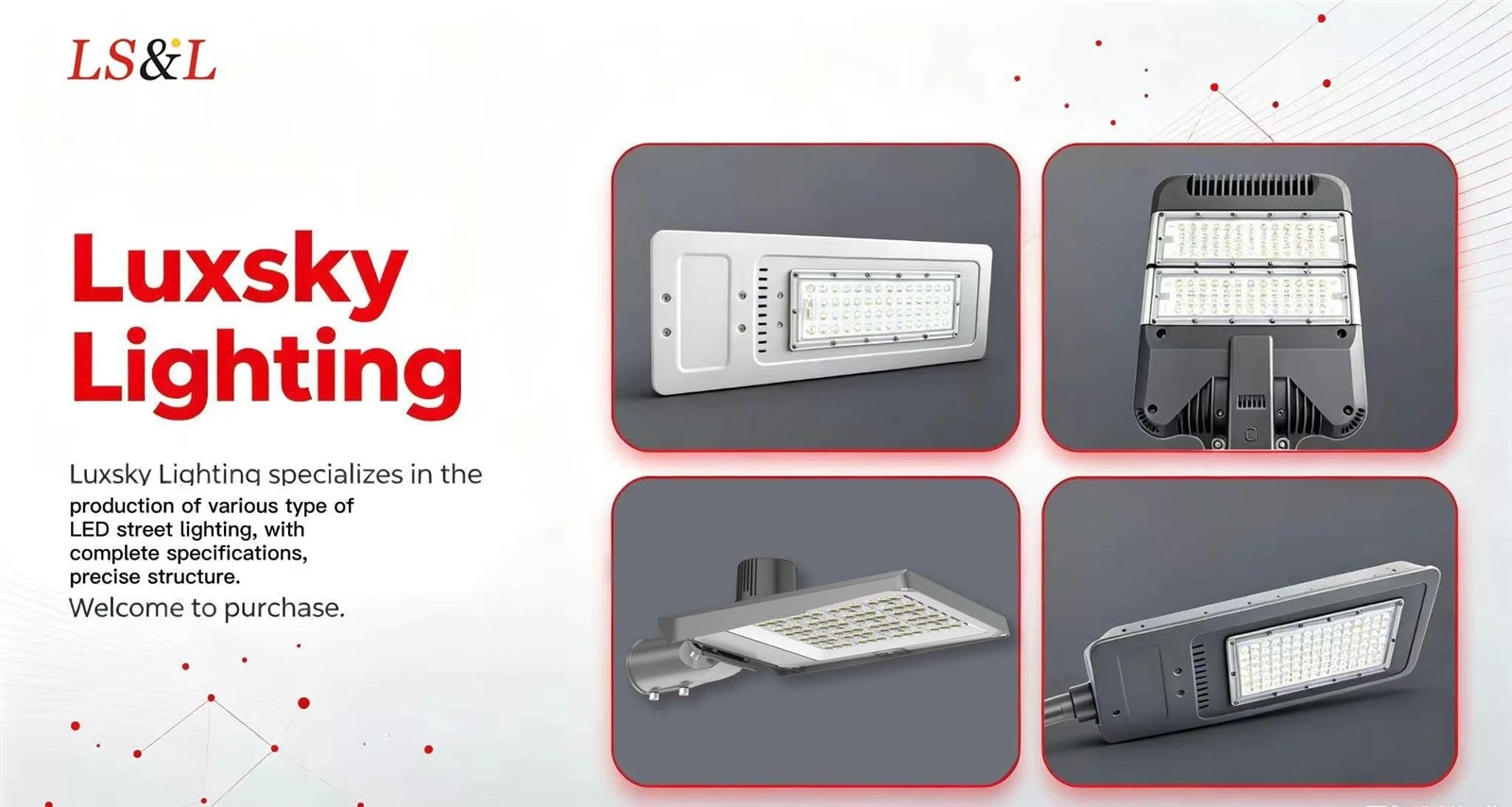
All of Luxsky Lighting's roadway LED lighting products use die-cast aluminum alloy housings, matched with anodizing or fluorocarbon coating depending on the project's local climate, and all hardware is made from stainless steel. Every batch goes through salt spray testing and sealing verification before shipment. Our Smart outdoor light series holds to the same standard, ensuring smart functionality and core corrosion resistance are equally solid.
If you're not sure which anti-corrosion solution fits your project's location, feel free to send us your local climate and environmental details - our engineering team can analyze it and recommend the right fit at no cost.
Conclusion
Corrosion resistance is fundamental to whether a street light can run reliably over the long term, and it's not something a verbal promise can guarantee. Luxsky Lighting stands behind Strict quality control and LED engineering lighting standards, with rigorous control from material selection through surface treatment to final testing. If you're sourcing a durable, reliable LED street lighting supplier for your project, reach out to us for test reports and a quote - let's make your selection an easy one.