After years in the lighting export trade, beyond the usual questions about temperature and corrosion, one topic that's come up more and more in recent years is: "How's your street light's vibration resistance? Highway projects deal with heavy wind-induced vibration - will it work loose or crack over time?" Let's take a systematic look at vibration resistance today.
Vibration Resistance Isn't Just About Earthquakes
When people hear "vibration resistance," their first thought is usually earthquake resistance. But for street lights, the more common day-to-day challenges are wind-induced vibration and vibration from passing vehicle traffic. Highways, sea-crossing bridges, and mountain road curves all experience sustained wind vibration and roadway vibration over time. If a fixture's structural design isn't sound, it's not uncommon to see loosened screws, cracked lenses, loose internal wiring, or even fixtures detaching entirely after enough time in service. That's exactly why many roadway LED lighting tender documents now list vibration resistance ratings and wind vibration test requirements as separate line items.
Core Factors That Determine Vibration Resistance
Structural design - Whether the center of gravity is well-balanced and whether reinforcement ribs are built into the connection between the fixture body and the arm directly determines how stable it remains under continuous vibration. A top-heavy design tends to show a noticeably higher failure rate under sustained wind vibration.
Fasteners and anti-loosening measures - Standard screws tend to work loose under continuous vibration. A reliable approach uses anti-loosening screws, spring washers, or even thread-locking adhesive. These details might seem minor, but they're exactly the kind of thing that must be checked item by item under a real Strict quality control LED engineering lighting system.
How internal components are secured - If the driver and terminal blocks are only held in place with simple clips, they're prone to loosening or making poor contact under sustained vibration, causing the fixture to flicker intermittently or fail entirely. A genuinely reliable product uses a combination of mounting brackets and cable ties to secure everything properly.
Third-party vibration testing - Real vibration resistance needs to be verified on a simulated vibration test bench, repeatedly tested for hundreds or even thousands of hours based on real-world wind speeds and traffic-induced vibration frequencies - not something a factory can claim just by saying the "structure is solid."
What to Focus On for Different Project Scenarios
For highway and sea-crossing bridge projects, focus on structural test reports covering sustained high-frequency wind vibration. For mountainous or hilly terrain projects, wind resistance rating matters alongside vibration resistance, to prevent arm bending or detachment during high-wind conditions. For urban main roads and commercial district projects, vibration intensity is relatively lower, but the anti-loosening performance of fasteners over long-term use still shouldn't be overlooked. It's best to share your project's local wind speed, traffic volume, and road type with your supplier so the engineering team can give a targeted structural recommendation.
Vibration Resistance Matters for Smart Street Lights Too
Many buyers shopping for a Smart outdoor light solution tend to focus on features like dimming and remote monitoring, easily overlooking the fixture's underlying structural strength and vibration resistance. Honestly, no matter how smart the control system is, if vibration causes internal wiring to loosen and leads to frequent false alarms, dropped connections, or outright failure, the real-world value of those smart features drops right along with it - definitely something to weigh carefully during selection.
How We Handle This
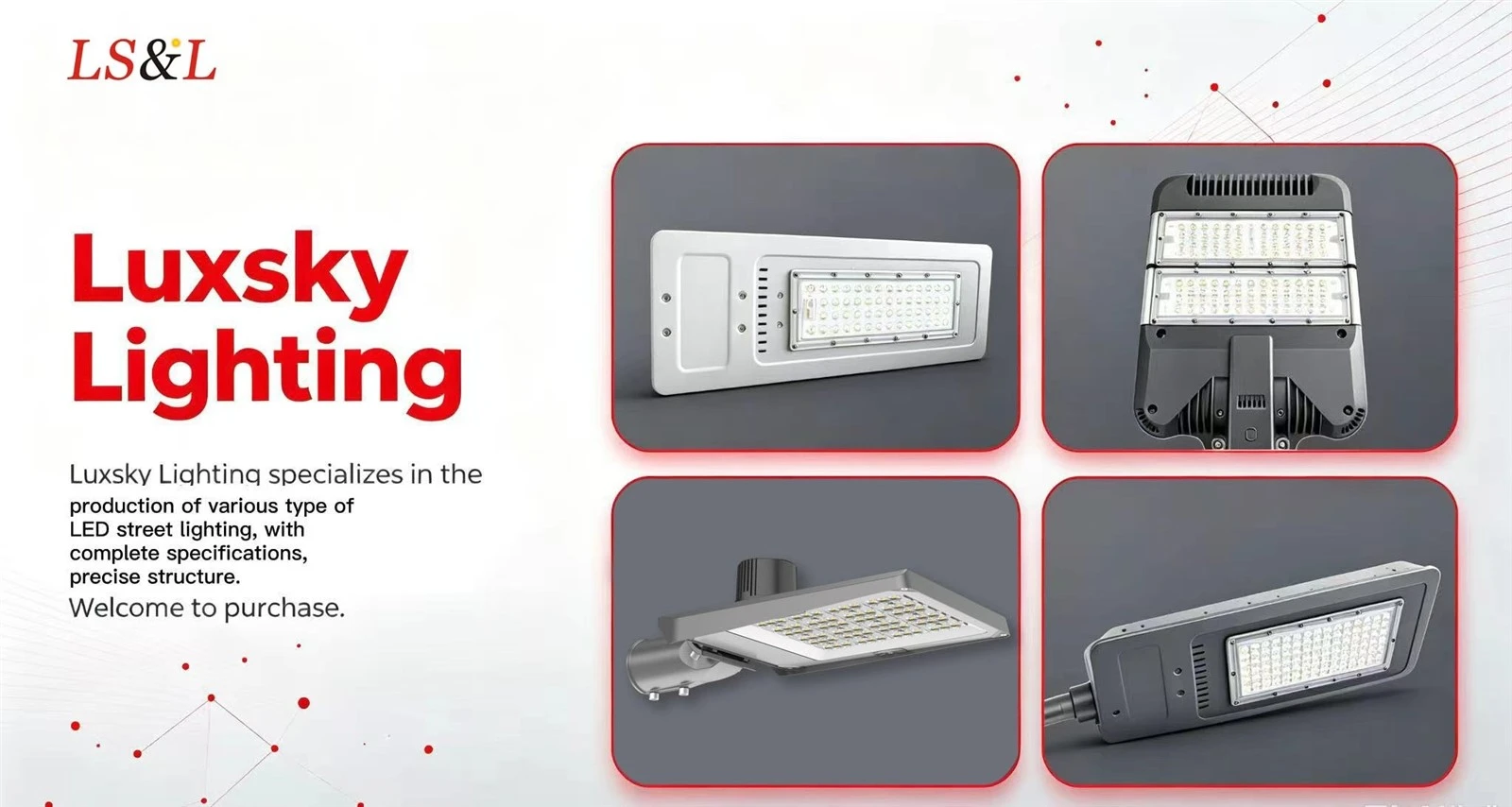
All of Luxsky Lighting's roadway LED lighting products are designed from the start with wind-induced vibration and vehicle traffic vibration in mind. Fixture bodies use reinforced rib structures, all fasteners use anti-loosening screws with spring washers, and internal circuit boards are secured with a combination of mounting brackets and cable ties. Every batch goes through simulated vibration testing before shipment. Our Smart outdoor light series holds to the same standard, ensuring smart functionality remains stable even under sustained vibration.
If you're not sure what vibration and wind resistance requirements fit your project's location, feel free to send us your local wind speed and road type information - our engineering team can analyze it and recommend the right structural solution at no cost.
Conclusion
Vibration resistance is fundamental to whether a street light can perform reliably under sustained vibration over the long term, and a good-looking structure alone doesn't guarantee it. Luxsky Lighting stands behind Strict quality control LED engineering lighting standards, with rigorous control from structural design through fastening technique to final vibration testing. If you're sourcing a reliable LED street lighting supplier for a highway, bridge, or challenging road-condition project, reach out to us for test reports and a quote - let's make your selection an easy one.