I've been in foreign trade for over a decade, and I've seen this change play out more times than I can count. When an industrial park switches from traditional sodium lamps to quality LED street lights, the difference isn't just about brighter roads-the whole place starts to feel different.
Most older parks still rely on high-pressure sodium lights. They're power-hungry, the light is yellowish and uneven, and once you move a bit farther away, visibility drops fast. In parks with heavy truck traffic at night, that kind of lighting creates real safety risks. Maintenance is another headache: lamps burn out often, technicians have to work at height, and the whole process usually means disrupting operations. Over time the park just looks tired, poorly maintained, and unsafe after dark. That doesn't help with attracting new tenants or keeping existing staff happy during night shifts.
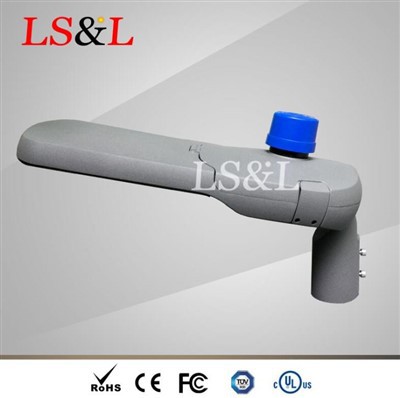
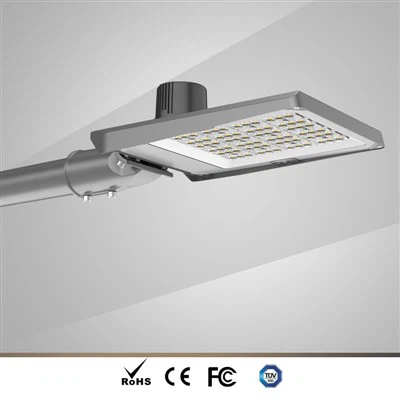
Once proper LED street lights go in, the first thing people notice is the quality of light. Good LED fixtures deliver 120–150 lm/W, which routinely cuts electricity use by 40–60% compared with the old sodium systems. The light is closer to natural daylight, color rendering is much better, and the road surface, signs, and vehicles become clearly visible. We did a project for an electronics manufacturing park in Southeast Asia a few years back. After the upgrade, night-time logistics moved more smoothly, and the security team reported fewer complaints about dark spots. The park manager told me staff no longer avoided certain routes after sunset.
Safety improves in practical ways. Industrial parks often mix trucks, forklifts, and pedestrians after dark. LED systems can include smart dimming that adjusts brightness according to actual traffic. Some models use motion sensors so lights brighten when people or vehicles approach and ease back when the area is empty. That saves more energy and cuts light pollution-an issue that used to get ignored but now draws complaints if the park borders residential or ecological zones. Because LEDs can be aimed more precisely and produce less glare, the spill light is easier to control.
Maintenance costs drop sharply as well. Traditional lamps have short lifespans; the annual bill for replacements, labor, and vehicles adds up. Quality LED street lights typically last 50,000–80,000 hours-often eight to ten years in real conditions. One of our clients running an equipment manufacturing park in China hasn't touched most of the fixtures in three years beyond occasional cleaning. The finance team calculated that maintenance alone paid for a large part of the investment. Add the electricity savings and the payback period is usually two to three years. After that, it's pure gain.
The overall look of the park changes too. Evenly lit roads, entrances, and parking areas give a cleaner, more modern impression at night. Larger sites often add remote monitoring so the management team knows immediately if a fixture fails instead of waiting for a patrol to spot it. We've noticed that industrial parks in the Middle East and Latin America now rarely accept traditional lighting proposals in their tenders; LED plus basic smart control has become the baseline expectation.
There's also an environmental angle that matters more every year. LEDs contain no mercury, so end-of-life handling is simpler. Higher efficiency means less electricity generation and therefore lower carbon emissions. Parks working toward green factory certification or ESG reporting find the switch a straightforward way to improve their numbers. We've had clients use the energy-saving data when applying for local subsidies or green financing.
Of course, not every LED product delivers these results. Heat dissipation, driver quality, IP rating, and resistance to dust or corrosive atmospheres all matter in an industrial setting. Cheap fixtures that fail within a year are something we've seen too often. Choosing the right supplier, checking the real specifications, and making sure installation and after-sales support are solid makes the difference between a successful upgrade and a costly headache.
If you're responsible for lighting at an industrial park or you're helping overseas clients evaluate a retrofit, start with the numbers: current electricity costs, failure rates, and any night-time safety incidents. Once those figures are on the table, the case for LED becomes very clear.
Need concrete product data, project references, or a rough payback calculation? Just reach out. After years of helping clients avoid the common pitfalls, I'm happy to walk through what actually works.