

When upgrading cold-storage lighting to LED, the first question is usually how long it will take to pay back the investment. A clear ROI calculation makes the decision more solid and easier to discuss with management. Cold stores also gain indirect savings on the refrigeration side, which can be included in the estimate. Here's a practical way to break down the steps.
1. Establish the current annual lighting cost
Record the number of fixtures, their wattage, daily operating hours and electricity price to obtain the annual energy cost. Add the yearly cost of lamp replacements and labour. The sum is the total annual cost of the existing system.
2. Estimate the annual cost of the LED solution
New LEDs typically draw far less power. Apply the same method to calculate the new annual energy cost; maintenance expenses will also fall.
Choosing tri proof lights suited to low temperatures keeps both energy use and upkeep more predictable over the long term.
3. Include indirect savings on the refrigeration side
LEDs release less heat, so the cooling system works less hard. Precise calculation needs more data, but a portion of the lighting power reduction can be used to estimate extra savings on refrigeration electricity. This effect is usually more noticeable in cold stores than in ordinary buildings.
4. Determine the initial investment
Include fixture purchase, installation labour and any necessary accessories.
When a robust LED tri proof lamp is used along aisles, installation cost is relatively straightforward to estimate and should be added to the total.
5. Calculate the simple payback period
Payback (years) ≈ initial investment ÷ total annual saving.
Total annual saving = lighting energy saving + maintenance saving + estimated refrigeration saving. Most cold-store LED projects fall between one and three years, depending on the efficiency of the old system, electricity price and operating hours.
6. Factor in longer-term effects
Slower lumen depreciation and fewer failures mean less need for extra lamps and less disruption.
A well-protected weatherproof LED light maintains more stable output in condensing conditions and helps actual returns stay closer to the forecast.
Use real operating data rather than brochure ideals. Stores with long running hours, higher electricity prices and inefficient existing lights usually see faster returns.
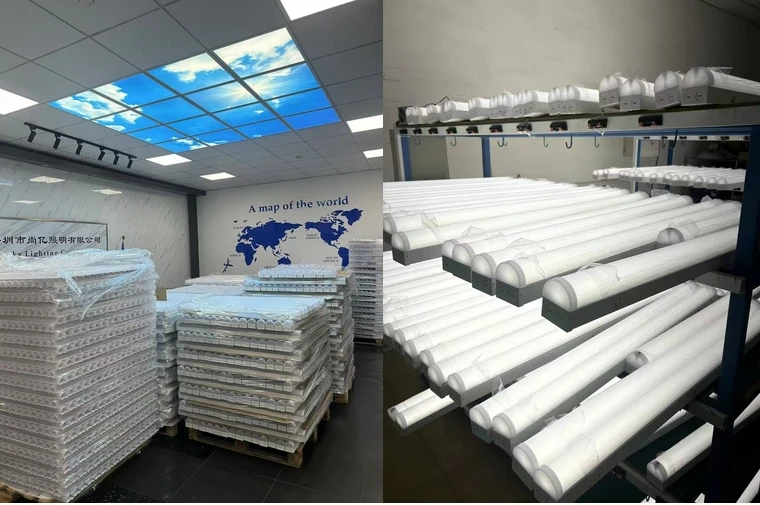
If you are evaluating an LED upgrade for a cold store, share the current fixture wattages, quantities, daily operating hours and approximate electricity price. I can help run a rough saving and payback estimate. Clear numbers make it much easier to move the project forward.





