Port roads used by heavy vehicles form the main artery of terminal traffic. Terminal trucks, semi-trailers, and heavy-duty trailers are heavily loaded, long in body, and have long braking distances. Any shortage of light or glare at night directly lengthens driver reaction time and increases the risk of collisions. As a seasoned foreign trade professional with more than a decade of hands-on experience, I have seen too many ports suffer safety hazards caused by poorly designed lighting on these roads. Today, based on real project experience, I will discuss how to scientifically design LED lighting for port roads used by heavy vehicles, and the critical role high-quality roadway LED lighting plays in this process.
Core Points of Lighting Design for Heavy-Vehicle Roads
Heavy-vehicle roads differ from ordinary roads and require longer visibility distances and higher illuminance uniformity. Based on the overseas port projects we have supported, main roads are recommended to maintain an average illuminance of 30–50 lux, with appropriately higher levels at intersections, turning zones, and loading buffer areas. Uniformity should be no lower than 0.4, and glare must be strictly controlled to avoid visual fatigue for drivers.
High-quality roadway LED lighting, through precise optical distribution, creates uniform rectangular light patterns on the roadway surface, reducing shadows and glare. An appropriate color temperature (typically 4000K) combined with a high color rendering index allows drivers to clearly identify markings, obstacles, and personnel from a greater distance, improving nighttime driving safety at the root.
Strict Quality Control: LED Engineering Lighting Is the Foundation for Successful Design
Port environments feature heavy salt spray, high humidity, and strong vibration. Heavy vehicles pass frequently, so fixtures must withstand long-term harsh conditions. Truly workable designs must rely on strict, quality-controlled LED engineering lighting. From chip selection and drivers to heat dissipation structures, IP66 or higher protection, and anti-salt-spray coatings, every stage requires rigorous engineering-grade quality control to ensure controlled lumen depreciation and low failure rates under tough environments.
In our actual foreign trade deliveries, we have found that engineering-grade LED street lights subjected to strict quality control achieve average lifespans of 50,000 hours or more, with far lower lumen depreciation than ordinary products. This means illuminance can be maintained at design standards over the long term, avoiding the dangerous situation where "the lights are still on, but the road is no longer clearly visible." For heavy-vehicle roads, stable illuminance directly affects braking distance and reaction time-it is the prerequisite for a successful design.
Smart Outdoor Light Makes the Design More Intelligent and Efficient
Simply meeting illuminance numbers is no longer enough. Smart outdoor light uses photocells, time controls, remote monitoring, and even integration with port management systems to automatically adjust brightness according to actual traffic volume. Illuminance rises during peak periods and is moderately reduced during quieter hours, ensuring safety for heavy vehicles while avoiding energy waste.
Even more important is real-time fault warning. When a fixture develops an abnormality, the system can immediately push location information so maintenance teams respond quickly, preventing local dark zones from forming. For 24-hour port roads used by heavy vehicles, this intelligent management greatly reduces the risk of accidents caused by lighting failure and makes the overall lighting design far more maintainable.
Practical Value from Comprehensive Design
After adopting high-quality roadway LED lighting, port roads used by heavy vehicles gain improvements across multiple dimensions:
- Uniform illuminance and low-glare design shorten driver reaction time
- High color rendering index helps accurately identify markings, obstacles, and personnel
- Instant start-up and robust protection adapt to salt spray, humidity, and vibration
- Intelligent dimming and remote monitoring shrink inspection blind spots and response times
- Long lifespan and low failure rate ensure continuous reliable lighting and minimize downtime risks
These advantages are not theoretical. Feedback from multiple overseas port road projects we have supported shows that after upgrading to engineering-grade LED street lights, nighttime safety-related incidents dropped noticeably, while maintenance costs and energy consumption were also effectively controlled.
Conclusion
There is no room for compromise when it comes to lighting design for port roads used by heavy vehicles. Fixture quality directly affects the safety of personnel and equipment. Only roadway LED lighting that adheres to Strict quality control LED engineering lighting standards and incorporates Smart outdoor light functionality can truly deliver stable, accurate, and long-lasting illumination.
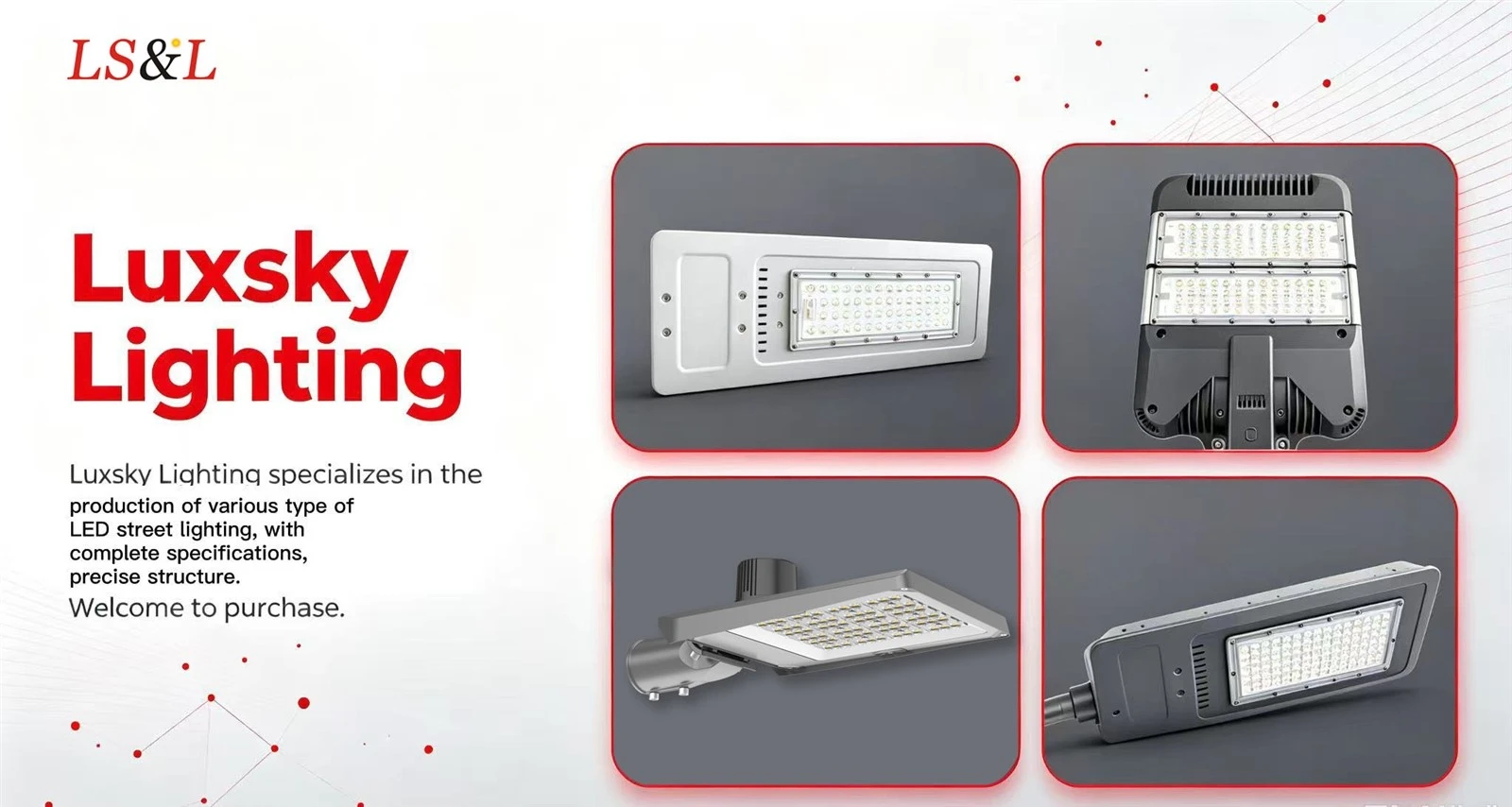
Luxsky Lighting has specialized in engineering-grade LED street lights for many years. Our products are strictly designed for ports and other demanding roadway environments, offering stable quality and reliable delivery. If you are currently designing or selecting lighting for port roads used by heavy vehicles, feel free to contact us directly for tailored solutions and sample support. Choosing the right lights is one more layer of insurance for nighttime safety.