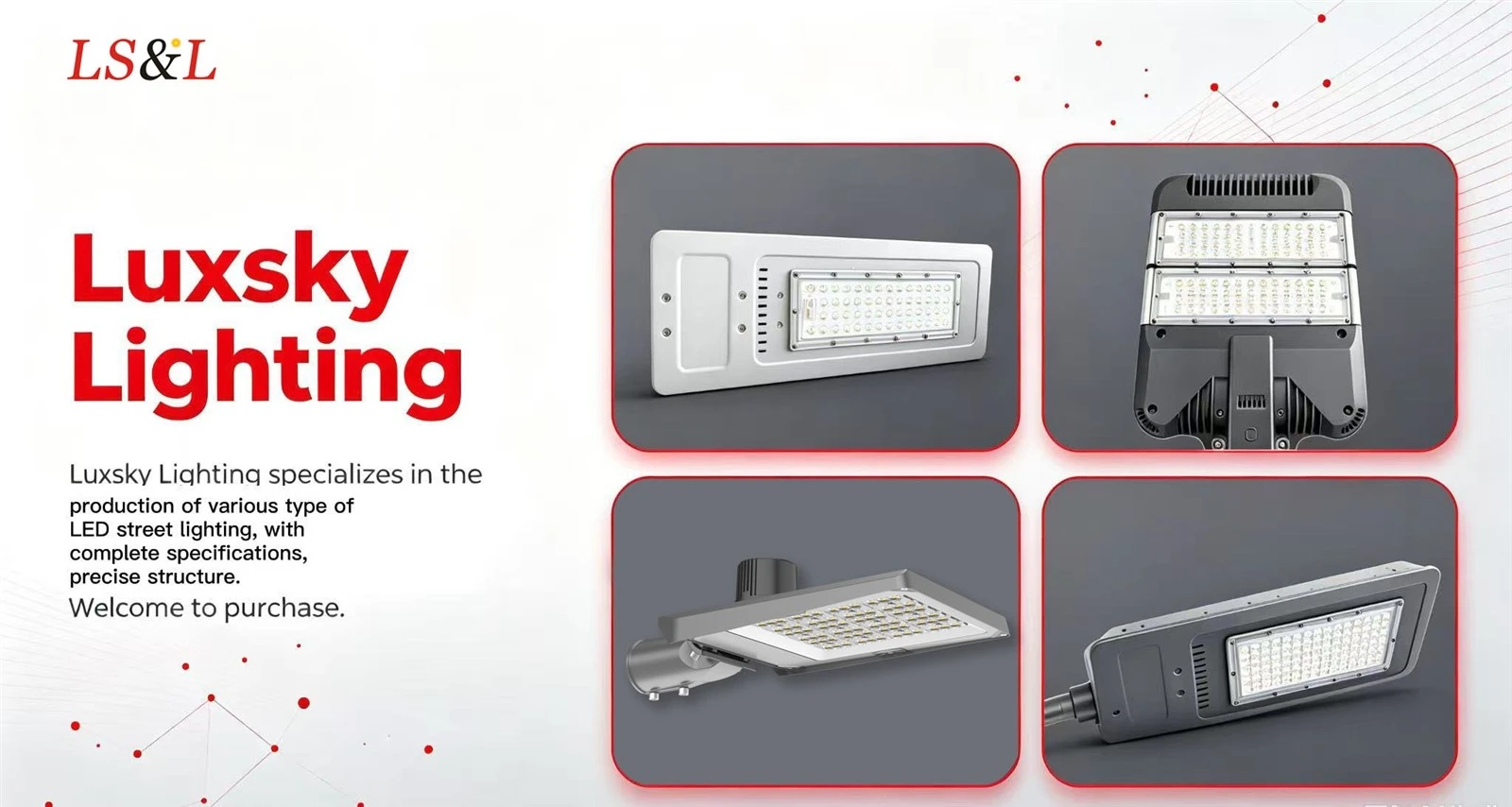
As an LED street light manufacturer with more than twelve years of export experience, I have supplied lighting to hospitals, logistics parks, campuses and industrial zones in the Middle East, Southeast Asia, Africa and South America. Many buyers send me one short line: "Please quote 150 pcs LED street lights." I cannot give an accurate price from that, and the buyer often receives quotes that cannot be compared. A hospital project is even more sensitive, because ambulances, patient rooms and night-shift staff all depend on the result. A clear inquiry gets you a better and more honest quote. Here is how I advise customers to prepare it.
Send Your Lighting Plan and Site Information
Start with the basics: a site plan in CAD or PDF, road widths, pole positions, mounting heights and the zones of your hospital, such as the emergency entrance, ambulance routes, internal roads, car parks, walkways and gardens. Mark where patient windows face the poles. If you already have a DIALux design, send it. If not, ask the supplier to prepare one, because a good LED lighting OEM manufacturer should offer layout support.
List Quantity and Specification for Each Zone
Do not ask for one price for the whole hospital. Different zones need different products, so list each one separately: wattage, quantity, beam type (T2, T3, T4), color temperature, voltage and installation method. For example, ambulance routes may need 100W to 150W at 4000K, car parks 60W to 120W, and walkways and gardens 30W to 60W at 3000K to 4000K. Good LED street lights for hospitals should be quoted by zone, so you can see where your money goes and compare suppliers fairly. These values are general references, so follow your local standard.
State Your Technical and Quality Requirements
Write down what matters to you: IP66, IK08, surge protection of 6kV to 10kV, chip and driver brands, flicker-free drivers, low-glare optics and certificates such as CE and RoHS. If you want smart control, state the dimming interface (0-10V, DALI or PWM), photocell or remote monitoring. Ask for real IES files and test reports. When everyone quotes the same standard, a cheap product with weaker parts cannot hide inside a low price.
Confirm Commercial Terms Early
Many price differences come from terms, not products. Clarify the trade term (EXW, FOB, CIF or DDP), destination port, packing, payment terms, lead time and sample policy. If installation is phased, ask whether the supplier can ship in batches. Ask what the warranty covers, who pays shipping on a replacement and how fast the supplier responds. Replacing one fixture on an 8-meter pole means hiring a lift, closing a lane and disturbing hospital operations, so I suggest an LED lighting supplier with 5 year warranty and clear after-sales terms in writing.
Compare Quotes by Total Value, Not Only Unit Price
When quotes arrive, line them up by zone and check the same items: chip and driver brand, lumen output, IES data, warranty and delivery time. A very low price usually means a smaller heatsink, a weaker driver or exaggerated lumens. Quality LEDs already save about 50% to 70% electricity compared with old sodium lamps, so also ask for a simple payback estimate. Our quality standard includes:
- Branded LED chips and flicker-free drivers, 100% aging test before packing
- Die-cast aluminum housing, IP66 / IK08, 6kV to 10kV surge protection, CE and RoHS certified, with real IES files and test reports for DIALux design
When a customer asks me for a 5-year warranty, I can say yes with confidence, because we test before shipment, not after complaints.
Conclusion
A good inquiry includes your site plan, zone-by-zone specifications, quality requirements and clear commercial terms, so every supplier quotes the same thing. Our LED street lights are built with strict quality control, so the product you receive matches the quote and stays bright, stable and dependable for years.
If you are planning a new hospital project or upgrading an old one, choose Luxsky Lighting. Contact us today for a free DIALux layout and a competitive quote.