After more than twenty years in foreign trade, I have handled quite a few hospital outdoor lighting projects. During procurement or bidding, owners and design institutes often ask for certifications and test reports; without them, acceptance, archiving, or cross-regional supply can get stuck. Hospital projects place greater weight on safety and reliability, so complete documentation is often as important as the product itself. Drawing from practical experience, here are the certifications and reports that are common and worth preparing for hospital LED street light projects.
Safety and Compliance Certifications
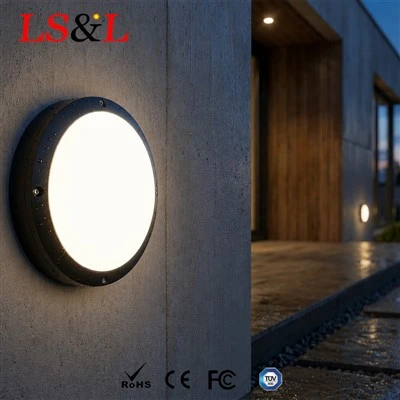
For export or cross-border supply, CE (including LVD and EMC) is common; RoHS addresses hazardous substance restrictions. Some markets also require CB, ENEC, or local certifications; North America may involve UL/cUL. An experienced LED street light manufacturer can usually provide the certificates needed for the target market and reduce compliance risk on the project.
Photometric and Electrical Performance Reports
LM-79 (complete luminaire photometric and electrical data), LM-80 (LED source lumen maintenance), and TM-21 (lifetime projection) help demonstrate luminous efficacy, color temperature, and long-term light decay more convincingly than verbal claims. Hospital outdoor areas need stable illuminance, so these reports are useful in evaluation and acceptance. A capable LED lighting OEM manufacturer generally provides verifiable test data.
Protection and Reliability-Related Tests
Reports for IP65/IP66 protection ratings and IK impact resistance relate directly to rain/dust protection and structural strength. Some projects also ask for environmental tests such as salt spray or high/low temperature, depending on local climate and the bidding documents.
Driver and Electromagnetic Compatibility
Driver safety and EMC-related tests help assess stability under voltage fluctuations and interference with surrounding equipment. Hospital campuses have many electrical systems, so compatibility deserves attention. Selecting an LED lighting supplier with 5 year warranty often means more complete certifications and more rigorous testing.
What to Watch When Preparing Documents
First, check the mandatory clauses and applicable countries/regions in the bid or technical specification, then request from the manufacturer certificates and reports that match the model and are still valid-avoid mismatched or expired files.
Conclusion
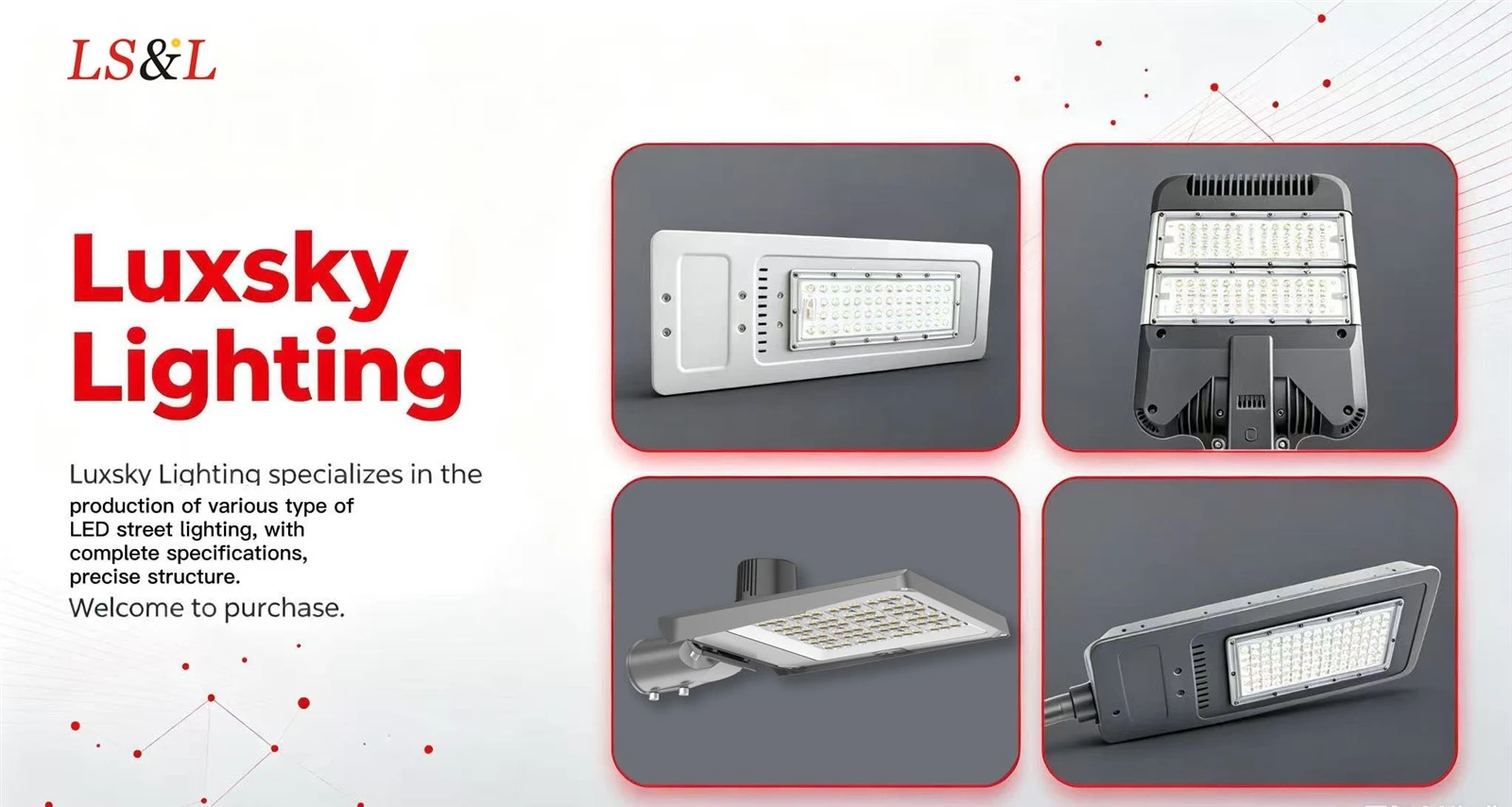
Hospital LED street light projects commonly need safety and compliance certifications, photometric performance reports, and protection and reliability test documents so that evaluation, acceptance, and long-term use can proceed smoothly. Selecting a reliable LED street light manufacturer and a capable LED lighting OEM manufacturer, especially an LED lighting supplier with 5 year warranty, helps keep documentation complete and risk under control. Luxsky Lighting specializes in LED street lights with stable quality and solid after-sales support. If you are preparing certifications and reports for a hospital street light project, feel free to contact us directly for related certificates, test materials, and tailored solutions-reliable products that help you meet project compliance requirements.