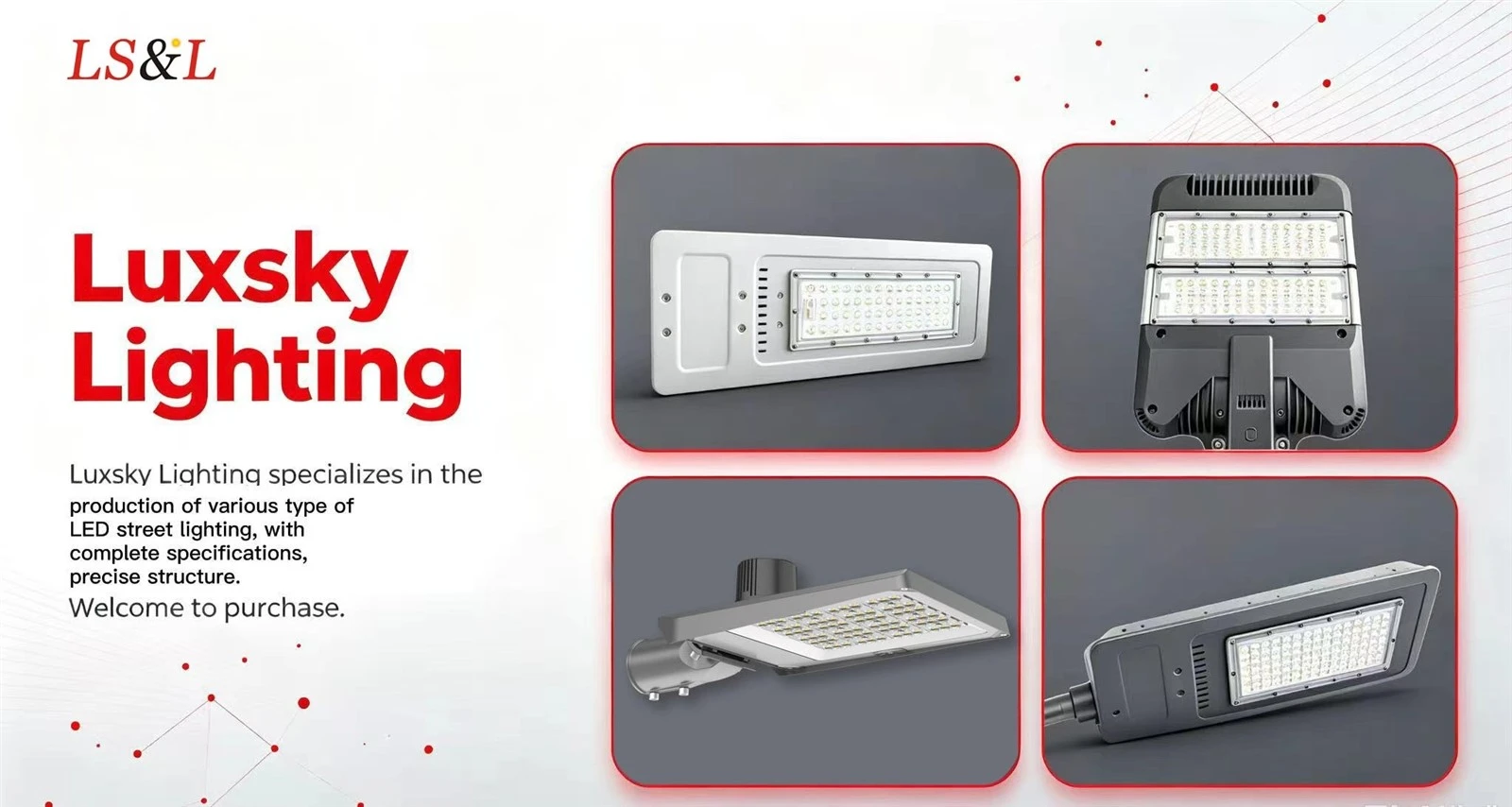
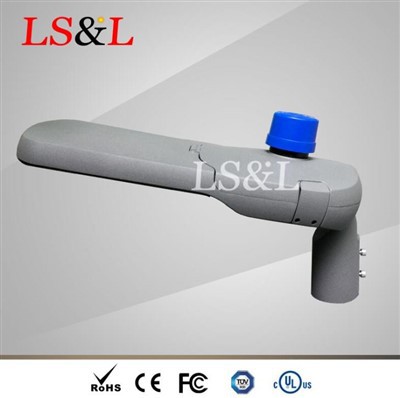
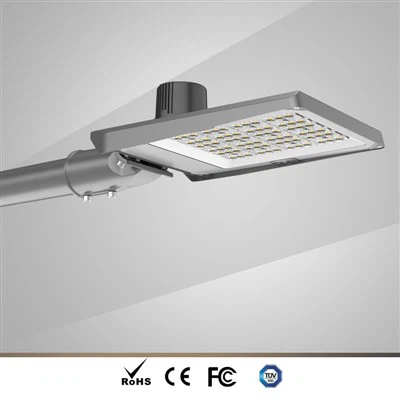
In the field of outdoor lighting-especially roadway lighting-many buyers and project contractors focus heavily on brightness, lifespan, and energy efficiency, while easily overlooking a seemingly basic yet critical aspect: grounding design. Whether the grounding is properly executed directly affects the safety, reliability, and long-term performance of the luminaires. As a veteran who has spent many years in the foreign trade lighting industry, I have seen far too many failures, complaints, and even safety hazards caused by incomplete grounding design. Today, I would like to discuss this issue with you and share some real-world experience from our roadway LED lighting products.
Why Is Grounding Design So Critical?
LED luminaires, particularly outdoor smart lights and roadway fixtures, are continuously exposed to complex environments involving rain, snow, humidity, lightning strikes, and grid fluctuations. If the grounding system is inadequate, the consequences can range from leakage current, tripping, and controller damage to, in severe cases, personal safety risks. A well-designed grounding system should at least achieve three things:
Reliable electrical connection that ensures a low-impedance path between the metal housing and the earth.
Effective coordination with lightning and surge protection to quickly discharge transient high voltages to ground.
Long-term corrosion resistance and vibration resistance to prevent grounding failure due to environmental factors.
Many low-cost products cut corners in this area: poor-quality grounding terminals, insufficient cross-section, rough assembly processes, or merely symbolic grounding. As a result, products may barely pass factory tests but start showing problems after six months to a year of field use. Companies that truly practice Strict quality control LED engineering lighting treat grounding design as a core engineering priority rather than an afterthought.
What Elements Should a Complete Grounding Design Include?
From practical engineering experience, a qualified roadway LED lighting product typically incorporates the following key points in its grounding system:
- The luminaire housing uses high-conductivity metal materials and is equipped with dedicated grounding screws or terminals to ensure a secure connection.
- Internal wiring design carefully calculates the grounding conductor cross-section and routing path to avoid loose connections or overheating.
- Surge protective devices (SPD) are combined with insulation testing to form a dual "grounding + protection" safeguard.
- Full-process quality control: from incoming material inspection and assembly torque control to finished-product withstand voltage and grounding resistance testing-every step is documented and traceable.
These seemingly minor details are precisely what distinguish ordinary products from true engineering-grade ones. When serving overseas municipal, highway, and industrial park projects, one of the questions clients ask most frequently is: "Can your luminaires maintain stable grounding resistance? Can they recover quickly after a lightning strike?" This is exactly why we adhere to the principle of Strict quality control in LED engineering lighting-only by getting the grounding right from the design stage can the product truly withstand real-world conditions.
Common Misconceptions in Practical Applications
Many buyers simply look for the words "grounded" on the specification sheet when selecting products, without asking how it is actually implemented. This often leads to the following issues:
Unreasonable placement of grounding terminals, making it inconvenient for installers and resulting in insecure on-site grounding.
Use of inferior coatings or ordinary steel that corrodes quickly in coastal or high-humidity areas, causing grounding failure.
Only grounding the housing while neglecting independent grounding requirements for the driver and intelligent control modules, which leads to instability in Smart outdoor light systems.
Experienced contractors and foreign-trade buyers now routinely request grounding structure drawings, test reports, and relevant certification documents from suppliers. This is both a responsibility to the project and a protection of their own brand reputation.
Conclusion
Whether the grounding design of a lighting fixture is complete determines whether the product can operate safely and reliably over the long term in complex outdoor environments. Only by getting the details right can we truly achieve the goals of safety, reliability, and long service life.
At Luxsky Lighting, we consistently uphold Strict quality control in LED engineering lighting as the core principle of product development. From grounding design to full-luminaire testing, every step is strictly controlled to ensure that every roadway LED lighting and Smart outdoor light product can stand up to real-world challenges. If you are looking for reliable LED street light solutions, feel free to contact us for more product details and project support.