

When evaluating outdoor lighting solutions, it is critical to understand how LED floodlights compare to traditional lighting technologies. While incandescent, halogen and HID lamps each have their uses, LEDs have become the preferred choice due to their efficiency, durability and superior performance.
Incandescent Bulbs
Traditional incandescent light bulbs have very low energy efficiency, with nearly 90 percent of the energy dissipated as heat rather than converted to light. Their short lifespan makes it difficult to meet the demand for large-area or continuous lighting. In contrast, LED floodlights convert most of the energy into light, improving energy efficiency by up to 80 percent while producing a brighter, more consistent light with very low heat generation.

Halogen Floodlights
Halogen flood lights perform slightly better than incandescent bulbs, but still consume far more energy than LED lights. They also emit a lot of heat. LED flood lights provide the same brightness while consuming about 75 percent less energy, which reduces electricity and maintenance costs. Their stable, glare-free light characteristics make them ideal for driveways, car parks and landscape lighting.

High-Intensity Discharge (HID) Lamps
HID lamps, metal halide or high-pressure sodium lights, have been used in outdoor and industrial applications for a long time due to their high luminance characteristics. However, these lamps take longer to reach their maximum brightness and require more frequent maintenance. LED flood lights solve these problems with instant brightness response, stable colour temperature and energy savings of up to 50%. Their long life and high reliability make them a cost-effective alternative to traditional HID systems.
Below is their detailed comparison table:
| Feature | LED Floodlights | Incandescent Bulbs | Halogen Floodlights | High-Intensity Discharge Lamps (HID) |
| Energy Efficiency | Very High (Up to 80%) | Low (Around 10%) | Moderate (Around 25%) | Moderate to High (Around 50%) |
| Lifespan | Long (Up to 50,000 hrs) | Short (Around 1,000 hrs) | Moderate (Around 2,000 hrs) | Moderate (Around 15,000 hrs) |
| Heat Emission | Low | High | High | High |
| Light Quality (CRI) | High (80 or above) | Low (Usually below 70) | Moderate to High (Around 90) | Moderate to High (Around 70-90) |
| Instant On/Off | Yes | Yes | Yes | No |
| Directional Lighting | Yes | No | Yes | Yes |
| Maintenance Frequency | Low | High | Moderate | Moderate |
| Environmental Impact | Low (Energy-efficient) | High (Inefficient) | Moderate (Inefficient) | Moderate to High (Inefficient) |
| Color Temperature Options | Wide range (2700K-6500K) | Limited (Warm) | Limited (Warm) | Limited (Warm) |
| Cost (Initial and Operational) | Moderate to High | Low to Moderate | Moderate to High |
Moderate to High |
Together, these comparative advantages make LED floodlights an ideal solution for modern lighting projects. At Luxsky Lighting, we offer efficient, durable, high-quality LED floodlights designed to meet the needs of diverse projects.
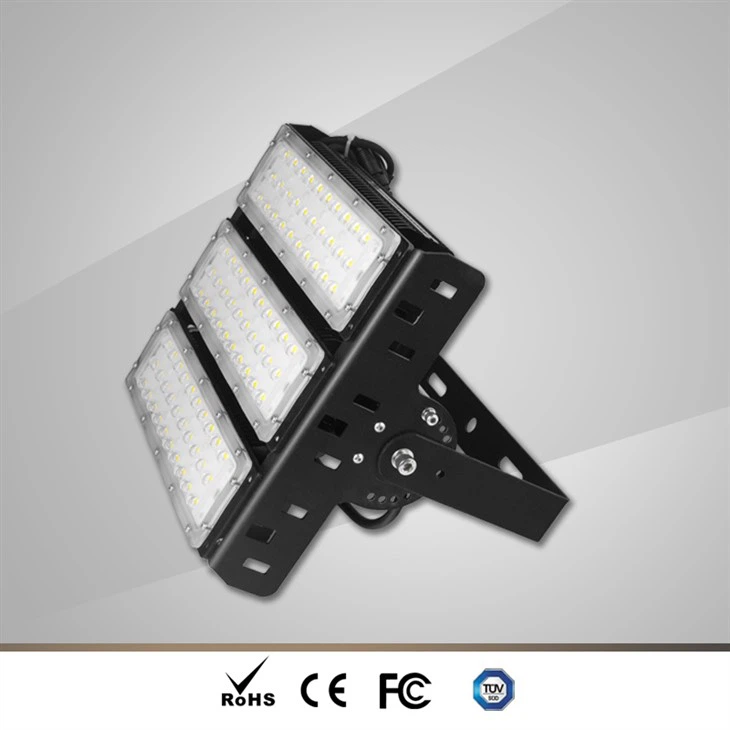
If you are interested, please click https://www.luxsky-light.com/led-flood-light/led-modular-flood-lights/3030-led-modular-flood-lights.html for more details.





