

Yesterday, we discussed how to choose the right LED flood light. Now that you have the perfect one, the next question is where and how to install it. Today, let's take a closer look at the proper installation and placement of LED flood lights.

How to Install Your LED Flood Lights
1. Mounting Options
LED flood lights can be mounted in various ways, such as on walls, poles, ceilings, or the ground. The best mounting method depends on the specific site and application. Make sure the fixture is securely installed and suitable for the intended environment.
2. Electrical Safety
Safety should always come first. Before wiring the LED flood light, switch off the power at the breaker or disconnect the circuit. Follow the manufacturer's wiring instructions carefully. For large-scale or complex installations, consider hiring a licensed electrician to ensure proper setup.
3. Grounding
Proper grounding is crucial for preventing electrical hazards and ensuring safe operation. Always follow local electrical codes and standards when grounding the fixture.
Where to Position Your LED Flood Lights
1. Evaluate the Lighting Area
Before installation, assess the area you plan to illuminate. Identify key spots, obstacles, and zones that need focused lighting for safety or visual appeal.
2. Height and Angle
The height and tilt of your flood light directly affect its coverage. For security lighting, mount the fixture higher to prevent tampering and to maximize visibility. Adjust the angle downward to minimize glare and light pollution.
3. Ensure Even Coverage
Overlap the beams of multiple lights slightly to avoid dark patches and maintain consistent brightness across the entire area.
4. Motion Sensor Setup
If using a motion-sensing floodlight, place the sensor in a location where it can effectively detect motion within the target area. Avoid installing in areas where false alarms may be triggered by nearby activity.
5. Minimize Light Spill
Pay attention to avoiding light pollution. Use shields or adjust angles to prevent unwanted light from shining onto neighboring properties or into the sky.
6. Focus on Security
For security purposes, place flood lights near entrances, windows, and other potential hiding spots. Arrange them so the light pushes shadows away from these areas.
7. Test and Adjust
After installation, test the lighting to confirm that the coverage is as expected. Fine-tune the angle or position as required to optimise the lighting effect.
8. Maintain Regularly
Set up a maintenance schedule to check for damaged parts, loose connections, or dirt buildup. Regular cleaning and inspection help keep your flood lights performing at their best.
Now that you've learned how to install and position LED flood lights, it's time to pick one that makes the job simple. At Luxsky Lighting, our LED flood lights are easy to install, highly efficient, and built for lasting performance. We also provide professional guidance and support to help you achieve the best lighting results for your project.
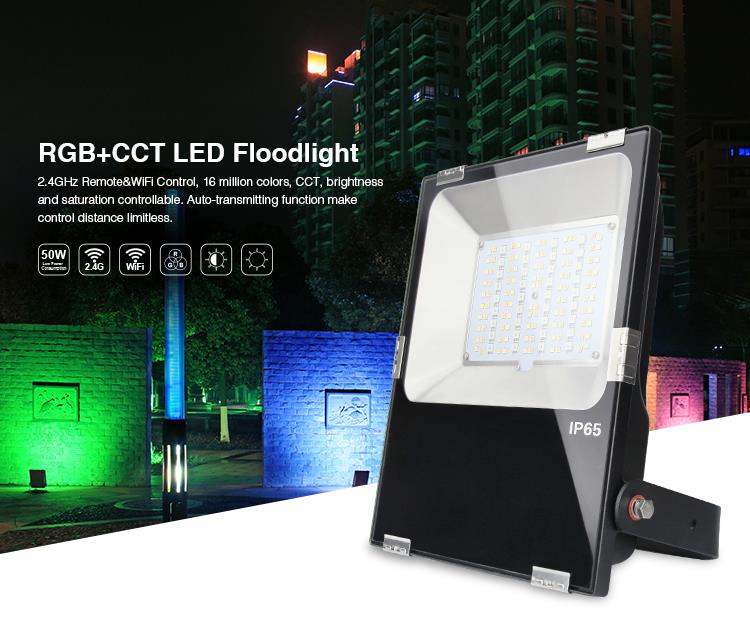
If you are interested, please click https://www.luxsky-light.com/led-flood-light/ip65-led-flood-light/ip65-led-flood-lighting-with-rgb-and-cct.html.





