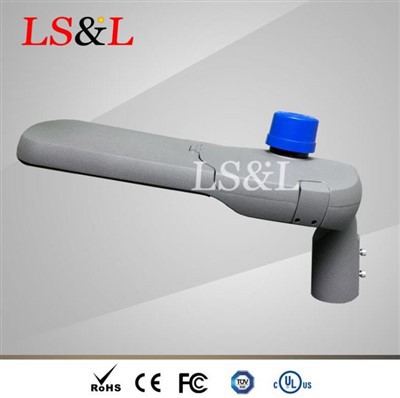
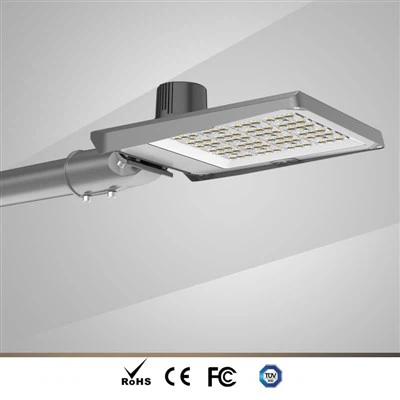
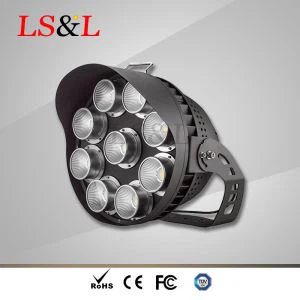
In recent years, with the continuous development of technology, LED street lights-as the new favorite in urban lighting-have been increasingly applied in public places such as city streets, highways, and subway stations. At the same time, conventional LED lighting technology has also achieved rapid development in the field of urban lighting. So how do ultra-high-efficiency LED street lights compare with conventional LED lighting technology? Below, we analyze and compare the two from five aspects: energy consumption, luminous efficacy, lifespan, environmental protection, and safety.
Energy Consumption: Ultra-High-Efficiency LED Street Lights Are More Energy-Efficient
In today's world of increasingly scarce energy resources, energy conservation and environmental protection have become a social consensus. Ultra-high-efficiency LED street lights offer the advantages of low power consumption and high luminous efficiency, delivering greater energy-saving benefits compared with conventional LED lighting technology. According to actual tests, under the same illuminance conditions, the power consumption of ultra-high-efficiency LED street lights is only about 50% that of traditional LED lighting fixtures.
Luminous Efficacy: LED Street Lights Are More Efficient Than Traditional Lighting Technologies
Luminous efficacy refers to the usable light energy produced per unit of energy and is a significant performance indicator. Although LED street lights already have much higher luminous efficacy than traditional lighting sources such as tungsten filament lamps and fluorescent lamps, the efficacy of conventional LED street lights typically reaches around 80–100 lm/W. Compared with conventional LED street lights, ultra-high-efficiency LED street lights produce softer light with no glare, better ensuring the visual safety of drivers and pedestrians at night. Their luminous efficacy generally ranges from 160 to 200 lm/W.
Lifespan: Longer Service Life
Compared with conventional LED lighting products, ultra-high-efficiency LED street lights are more durable and have a longer service life. The average service life of ultra-high-efficiency LED street lights can reach more than 35,000 hours.
In summary, although conventional LED lighting technology still maintains strong competitiveness in the field of urban lighting, with the continuous advancement of technology, ultra-high-efficiency LED street lights will inevitably become the development trend in urban lighting. Thanks to their advantages in energy saving, high efficiency, environmental protection, and safety, these LED street lights deliver superior performance. In future urban lighting construction, ultra-high-efficiency LED street lights will play an increasingly important role.
Frequently Asked Questions (FAQ)
1. What is the luminous efficacy of ultra-high-efficiency LED street lights?
Ultra-high-efficiency LED street lights typically achieve a luminous efficacy of 160–200 lm/W, significantly higher than the 80–100 lm/W of conventional LED street lights.
2. How much energy can ultra-high-efficiency LED street lights save?
Under the same illuminance conditions, the power consumption of ultra-high-efficiency LED street lights is approximately 50% of that of traditional LED lighting fixtures, resulting in substantial energy savings.
3. What is the average lifespan of ultra-high-efficiency LED street lights?
The average service life of ultra-high-efficiency LED street lights exceeds 35,000 hours, offering greater durability compared with conventional LED lighting products.
4. Do ultra-high-efficiency LED street lights reduce glare and improve safety?
Yes. They produce softer, glare-free light that better protects the visual safety of drivers and pedestrians during nighttime travel.
5. Why are ultra-high-efficiency LED street lights considered more environmentally friendly?
Due to their lower power consumption, higher efficiency, and longer lifespan, they reduce energy use and the frequency of replacements, contributing to lower carbon emissions and less waste over time.