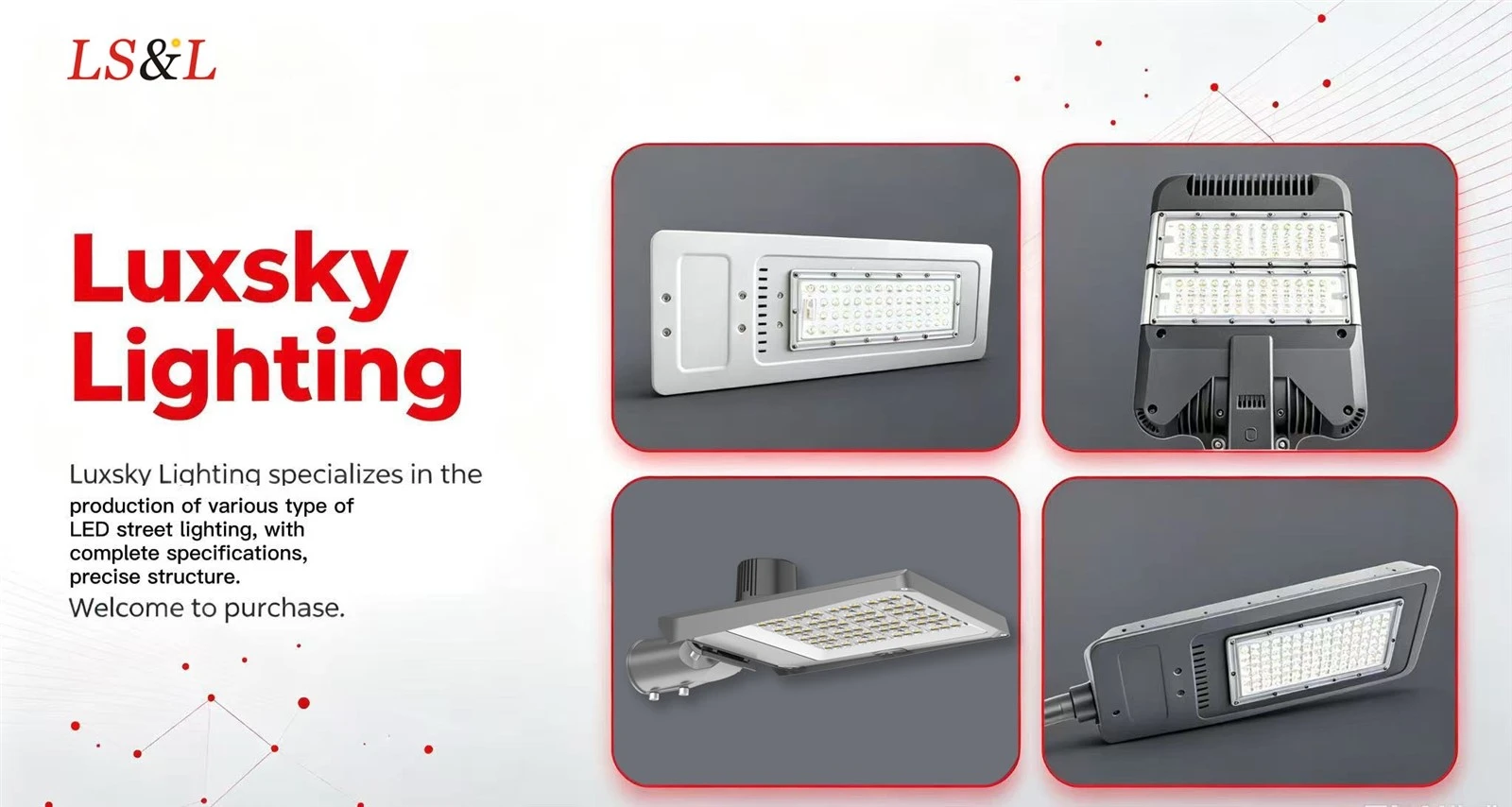
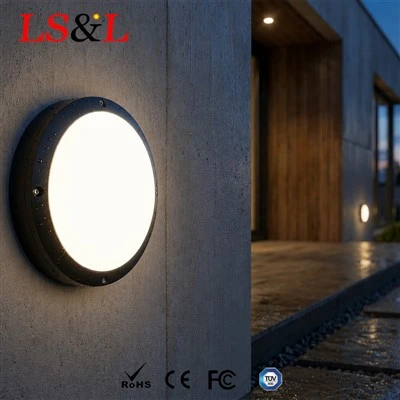
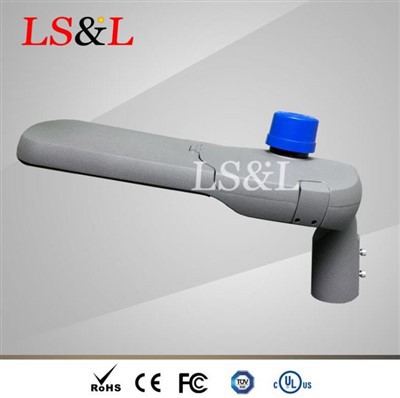
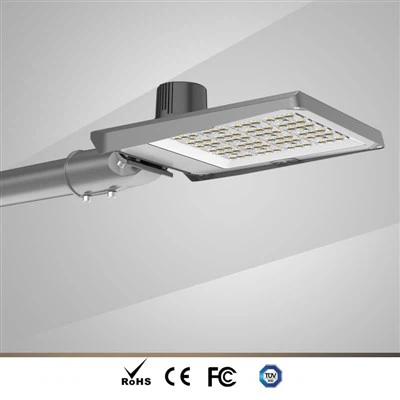
As an LED street light manufacturer with more than twelve years of export experience, I have supplied lighting to farms, logistics parks, hospitals and industrial zones in the Middle East, Southeast Asia, Africa and South America. Smart lighting is now a common request on large farms, but I have also seen projects where the control system worked poorly after installation. A smart light is a fixture plus electronics, software and communication, so more things can go wrong. On a farm, with long distances, weak power and harsh conditions, planning must be even more careful. Here are the technical points I check with every customer.
Communication Method and Signal Coverage
Choose the communication type before the fixtures. Common options are 4G, LoRa, NB-IoT, Zigbee and RF mesh, and each has different range, cost and signal behavior. Large open farms often suit LoRa or 4G, while barns, metal sheds and grain silos can block signals. Do a site signal test, plan the number of gateways and ask what happens when the network goes down. A good system keeps the last schedule running locally, so the lights do not go dark during an outage. Remote corners with no signal may need standalone sensor control instead.
Dimming Interface and Controller Compatibility
The fixture, driver and controller must speak the same language. Check whether the driver supports 0-10V, DALI or PWM dimming, and whether the controller is built in or installed on a socket. Good LED street lights for farms should come with a documented control interface, so you are not locked into one closed system. Ask for a small pilot test before ordering the full quantity, because compatibility problems are much cheaper to fix on ten poles than on two hundred.
Power Quality and Surge Protection
Smart electronics are more sensitive than a simple driver, and farm power is often unstable: long cables, weak grids, pumps and motors, and lightning. Choose a wide-voltage driver, built-in surge protection of 6kV to 10kV, an external SPD at the pole base in storm-prone areas and low-resistance grounding for every pole. Follow your local electrical code and your engineer's design. Check that the controller itself is also well protected, because it is often the first part to fail.
Sensors, Software and Data Safety
Decide which sensors you need: a photocell for dusk and dawn, radar or PIR for motion, and perhaps power metering for energy reports. Check that the software is simple for your staff, supports zone and schedule control and sends fault alerts. Ask where the data is stored, who can access it and how user permissions work, because a lighting network is part of your wider IT environment. Solar systems add battery and charge monitoring to the list.
Safe Lighting Settings, Environment and Supplier Support
Smart control must never create dark spots. Keep gates, junctions and machinery yards at a stable, safe level while work is going on, set a minimum dimming level of about 30% to 50% elsewhere and use smooth ramps, because a tractor driver can be dazzled, even for two seconds, if brightness jumps. Near livestock, follow your local animal welfare guidance. Controllers must also survive dust, humidity and heat, so I recommend IP66 and IK08. Quality LEDs already save about 50% to 70% electricity compared with old sodium or metal halide lamps, and smart control adds more. These values are general references, so follow your local standard. Replacing one fixture on a 6-meter pole means hiring equipment and stopping work, so I suggest an LED lighting supplier with 5 year warranty and a real factory behind it. As an LED lighting OEM manufacturer, we also customize wattage, beam angle, color temperature and branding for project buyers and distributors. Our quality standard includes:
- Branded LED chips and flicker-free dimmable drivers, 100% aging test before packing
- Die-cast aluminum housing, IP66 / IK08, 6kV to 10kV surge protection, CE and RoHS certified, with real IES files and test reports for DIALux design
When a customer asks me for a 5-year warranty, I can say yes with confidence, because we test before shipment, not after complaints.
Conclusion
Before installing smart LED street lights on a farm, check the communication network, dimming compatibility, power protection, software safety and safe lighting levels. Our LED street lights are built with strict quality control, so they stay bright, stable and easy to manage for years.
If you are planning a new farm project or upgrading an old one, choose Luxsky Lighting. Contact us today for a free DIALux layout and a competitive quote.