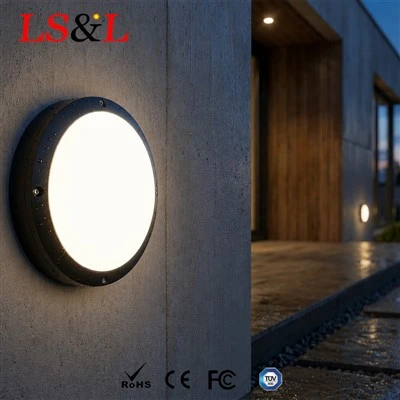
Many overseas engineering clients report emergency bulkhead lights break down shortly after installation. Having worked in lighting foreign trade for years, I've seen many projects fail fire inspections due to fixture malfunctions. Failures are not always caused by poor product quality. Installation, site conditions and maintenance also play major roles. Below I cover frequent failure triggers and troubleshooting guidance.
1. Battery ageing and charging faults (the most common issue)
The battery is the weakest point of an emergency led bulkhead light. Continuous float charging, high ambient temperatures and long storage without activation speed up battery degradation. If units sit idle in warehouses for months, their capacity drops sharply and they often fail backup runtime tests on site. Damaged charging circuits create hidden problems. The indicator light may look normal under mains power, while the battery is not charging at all. This fault cannot be spotted visually and only shows up during scheduled discharge tests.
2. Broken protection against moisture and dust
For an IP65 bulkhead light fitted in semi-outdoor zones or damp workshops, misaligned gaskets or cracked housings break its sealing performance. Moisture and dust get inside, corrode the driver and switching circuits, and lead to intermittent lighting or failure to enter emergency mode. Some buyers skip housing checks on delivery. Loose screws during installation also ruin the original seal and trigger recurring faults later.
3. Malfunction of the switching control module
The internal switch module handles transition between mains and emergency power. Poor-quality components or voltage surges can easily damage this part. Once it fails, the bulkhead light will not switch to emergency lighting during a blackout, which counts as a serious non-compliance risk in fire audits. Frequent power trips and unstable site voltage repeatedly stress the switching circuit, accelerate component ageing and shorten overall service life.
4. Wrong installation and wiring mistakes
Improper wiring is a common human error on site. Emergency lighting has separate permanent live, switched live and test cables. Electricians who wire it like standard lighting will disable the emergency function completely. Poor mounting positions also cause trouble. Continuous impact from heavy goods or insufficient heat clearance speeds up internal component wear.
5. Risks from incorrect selection and neglected maintenance
If the fixture is not matched to site conditions, for example using standard versions in corrosive areas, or if regular inspections and discharge tests are skipped, minor defects develop into total failure. Low-cost models usually cut corners on batteries and circuit boards, leading to much higher long-term failure rates. Incoming checks and annual inspections cannot be skipped, to catch defects early and avoid costly rework.
6. Practical troubleshooting workflow
Follow this priority order for fault diagnosis: check the battery first, then sealing, wiring and finally the switching module. When placing orders, confirm battery specifications and board quality, and remind installers to follow wiring standards.

If you are running an emergency lighting project and want to reduce failure rates, or need a troubleshooting checklist, share your site conditions with me. I can help select suitable fixtures and lower compliance risks.