In road lighting project inquiries, clients often ask: What are the street lights on roads generally called? As a foreign trade professional who has long worked with overseas municipal and engineering projects, I will clarify the names, structure, functions, and common types to help procurement and project teams make quick judgments.
Basic Names and Structural Components
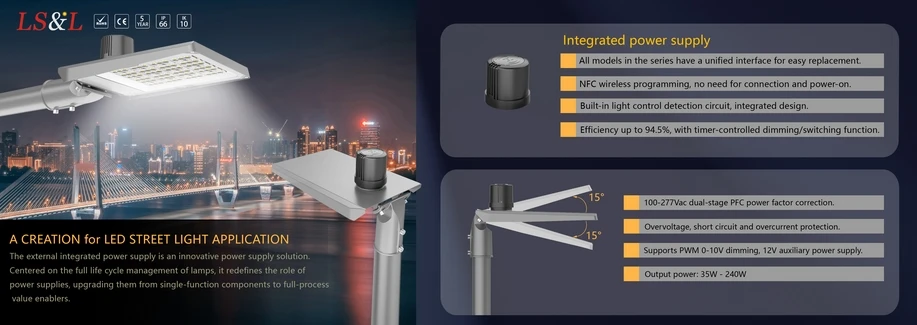
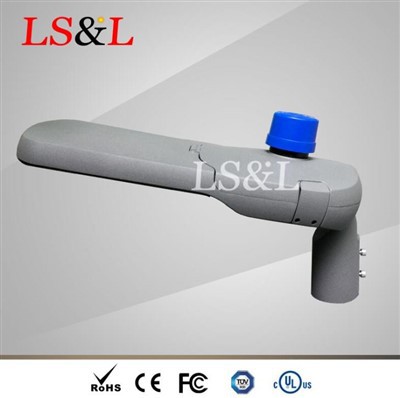
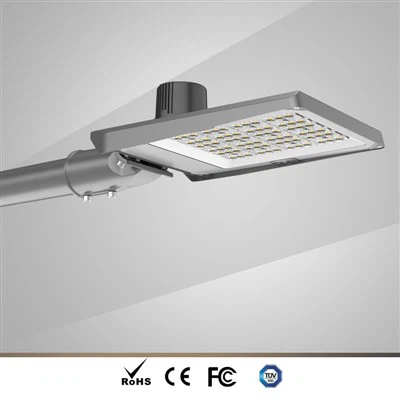
Street lights on roads are usually simply called street lights or road lights. They are installed on both sides of the road or on the central median and mainly consist of three parts: the lamp post, the lamp head, and the lamp cover. The lamp post determines the installation height and stability, the lamp head is responsible for emitting light, and the lamp cover handles light distribution and protection. Although the structure appears simple, it directly affects the illumination range and long-term durability.
Core Function: Ensuring Nighttime Driving and Pedestrian Safety
The primary function of street lights is to provide road visibility and ensure the safety of drivers and pedestrians at night. Appropriate illuminance and uniformity can effectively reduce accident risks, which is why municipal projects have strict requirements for lighting performance. Whether on urban main roads or rural roads, street lights are an indispensable part of infrastructure.
Common Types of Street Lights and Their Practical Characteristics
Common types of street lights on the market include high-pressure sodium lamps, LED lamps, lawn lights, solar street lights, and smart street lights.
High-pressure sodium lamps emit strong yellow light with high brightness and good penetration, making them suitable for large roads and highways. However, they have higher energy consumption and average color rendering.
LED street lights have become the current mainstream choice thanks to their low energy consumption, high brightness, long lifespan, and ability to adjust light and color. With high luminous efficacy and low maintenance costs, more and more urban road projects prioritize them.
Lawn lights are mainly used in parks and residential green belts. They provide soft light and focus on ambient lighting rather than high-intensity road illumination.
Solar street lights require no external power supply. They rely on photovoltaic panels and batteries, making them especially suitable for remote areas without stable electricity.
Smart street lights integrate sensors and control systems. They can automatically adjust brightness and support remote monitoring and management, representing an important direction for smart city construction.
Selection Must Match Actual Road Requirements
Whether traditional high-pressure sodium lamps or modern LED, solar, or smart street lights, the variety of designs and types all aim to improve road safety and lighting performance. When purchasing, it is essential to match the product to the road grade, local climate, power conditions, and budget, avoiding the blind pursuit of high power or complex functions. Proper projects usually perform optical calculations first before finalizing the solution.
Conclusion
Luxsky Lighting focuses on the research, development, and production of high-quality LED street lights. Our products cover conventional road lighting, solar, and smart control solutions, with stable luminous efficacy and reliable lifespan. We have served numerous overseas projects. Clients with procurement needs are welcome to contact us directly for solutions suited to local roads and for sample support, and to choose truly professional LED street lights.