

Ceiling lights offer a variety of light distribution patterns, primarily including direct light, indirect light, diffused light, spot lighting, ring lighting, adjustable light and scattered light; each has its own characteristics and suitable applications.
Direct light: Light is projected directly downwards from the luminaire, illuminating the area directly beneath it. This method provides intense light and is suitable for areas requiring high brightness, such as kitchens, offices and studies. However, it may cast shadows and cause glare, making it unsuitable for leisure areas.
Indirect light: Light is first directed onto the ceiling or walls, then reflected into the room. This method produces soft, even light, minimising shadows and glare, and is suitable for creating a comfortable atmosphere in spaces such as living rooms, bedrooms and relaxation areas. However, the light intensity is lower and may not be bright enough.
Diffused light: Light is scattered through the luminaire's diffusing material, creating a soft glow. This method provides uniform illumination and reduces the glare caused by direct light, making it suitable for large areas such as living rooms, bedrooms and corridors. However, the intensity and brightness of the light may not be as high as with direct light.
Concentrated light: Light is concentrated and projected through the luminaire's focusing mechanism, forming a strong beam. This method produces concentrated light, making it suitable for highlighting specific areas or objects, such as display areas or galleries. However, it may produce noticeable shadows and light spots, resulting in uneven light distribution.
Ring lighting: Light is emitted evenly from all sides of the luminaire, forming a ring-shaped glow. This method illuminates the entire space evenly, minimising shadows and blind spots, and is suitable for general indoor environments, such as living rooms and meeting rooms. However, there may be certain limitations on the brightness of the lighting.
Dimmable lighting: The luminaire features a function to adjust light intensity, allowing the brightness to be modified as required. This method flexibly adapts to different lighting needs, offering multiple lighting modes, and is suitable for environments requiring varying light intensities, such as dining rooms, bedrooms and offices. However, additional control equipment may be required.
Diffused light: Light is emitted from multiple directions, illuminating the entire room. This method provides wide coverage, minimising dark areas and shadows, and is suitable for large spaces such as lobbies and shops. However, the light may lack focus.
When selecting a ceiling light, considering the light distribution method can help you achieve the desired lighting effect and comfort.
Luxsky Lighting offers a wide range of IP65 LED bulkhead lights with microwave, PIR, and daylight sensor options for commercial and outdoor applications.
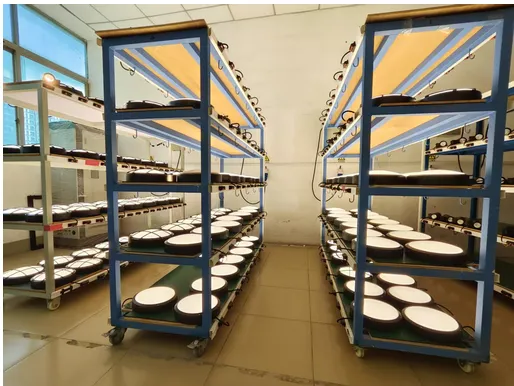
If you are looking for energy-efficient sensor bulkhead lighting solutions for your next project, feel free to contact us for more information.





