In LED street light procurement, clients often ask: "What is the MTBF of your driver power supply?" Some manufacturers claim 50,000 hours, others 100,000 hours, or even higher-the numbers look impressive. As a veteran who has worked in the foreign trade lighting industry for many years, I understand the real meaning behind this parameter. Today, based on practical project experience, I would like to discuss how to properly interpret the MTBF of drivers used in roadway LED lighting.
What Exactly is MTBF?
MTBF (Mean Time Between Failures) is a key indicator for measuring the reliability of electronic products. It represents the average operating time between two consecutive failures under specified conditions. For the driver power supply of LED street lights, a higher MTBF theoretically indicates greater overall reliability of the luminaire.
However, it must be emphasized that MTBF is a statistical prediction value, usually calculated based on component failure rates, environmental stress, and accelerated life testing-it is not an absolute lifespan obtained from actual continuous operation. Responsible companies that practice Strict quality control LED engineering lighting use internationally recognized calculation methods (such as Telcordia or IEC standards) and adjust the figures according to real operating environments, rather than arbitrarily inflating the numbers.
Why is Driver MTBF So Important for Street Lights?
The driver is the "heart" of an LED street light. Once the power supply fails, the entire luminaire goes dark, and the maintenance cost is far higher than simply replacing the light source. This is especially critical for Smart outdoor light and roadway lighting products, which are installed at height and difficult to service. Driver reliability directly determines the long-term operation and maintenance costs of a project.
Key factors that influence the MTBF of a driver power supply include:
- Component Selection: The brand and grade of critical components such as electrolytic capacitors, MOSFETs, and transformers directly determine the failure rate. Industrial-grade or even automotive-grade components are far more durable than consumer-grade ones.
- Thermal Management and Derating Design: For every 10°C rise in internal temperature, the failure rate can increase significantly. High-quality roadway LED lighting optimizes layout and heat dissipation so that the driver operates at a lower temperature.
- Protection and Surge Capability: Outdoor environments are complex. Comprehensive surge protection, moisture resistance, and dust-proof design effectively reduce the risk of early failures.
- Full-Process Quality Control: From PCB design and soldering processes to aging tests, strict quality management is essential to convert theoretical MTBF into real-world reliability.
When serving overseas municipal and highway projects, clients are increasingly focused on the actual reliability data of the driver rather than purely promotional figures. This is why companies that consistently uphold Strict quality control LED engineering lighting are more likely to win long-term partnerships.
Common Misconceptions and Professional Advice
Many buyers only look at the MTBF number on the specification sheet without asking about the calculation basis or operating conditions. In high-temperature, high-humidity, high-altitude, or high-voltage-fluctuation regions, the actual MTBF will be noticeably lower than laboratory data. Professional purchasers typically request the following from suppliers:
- Detailed MTBF calculation reports
- Critical component lists and brands
- High-temperature aging and surge test records
These are the true criteria for judging whether the driver of a Smart outdoor light is genuinely reliable.
Conclusion
The MTBF of a driver power supply is not merely a marketing figure-it reflects the comprehensive strength of product design, component selection, and quality control. Only by solidly executing every detail can high reliability truly be achieved.
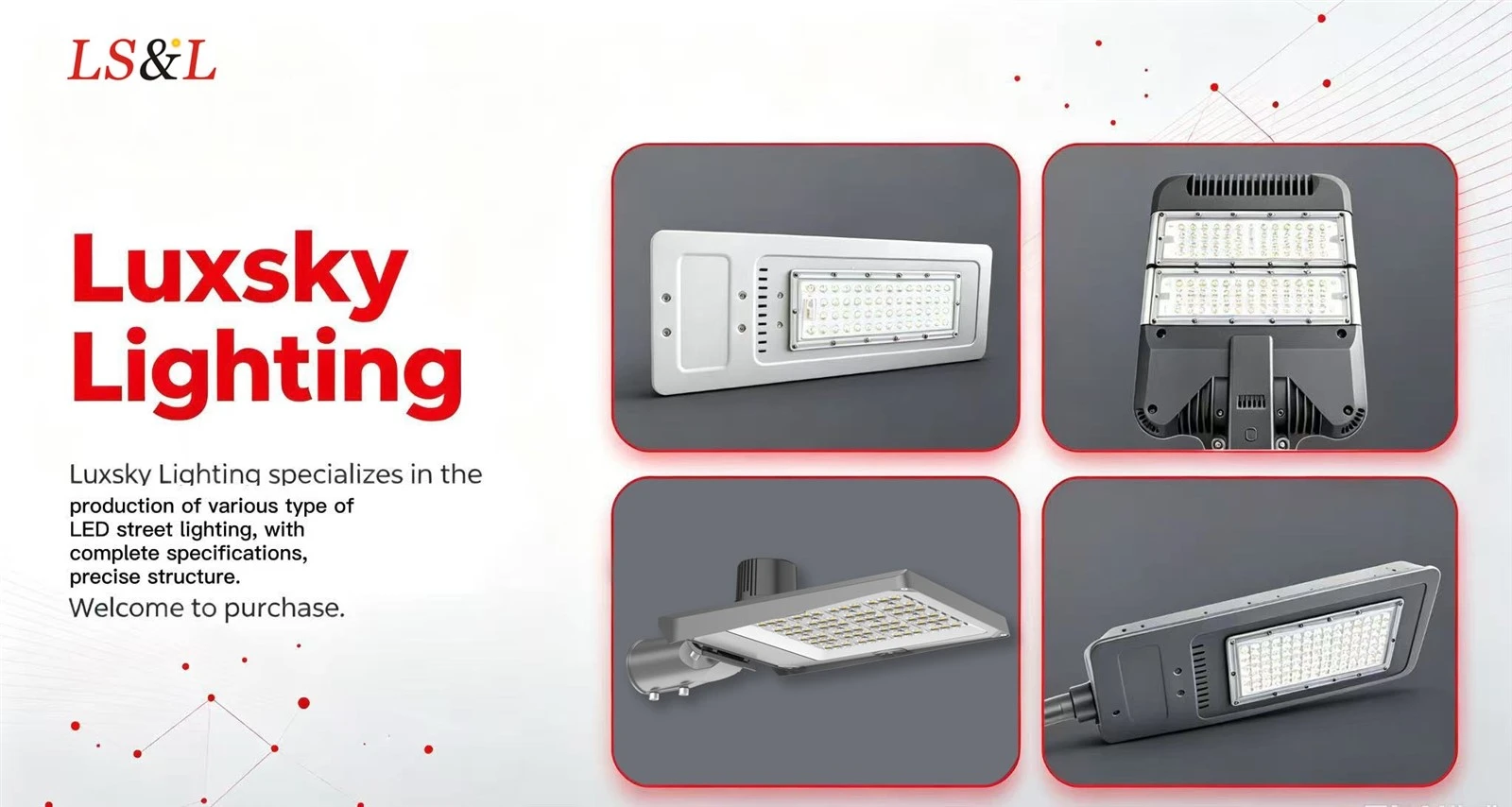
At Luxsky Lighting, we consistently adhere to the principle of Strict quality control in LED lighting engineering. From driver selection to full-luminaire verification, every step is strictly controlled to ensure outstanding long-term stability. If you are looking for reliable LED street lights, feel free to contact us for more details and project support.