I've been in the LED lighting export business for many years, and one of the most common questions I get from customers is: "You say L70 is 50,000 hours - is L50 basically the same thing?" Honestly, these two terms look similar, but they're actually quite different, and a lot of buyers new to the LED lighting industry mix them up. Today I want to share what I've learned from years of working on roadway LED lighting projects to clear this up.
What Do L70 and L50 Actually Mean
Let's start with the basics. Unlike traditional bulbs that simply burn out, LED chips go through a gradual brightness decay process over time. The industry uses standards like L70 and L50 to measure this "lumen depreciation" lifespan.
L70 refers to the amount of time an LED light source takes to decay to 70% of its initial brightness. So if a product is rated L70=50,000 hours, it means after 50,000 hours of use, the brightness should remain above 70% of what it was on day one.
L50, on the other hand, refers to the time it takes for brightness to decay to 50% of the initial output. Using the same 50,000-hour figure, the L50 standard is clearly much more lenient than L70, since it allows the light to drop to half its original brightness before being considered at "end of life."
What's the Core Difference
Put simply, the biggest difference between L70 and L50 comes down to "decay tolerance."
1. Different brightness standards: L70 requires the fixture to maintain a higher brightness level throughout its entire service life, meaning users experience more stable and consistent lighting. L50 allows for a much greater level of decay, so in the later stages of use, you may notice a significant drop in illumination.
2. Different application scenarios: For safety-critical applications like roadway LED lighting, the industry generally uses L70 as the lifespan standard, because insufficient brightness on a street light directly affects driving and pedestrian safety. Some decorative lighting applications with less strict brightness requirements might use L50 or even more lenient standards.
3. Watch out for misleading spec sheets: Here's a heads-up for buyers - some manufacturers, in order to make their spec sheets look more impressive, will list something like L50=100,000 hours. At first glance, this looks far more impressive than a competitor's L70=50,000 hours, but since the L50 decay threshold is much more lenient, the two numbers aren't even comparable on the same scale. Always check which standard the manufacturer is actually using - don't get fooled by big numbers.
Why We Prioritize the L70 Standard
Having worked on Smart outdoor light and municipal road lighting projects for years, we've always insisted on using L70 as our core lifespan benchmark, rather than the flashier but less meaningful L50 figure. The reasons are simple:
Road lighting is directly tied to the safety of everyday commuters, and excessive brightness decay can seriously impair a driver's visibility and judgment;
Customers doing engineering projects usually purchase in large one-time batches - if fixtures collectively degrade significantly after a few years, the cost of repairs and replacements far outweighs whatever was saved upfront on unit price;
We follow the principle of Strict quality control in LED engineering lighting, optimizing every step from chip selection and thermal design to driver matching - all aimed at keeping stable light output throughout the entire L70 lifecycle.
Practical Advice for Buyers
If you're currently selecting LED street lights for a project, here's my advice:
Always confirm whether the supplier's rating is based on L70 or L50 - the two standards are not directly comparable;
Ask your supplier for third-party authoritative test reports (such as LM-80 and TM-21), rather than relying solely on numbers printed on a marketing page;
Factor in your actual operating environment (such as high-temperature or high-humidity regions), since ambient temperature has a major impact on the rate of LED lumen depreciation.
Conclusion
L70 and L50 might look like just a difference of a few letters and numbers, but they actually represent completely different standards of product reliability. In the engineering lighting industry, this kind of "wordplay" in spec sheets can easily mislead buyers who aren't familiar with the details - and a truly reliable supplier should be confident enough to showcase their product using the stricter L70 standard.
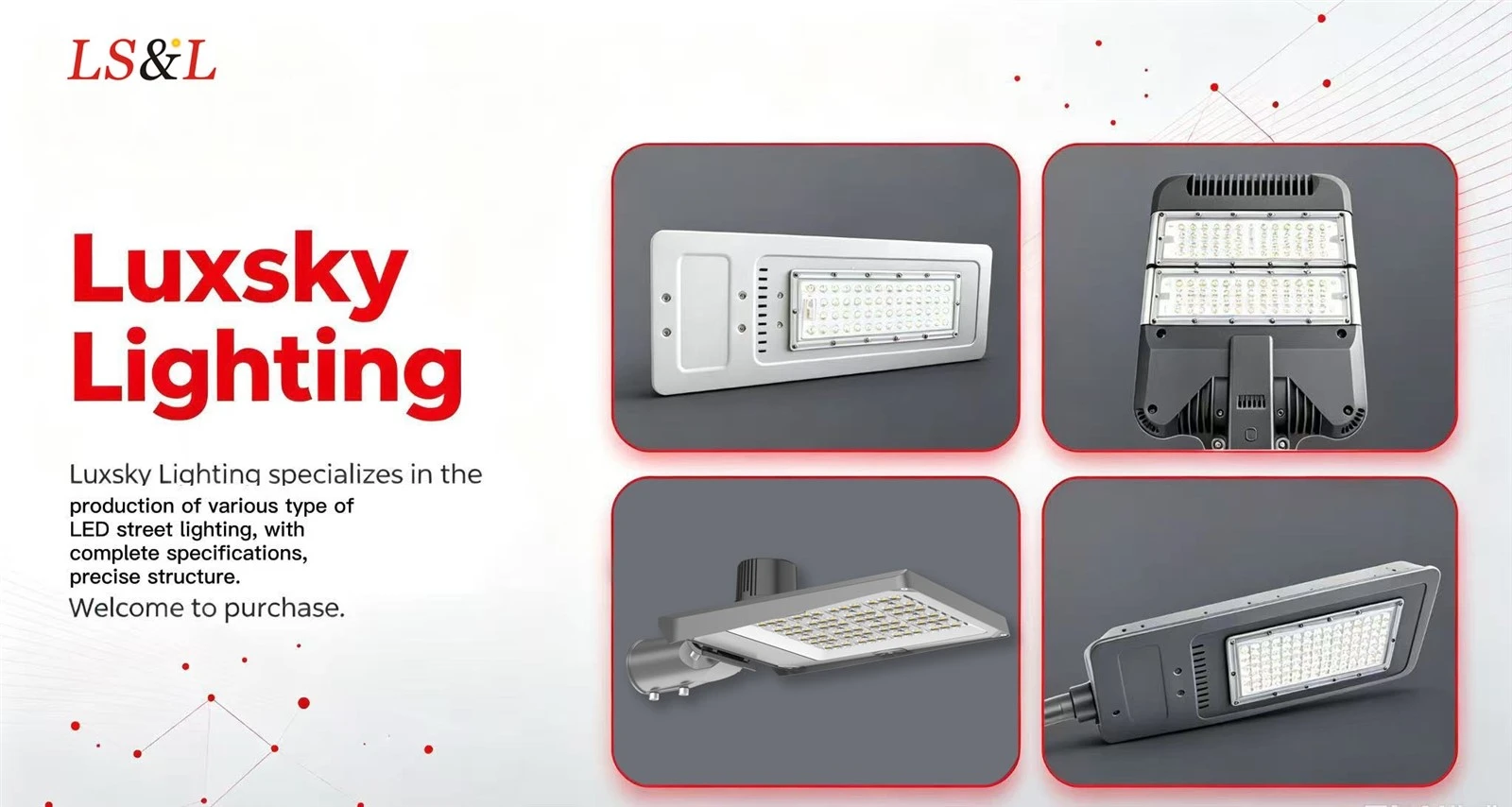
Luxsky Lighting has always committed to the L70 standard as our core benchmark, strictly following our principle of Strict quality control LED engineering lighting in production. Whether it's our Smart outdoor light series or our full range of roadway led lighting products, every fixture goes through complete lumen depreciation testing and long-term stability verification. If you're looking for an LED street light supplier that truly takes product lifespan seriously, feel free to reach out - we'd be glad to provide your project with a professional technical solution and long-term quality assurance.