I've been in the LED lighting export business for many years, and whenever I go over warranty terms with a customer, "lumen depreciation warranty" is almost always one of the clauses we go through in detail. Many customers encountering this concept for the first time tend to mix up "warranty period" and "depreciation percentage" - but these are actually two separate, interrelated metrics. Today I want to share what I've learned from years of working on roadway LED lighting projects to break this down clearly.
What Is Lumen Depreciation
Let me start with a quick explanation. Lumen depreciation refers to the gradual decline in brightness that LED fixtures experience over long-term use. This is an inherent characteristic of LED light sources - no matter how good the brand or how advanced the manufacturing, this physical phenomenon can't be fully eliminated. It can only be slowed down through better design and material selection.
What Does Lumen Depreciation Percentage Mean
Lumen depreciation percentage refers to the proportion of brightness a fixture retains, relative to its initial output, at a specific point in time. For example, a common claim is "lumen depreciation under 10% within 3 years," meaning that after 3 full years of use, the measured brightness should still remain above 90% of the original output.
The industry also commonly uses metrics like L70 and L80, which we've discussed before - these are essentially different ways of expressing the same concept of lumen depreciation percentage.
What Is the Lumen Depreciation Warranty Period
The lumen depreciation warranty period is essentially how long a supplier is willing to stand behind their depreciation percentage claim. For example, two manufacturers might both promise "lumen depreciation under 10%," but one might only guarantee it for 3 years, while another guarantees it for 5 years or longer. This gap actually reflects a real difference in material quality and quality control standards.
Here's an important tip for buyers: lumen depreciation percentage and warranty period should always be evaluated together, never in isolation. For example, Manufacturer A promises "under 15% depreciation over 5 years," while Manufacturer B promises "under 10% depreciation over 3 years." At first glance, Manufacturer B's number looks better, but when you normalize both claims across the same time frame, Manufacturer A's actual depreciation rate may well be slower, and their product more stable overall.
Core Factors That Affect Lumen Depreciation Speed
After years of working on roadway LED lighting projects, I've identified the key factors that truly determine how fast or slow lumen depreciation occurs:
1. LED chip quality: The lumen depreciation control of top-tier branded chips is on an entirely different level compared to unbranded, low-cost chips - this is the single most decisive factor in overall depreciation performance.
2. Thermal design: The higher the operating temperature of an LED chip, the faster lumen depreciation occurs. Good thermal structure design effectively lowers junction temperature, slowing down depreciation at the source.
3. Reasonable driving current: Some manufacturers push driving current very high to achieve higher lumen output figures on paper - the fixture looks brighter in the short term, but lumen depreciation accelerates noticeably over the long run. This is exactly why we hold firmly to our principle of Strict quality control LED engineering lighting, and refuse to blindly inflate specs.
4. Materials and manufacturing process: This includes the weather resistance of encapsulation materials and the composition of heat sink components - all of which directly affect a fixture's long-term outdoor lumen depreciation performance, especially critical for Smart outdoor light projects that require stable, long-term operation.
Advice for Buyers
If you're currently selecting LED street lights for a project, here's what to focus on:
Always ask suppliers to clearly specify both the lumen depreciation percentage and the corresponding warranty period - neither should be evaluated alone;
Request third-party authoritative test reports (such as LM-80 and TM-21), rather than relying solely on verbal promises;
Factor in your project's actual operating conditions (high heat, high humidity, salt spray environments, etc.) to comprehensively assess whether the product can truly meet the claimed standard.
Conclusion
The lumen depreciation warranty period and lumen depreciation percentage are core indicators of an LED street light's long-term value - the two must be considered together to accurately judge a product's true reliability.
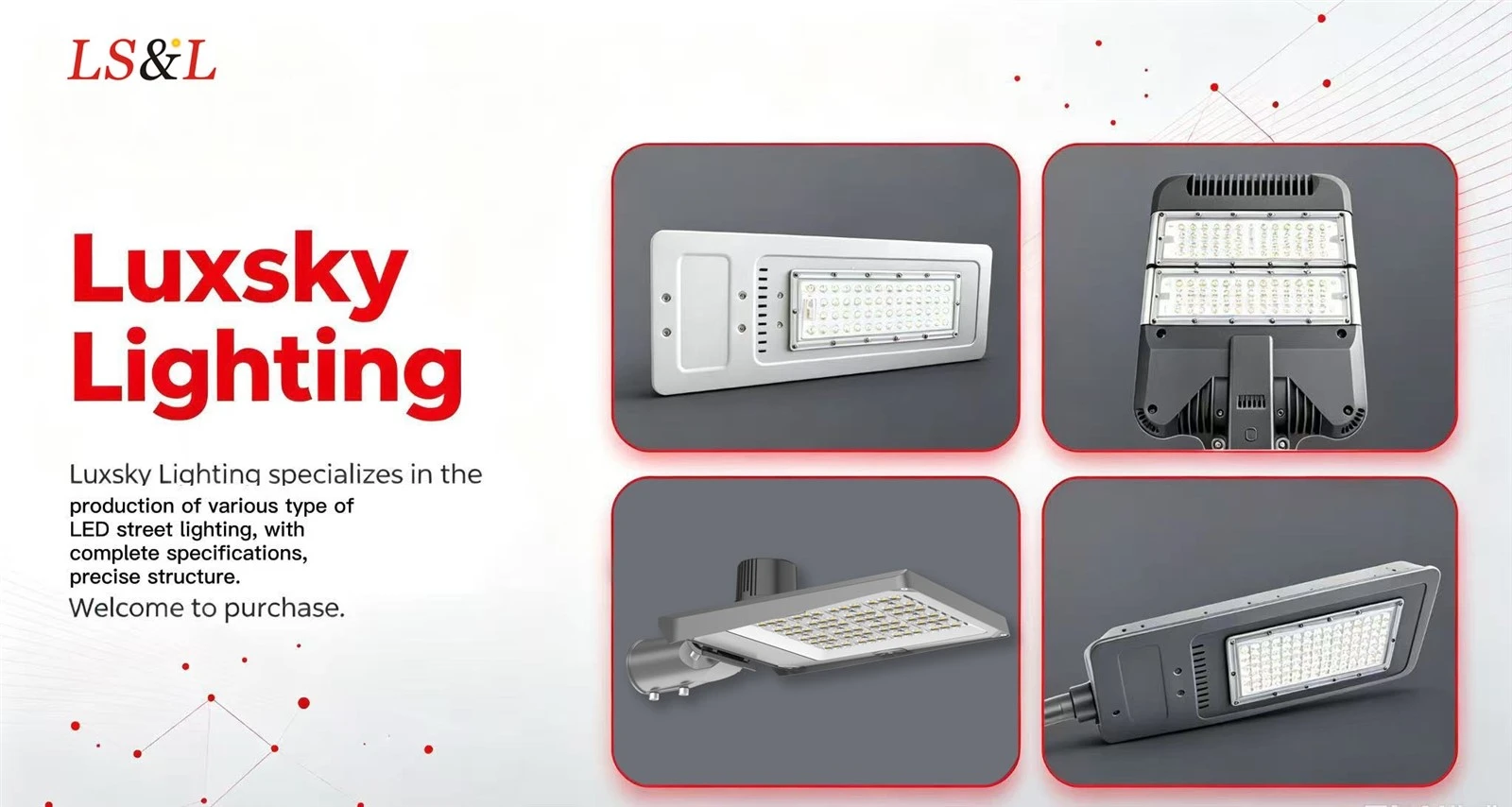
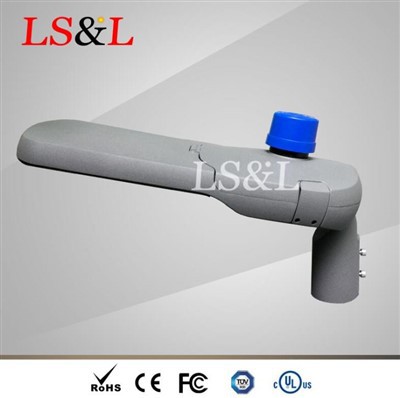
Luxsky Lighting has always upheld our principle of Strict quality control in LED engineering and lighting throughout production, from chip selection to thermal design, with every stage focused on slowing lumen depreciation and extending service life. Whether it's our Smart outdoor light series or our roadway LED lighting products, we back every fixture with a documented, time-tested lumen depreciation warranty. If you're looking for an LED street light supplier that truly cares about long-term performance, feel free to reach out - we'd be glad to provide you with a professional technical solution and reliable quality assurance.