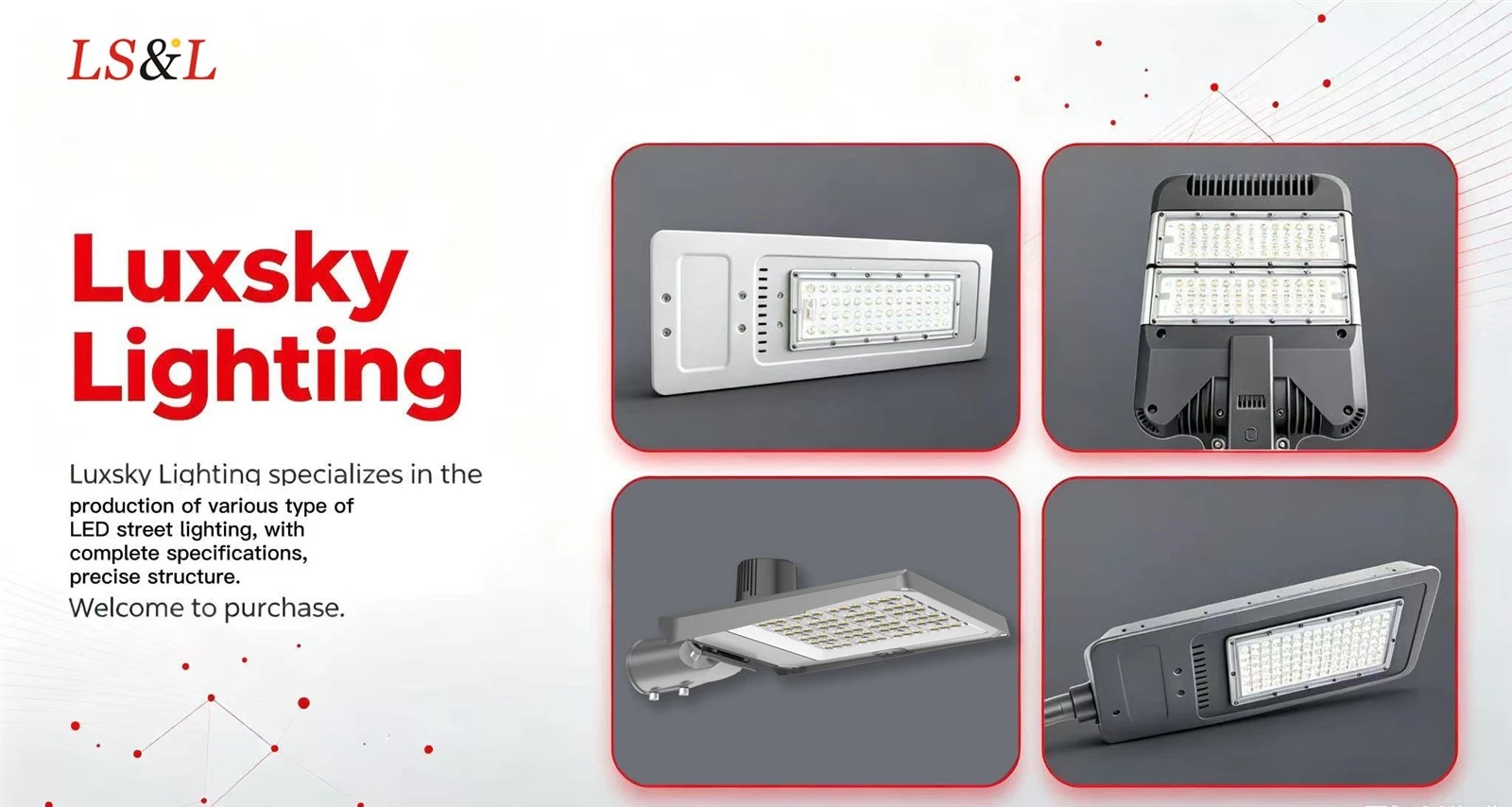
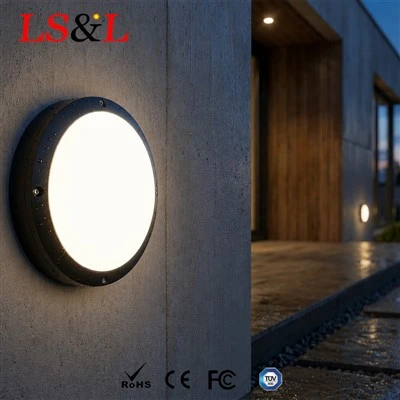
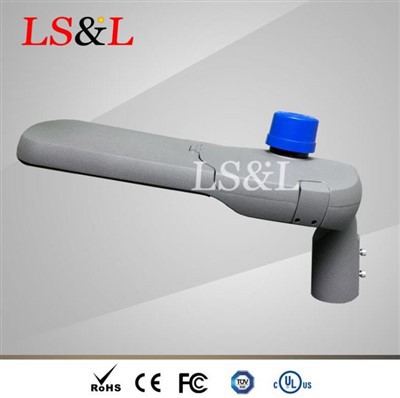
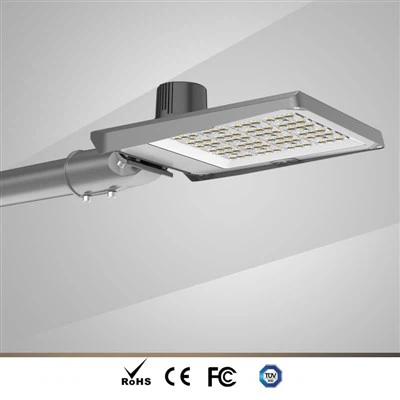
As an LED street light manufacturer with more than twelve years of export experience, I have supplied lighting to farms, logistics parks, hospitals and industrial zones in the Middle East, Southeast Asia, Africa and South America. A farm manager in a tropical region once told me: "After the first rainy season, half of our lights had water inside, and the other half were covered in green mold." Rain and humidity are the quiet killers of outdoor lighting, and a farm adds ammonia, fertilizer and washing on top. Here is how I advise customers in wet climates.
Choose IP66 or Higher and Check the Sealing
In a rainy climate, IP66 is the minimum for LED street lights for farms. It handles driving rain, storms and high-pressure washing far better than IP65. But the label is not enough. Water usually enters through poor gaskets, weak cable glands, cheap driver compartments or missing breather valves. A breather valve lets the fixture "breathe" without letting water in, so humid air does not condense inside the lens. Ask for a third-party test report, not only a claim on the datasheet.
Fight Corrosion and Mold
Constant moisture corrodes housings, screws and brackets, especially near livestock, where ammonia and fertilizer make the air more aggressive. Choose a die-cast aluminum housing with an anti-corrosion powder coating, stainless or well-coated fasteners and a sealed driver compartment. Use a UV-resistant lens that will not turn yellow under strong sun after the rain. Poor housings in humid barn areas often fail within one or two years.
Protect Against Lightning and Surges
Rainy seasons often bring thunderstorms, and open farmland attracts lightning. I recommend built-in surge protection of 6kV to 10kV, an external SPD at the pole base in storm-prone areas and low-resistance grounding for every pole. Wet ground also affects grounding, so follow your local electrical code and your engineer's design. This one step prevents the situation where a whole row of lights fails after a single storm.
Keep Light Quality Good in Rain and Mist
Rain, mist and wet roads scatter light and increase glare, and a tractor driver can be dazzled, even for two seconds. Choose cut-off optics, keep the tilt near zero degrees and avoid very cold light of 5000K or above, which scatters more in mist. A color temperature of 3000K to 4000K is a good balance, with 4000K on roads and yards. Confirm the layout with a DIALux simulation using real IES files. Quality LEDs already save about 50% to 70% electricity compared with old sodium or metal halide lamps, and photocells, motion sensors and dimming add more. Solar versions can suit remote areas, but they need enough sunlight and battery capacity for cloudy, rainy weeks. These values are general references, so follow your local standard.
Choose a Supplier Who Stands Behind the Product
Water damage often appears months after installation, so a real warranty matters. Replacing one fixture on a 6-meter pole in muddy ground means hiring equipment and stopping work, so I suggest an LED lighting supplier with 5 year warranty and a real factory behind it. As an LED lighting OEM manufacturer, we also customize wattage, beam angle, color temperature and branding for project buyers and distributors. Our quality standard includes:
- Branded LED chips and drivers, 100% aging test before packing
- Die-cast aluminum housing, IP66 / IK08, 6kV to 10kV surge protection, CE and RoHS certified, with real IES files and test reports for DIALux design
When a customer asks me for a 5-year warranty, I can say yes with confidence, because we test before shipment, not after complaints.
Conclusion
For rainy, humid farms, choose IP66 or higher with good sealing, anti-corrosion protection, surge protection and low-glare optics. Our LED street lights are built with strict quality control, so they stay bright, stable and dependable through every rainy season.
If you are planning a new farm project or upgrading an old one, choose Luxsky Lighting. Contact us today for a free DIALux layout and a competitive quote.