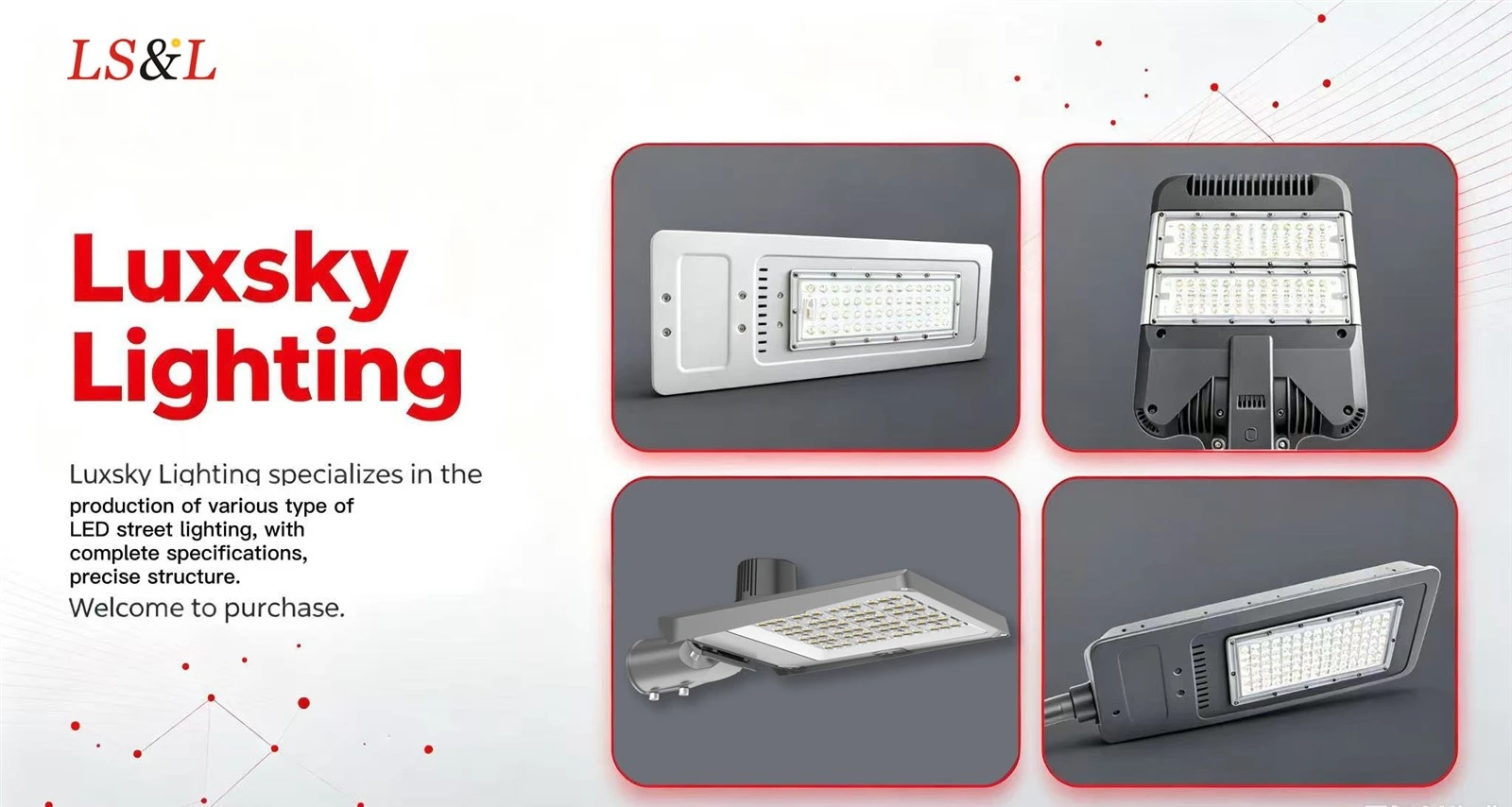
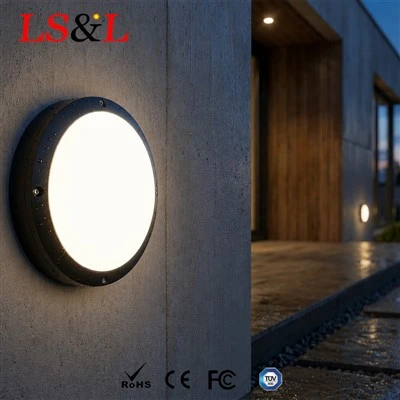
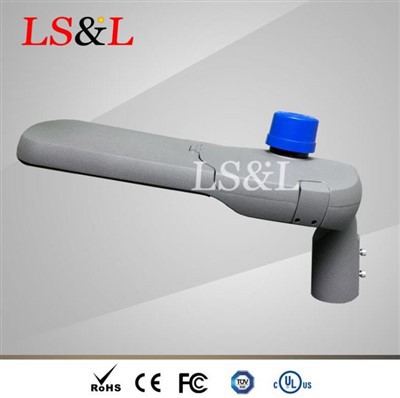
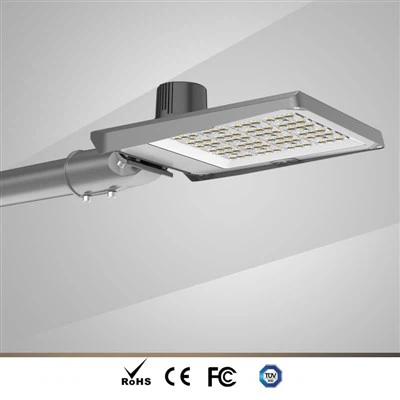
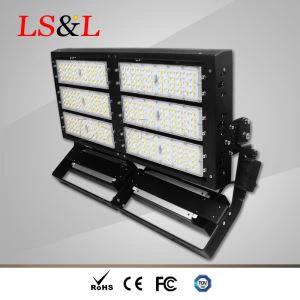
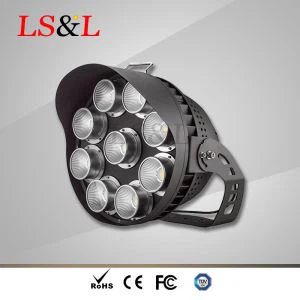
After more than twenty years in foreign trade, I have handled quite a few farm outdoor lighting projects. In the field, day–night temperature differences are large, and humidity stays high in the rainy season and near ponds or livestock areas. Condensation forms easily inside fixtures; once seals age, moisture works into the driver and light source. For farm LED street lights to run stably long term in this climate, protection, heat dissipation, and material choice must all be done well. Drawing from practical experience, here is how to cope with high humidity and temperature variation.
Protection Rating Is the First Line of Defense
In high humidity, the first task is to keep moisture out. Use at least IP65 outdoors; in rainy areas, places prone to condensation, or sections wrapped in water vapor, IP66 is more strongly recommended to reduce water and moisture entering the housing. An experienced LED street light manufacturer usually treats high protection as basic configuration for farm schemes.
Sealing and "Breathing" Design Must Handle Expansion and Contraction
When temperature swings are large, pressure inside and outside the luminaire changes and the fixture "breathes." If sealing is poorly designed, humid air is drawn in and then condenses. Mature structures keep the IP rating while managing seal materials and cavity design to limit condensation buildup. A capable LED lighting OEM manufacturer emphasizes this kind of long-term climate verification, not only short waterproof tests.
Heat Dissipation and Moisture Protection Must Be Considered Together
When humidity is high, poor heat dissipation lets temperature and moisture inside the cavity interact and age the driver faster. A clear thermal path and adequate cooling area help control temperature rise. Selecting products from an LED lighting supplier with 5 year warranty also gives better assurance for components and workmanship under thermal cycling.
Installation Details Make a Large Difference
Cable exits facing downward, waterproof joints, and avoiding positions where the head sits in a water-collecting hollow all reduce moisture ingress. Do not damage gaskets during installation, or even a high nominal IP rating can fail early.
Inspect Seals and Drainage Regularly
Before and after the rainy season, check housings and joints for signs of water entry, clean surface dirt, and keep heat-dissipation and sealing faces in normal condition-a practical way to extend service life.
Conclusion
For farm LED street lights to cope with high humidity and temperature swings, the keys are adequate IP protection, sealing that handles thermal expansion and contraction, good heat dissipation, and proper installation and maintenance. Selecting a reliable LED street light manufacturer and a capable LED lighting OEM manufacturer, especially an LED lighting supplier with 5 year warranty, improves adaptability to field climates. Luxsky Lighting specializes in LED street lights with stable quality and solid after-sales support. If you are selecting street lights for farms in high-humidity, high day–night temperature-difference regions, feel free to contact us directly for tailored protection advice and LED street light solutions-reliable products that help you keep nighttime lighting truly stable.