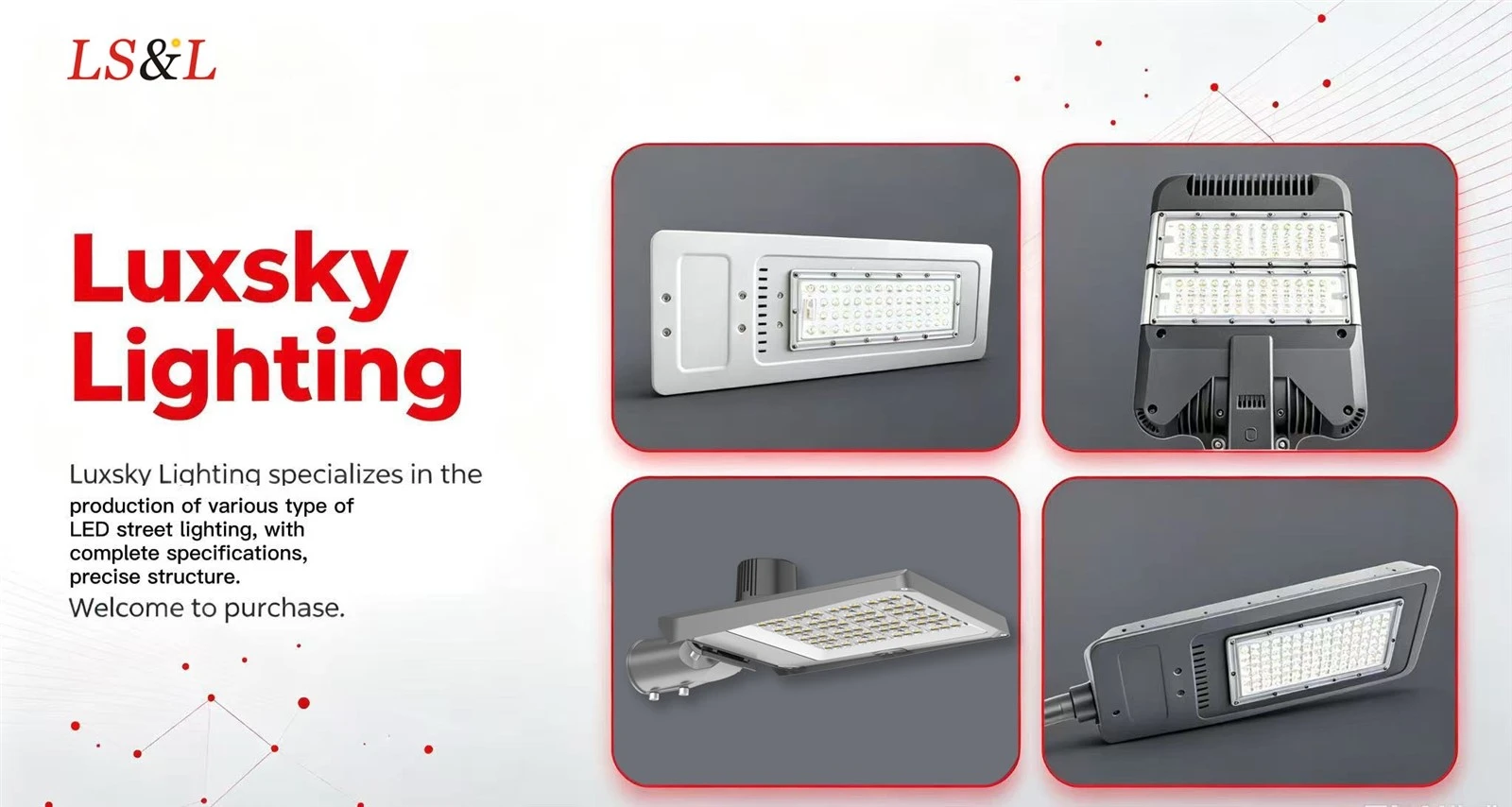
As an LED street light manufacturer with more than twelve years of export experience, I have supplied lighting to hospitals, logistics parks, campuses and industrial zones in the Middle East, Southeast Asia, Africa and South America. Smart hospital buyers do not only ask "How much?" They ask the right questions before placing the order. A hospital has ambulances arriving at speed, patient rooms close to the poles and tired people walking at night, so a wrong choice costs more than money. Here are the questions I recommend.
Are You a Real Factory or a Trading Company?
Ask for factory photos, a production line video, a business license and, if possible, a video call or on-site audit. A real LED lighting OEM manufacturer can explain its process, control its quality and respond fast when a problem appears. Also ask whether the factory can customize wattage, beam angle, color temperature, housing and branding for your project or your own market.
Which Chips, Drivers and Materials Do You Use?
The chip, driver and housing decide most of the product life. Ask for the brand and model of the LED chip and driver in writing, and check that they match the real product. Ask about the housing material (die-cast aluminum is the usual choice), heat dissipation and coating. Good LED street lights for hospitals should also use flicker-free drivers and list IP66, IK08 and surge protection of 6kV to 10kV, with test reports to prove it.
Can You Provide Real IES Files and Hospital-Specific Design Support?
This question separates serious suppliers from the rest. Ask for real IES files for each model, plus test reports and certificates such as CE and RoHS, and check that they belong to the model you are buying. Then ask whether the supplier can prepare a DIALux layout that checks glare for drivers and vertical illuminance at patient windows. A driver can be dazzled, even for two seconds, and strong light entering wards disturbs sleep, so a hospital needs more than a standard road design.
What Are Your Warranty and Quality Control Policies?
Ask how many tests each fixture passes before shipment, such as aging, waterproof and electrical safety tests. Then read the warranty terms: how many years, what is covered, who pays shipping for replacements and how fast the supplier responds. Replacing one fixture on an 8-meter pole means hiring a lift, closing a lane and disturbing hospital operations, so I suggest an LED lighting supplier with 5 year warranty and a clear after-sales process in writing.
What About Dimming, Samples and Project Support?
Ask whether the fixtures support 0-10V, DALI or PWM dimming, and whether smart control or remote monitoring is available. Quiet areas can dim at night, but ambulance routes and the emergency entrance should keep a stable level. Quality LEDs already save about 50% to 70% electricity compared with old sodium lamps, and a reliable supplier should help you estimate payback. Ask for samples before the bulk order, and confirm lead time, packing, shipping terms and spare parts. Our quality standard includes:
- Branded LED chips and flicker-free drivers, 100% aging test before packing
- Die-cast aluminum housing, IP66 / IK08, 6kV to 10kV surge protection, CE and RoHS certified, with real IES files and test reports for DIALux design
When a customer asks me for a 5-year warranty, I can say yes with confidence, because we test before shipment, not after complaints.
Conclusion
Before you buy, ask about the factory, the components, the IES data, the warranty and the project support. A supplier who answers clearly and shows documents is usually one you can trust. Our LED street lights are built with strict quality control, so they stay bright, stable and dependable for years.
If you are planning a new hospital project or upgrading an old one, choose Luxsky Lighting. Contact us today for a free DIALux layout and a competitive quote.