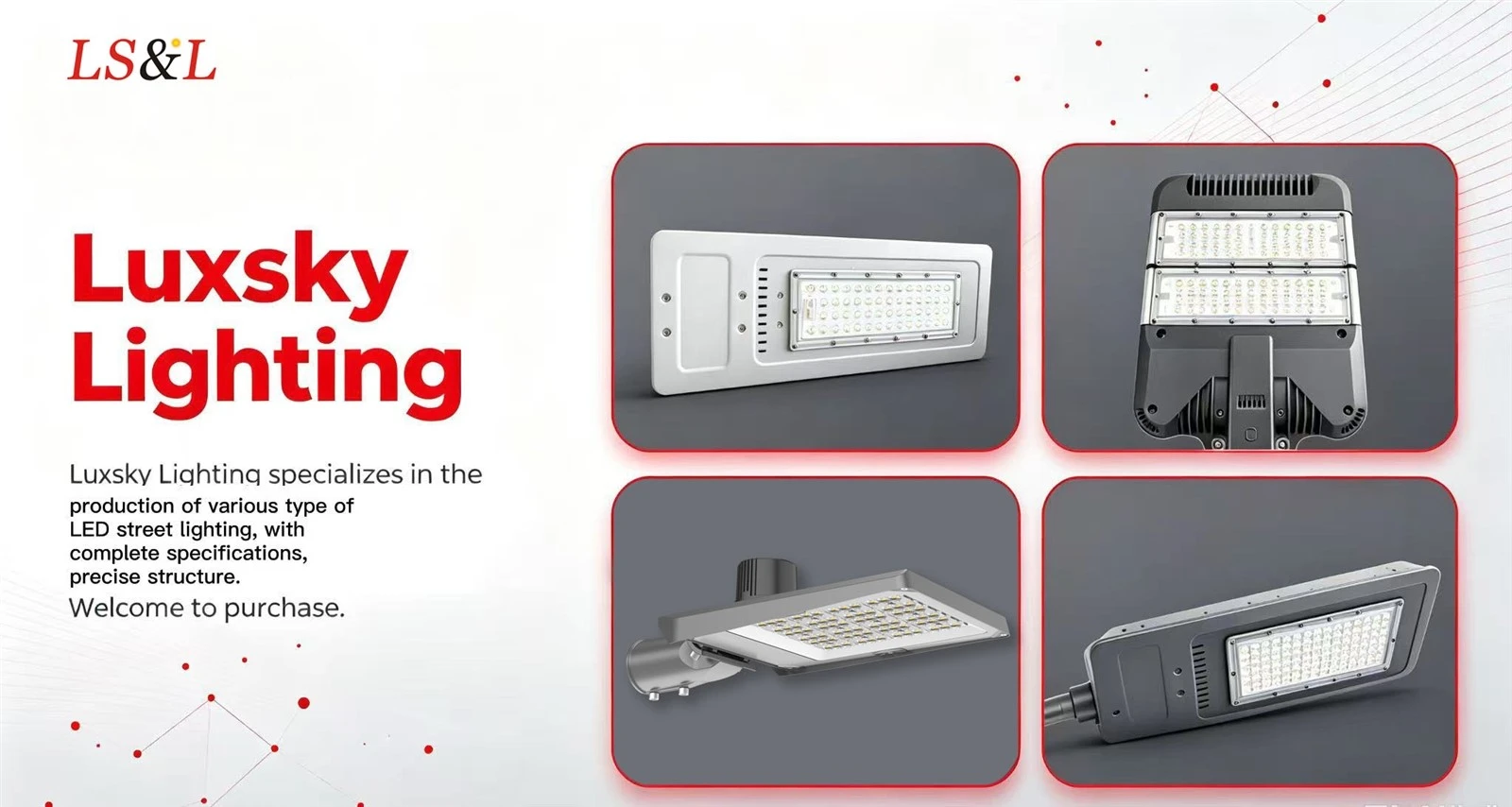
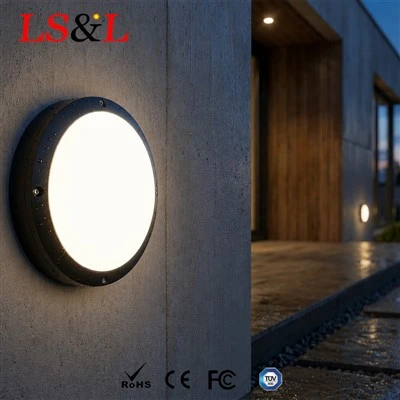
After more than twenty years in foreign trade, I have handled quite a few hospital outdoor lighting procurements. Many clients initially focus only on power and price, then find strong glare, poor uniformity, or frequent failures after installation. Hospitals have patients, families, and nighttime emergency traffic; the right parameters make a real difference to safety and comfort. Drawing from practical experience, here are the technical parameters worth prioritizing when purchasing.
Luminous Efficacy, Optics, and Actual Illuminance
Luminous efficacy (lm/W) affects electricity cost, but you also need optics suited to roads and parking areas-otherwise high efficacy may not become uniform pavement illuminance. Ask for photometric data such as IES files to support simulation. An experienced LED street light manufacturer can usually match optics to the scenario rather than only quoting a lumen figure.
Color Temperature and Color Rendering Index
For outdoor hospital environments, neutral white around 4000K is common: clear enough yet more comfortable, with less of a cold, harsh feel. A color rendering index (CRI) of 80 or above is recommended to help identify signs and road conditions. On paths used by many elderly people, comfort often matters more than "the whiter the better."
Protection and Structural Strength
IP65 is the basic outdoor threshold; IP66 may be considered in rainy areas or zones that are washed down. Also check the housing, sealing, and resistance to wind and vibration. A capable LED lighting OEM manufacturer is usually more solid on protection and structural design.
Driver and Electrical Protection
The driver determines flicker and tolerance to voltage fluctuations. Prefer wide input voltage and protections such as over-voltage, over-current, and over-temperature. Hospital lighting hours are long, so driver reliability directly affects outage risk.
Lifespan, Light Decay, and Warranty
Review rated lifespan and light-decay control together with warranty terms. Selecting an LED lighting supplier with 5 year warranty usually means stronger materials and aging tests, and more peace of mind in later maintenance.
Anti-Glare Performance and Installation Fit
Clarify cutoff/shielding, recommended mounting height, and spacing so you do not discover light shooting into windows or harsh glare only after installation. Parameters must match on-site pole height and road width.
Conclusion
When purchasing hospital LED Street Lights, focus on efficacy and optics, color temperature and CRI, protection, driver, light decay and warranty, and anti-glare performance-not only power and unit price. Selecting a reliable LED street light manufacturer and a capable LED lighting OEM manufacturer, especially an LED lighting supplier with 5 year warranty, helps keep parameters aligned with real performance. Luxsky Lighting specializes in LED street lights with stable quality and solid after-sales support. If you are purchasing outdoor street lights for a hospital, feel free to contact us directly for detailed technical parameters and tailored solutions-reliable products that help you get the selection right.