After years in this trade, I get asked the same question almost every week: "What hot-dip galvanizing thickness should our light poles actually have?" It sounds simple, but the answer depends on several variables - material, process, and the environment where the pole will live. Let's break it down in plain terms.
Thicker Isn't Always Better - It's About Matching the Environment
A common misconception among first-time buyers is that thicker galvanizing is always safer. In reality, the international standard ISO 1461 sets clear thickness requirements based on steel wall thickness:
Steel thickness> 6 mm: galvanizing coating should generally be> 85 μm
Steel thickness 3- 6 mm: galvanizing coating should generally be> 70 μm
Steel thickness 1.5- 3 mm: galvanizing coating should generally be> 55 μm
For standard urban street lighting poles, a range of 65-86μm is usually reasonable, providing 15-25 years of corrosion resistance. But for coastal areas, high-salinity, or high-humidity regions, we typically recommend increasing to 100μm or more, combined with epoxy powder coating for dual-layer protection. This is a point we emphasize repeatedly with clients on roadway LED lighting projects.
Galvanizing Thickness Reflects Strict Quality Control
Galvanizing is just one part of a pole's overall quality. What really determines whether a pole can withstand a decade or more of wind and weather is the full Strict quality control process: raw steel material inspection, surface preparation to Sa2.5 cleanliness grade, zinc bath purity control, precise time and temperature during galvanizing, and final coating-thickness spot checks with third-party test reports. This is also the core benchmark we use to judge whether an LED engineering lighting supplier is truly reliable - not by what they claim, but by whether they have complete inspection data backed by SGS or other third-party reports.
The Pole Is Just the Carrier - Fixture Quality Matters Just as Much
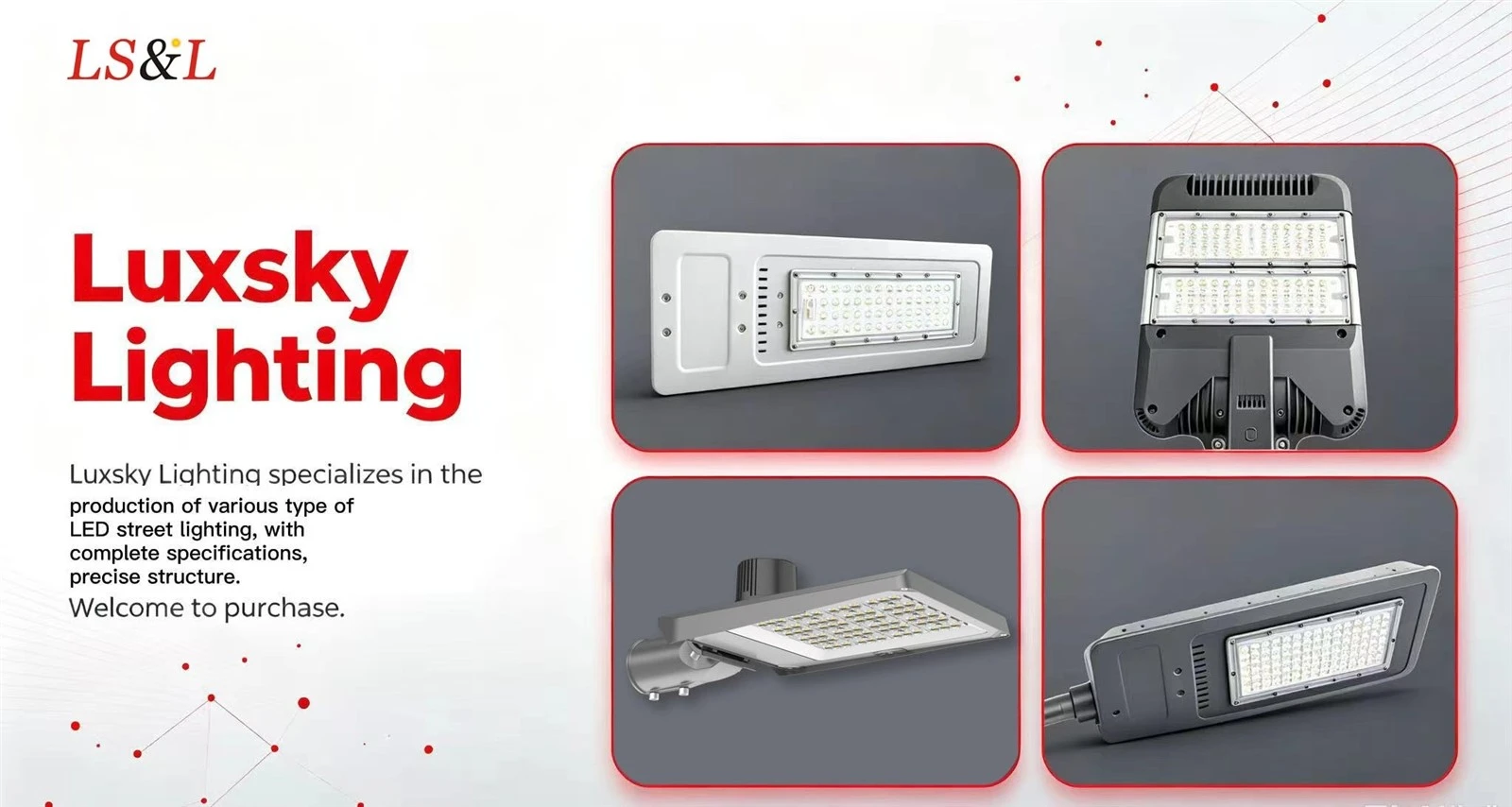
After discussing galvanizing, clients often ask: "So how good are your light fixtures?" It's a fair question, because even the most durable pole is wasted if paired with a fixture that loses efficiency within three years. Today's more mature market solutions are built around Smart outdoor light systems - remote dimming, fault alerts, and on-demand illumination - which save energy and simplify long-term maintenance. This is exactly the kind of feature that municipal projects in Europe, the US, and the Middle East scrutinize during tenders.
Practical Recommendations for Buyers
If you're selecting poles and fixtures for a project, here's a simple checklist:
- Confirm the climate conditions of your project location (coastal / inland / industrial);
- Match the galvanizing thickness standard to your steel's wall thickness;
- Request coating-thickness inspection reports and salt spray test reports from your supplier;
- Prioritize fixtures with smart control features under a Smart outdoor light solution for lower long-term operating costs.
Conclusion
After years in the outdoor lighting export business, I've come to believe one thing: details determine lifespan, and standards determine reputation. Hot-dip galvanizing thickness may look like a small number, but it's actually a litmus test for whether a manufacturer truly takes quality seriously. At Luxsky Lighting, every piece of steel, every galvanizing process, and every batch's coating-thickness inspection before shipment strictly follows international standards - paired with a complete LED engineering lighting solution, from poles to fixtures, delivered as a one-stop, high-quality product line.
If you're looking for a reliable, experienced light pole supplier that provides complete inspection reports, feel free to contact Luxsky Lighting. We're happy to recommend the right galvanizing thickness and quote based on your project's environment - helping you choose the right supplier the first time.