In road and industrial park lighting projects, many project managers hesitate over whether wall thickness and light-pole materials must be strictly controlled. As a veteran with many years of experience in the foreign trade lighting industry, I have seen too many cases where insufficient wall thickness or incorrect material selection led to nighttime shaking, accelerated corrosion, or even customer complaints. Today, drawing on practical engineering experience, I will discuss why light poles must prioritize wall thickness and material requirements, and how this closely relates to Strict quality control in LED engineering lighting, Smart outdoor light, and roadway LED lighting.
Why Must Wall Thickness and Material of Light Poles Be Strictly Required?
The light pole is the load-bearing framework of the entire roadway LED lighting system, directly determining the installation height of luminaires, wind resistance, and long-term safety. Outdoor environments continuously face wind, rain, salt spray, ultraviolet rays, and vehicle vibrations. If the wall thickness is inadequate or the material fails to meet standards, deformation, weld fatigue, or rust perforation can easily occur, increasing the risk of collapse and safety accidents.
Ordinary steel or arbitrary wall thickness often cannot be directly applied to high-requirement projects. A professional roadway LED lighting solution needs precise matching based on different heights and wind loads, ensuring structural strength while controlling overall weight and cost. Truly reliable light poles must be built on a foundation of Strict quality control in LED engineering lighting, from steel plate composition and wall-thickness measurement to galvanizing and powder coating.
Key Requirements for Wall Thickness and Material
Targeted Material Selection
High-quality carbon steel (Q235 or Q345) is the mainstream choice, offering good toughness and reliable welding. In coastal or highly corrosive areas, enhanced galvanizing or higher-grade materials can be considered. High-quality roadway LED lighting supporting poles lock in qualified steel plates from the raw material stage to prevent mixed inferior steel.
Precise Matching of Wall Thickness with Height and Wind Pressure
For 8-12 meter roadway light poles, the bottom wall thickness is typically controlled at 3.5-6 mm. The tapered design ensures strength while saving material. Too thick or too thin both create hazards. Professional design calculates based on local basic wind pressure and the windward area of the luminaires.
Surface Treatment and Long-Term Protection
Hot-dip galvanizing plus powder coating is the standard configuration, with galvanizing layer thickness recommended above 65 μm. Smart outdoor light systems place higher demands on pole stability; inadequate surface treatment will directly affect the long-term reliable operation of intelligent control modules.
Full-Process Quality Verification
From cutting, rolling, and welding to factory delivery, material certificates, wall thickness measurement reports, and non-destructive testing records must be provided. Strict quality control in LED engineering lighting ensures every pole remains stable under complex working conditions through complete testing processes.
These requirements may seem simple, but actual implementation requires combining site conditions, mechanical calculations, and practical verification. Only suppliers with a complete quality system can provide solutions that meet safety standards while offering engineering-level reliability.
Practical Value of Strict Requirements
In foreign trade projects, customers care most about the safety performance and maintenance costs after installation. Proper wall thickness and material significantly improve wind resistance and corrosion durability, reduce the risk of later rectifications, and leave a professional, standardized first impression on visiting clients. Many successful cases prove that reasonable wall thickness and material solutions combined with Smart outdoor light intelligent control not only enhance overall system reliability but also achieve lower long-term operating costs.
Conversely, if only minimum standards are followed, repeated rectifications due to deformation or rust later will result in higher costs and damage overall cooperation trust.
Conclusion
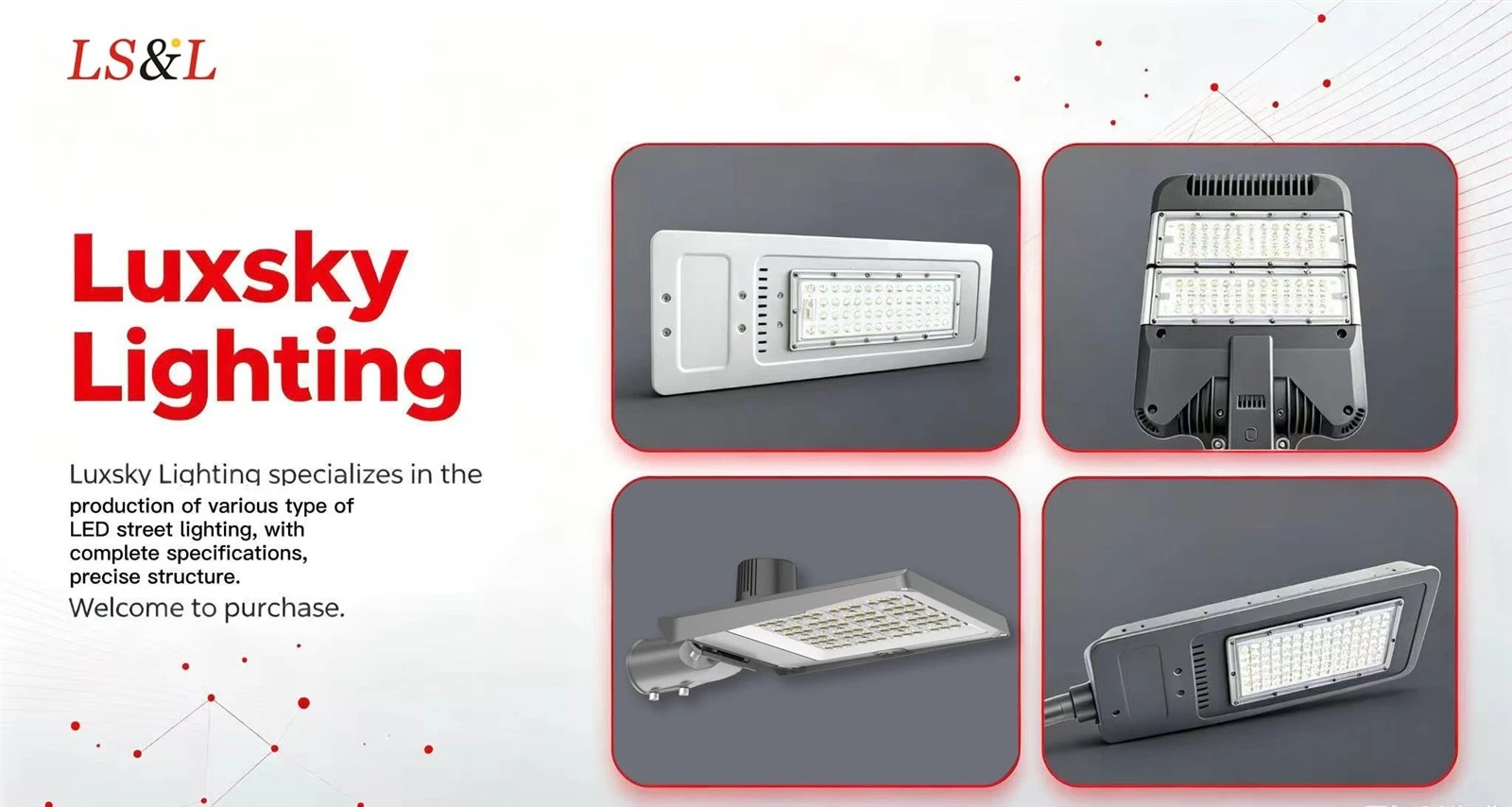
Our street lights always put light pole wall thickness, material, and strict quality control first. The products perform stably in actual factory and road projects with a solid reputation. If you are looking for reliable roadway LED lighting or Smart outdoor light solutions, please contact Luxsky Lighting directly and choose our professional LED street light products to make lighting truly safe, professional, and efficient.