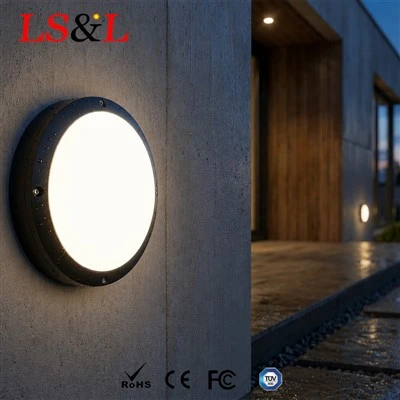
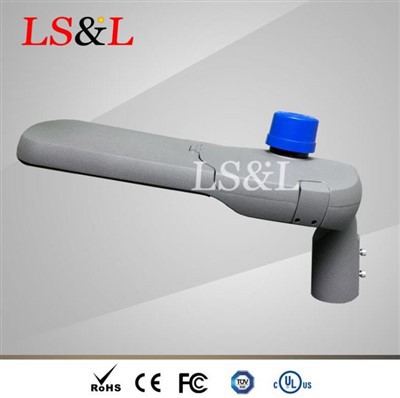
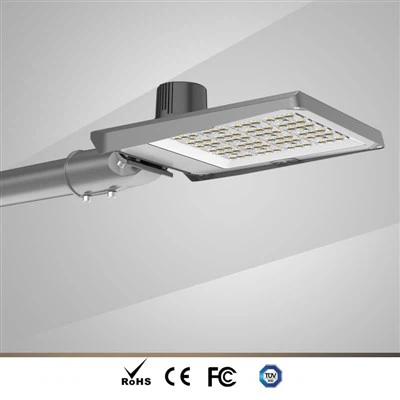
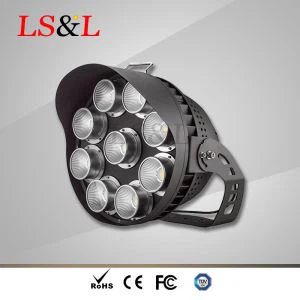
In the field of urban road lighting, high-pressure sodium (HPS) lamps once dominated for a long time. With mature technology and relatively low initial costs, they provided illumination for countless streets over the past decades. In recent years, however, LED street lights have been rapidly replacing them and becoming the mainstream choice for municipal lighting. This shift is no accident-it is driven by multiple advantages in energy efficiency, lifespan, color rendering, environmental friendliness, intelligent control, and total cost of ownership.
Below, we systematically explain why LED street lights are comprehensively replacing high-pressure sodium lamps, based on the key comparisons between the two technologies.
Different Light-Emitting Principles Determine Fundamental Performance Gaps
LED lights emit light through light-emitting diodes, while high-pressure sodium lamps rely on sodium vapor discharge. This essential difference directly leads to comprehensive advantages in energy efficiency, lifespan, startup speed, and other aspects.
Significantly Higher Energy Efficiency and Luminous Efficacy
LED street lights typically achieve a luminous efficacy of 100–200 lm/W, with an electrical energy conversion rate as high as 80%–90%. In contrast, high-pressure sodium lamps offer only 80–150 lm/W and a conversion rate of just 30%–40%. This means that under the same illuminance requirements, LED street lights consume far less electricity and deliver outstanding energy savings. For large-scale municipal street lighting, the long-term savings on electricity bills are substantial.
Longer Lifespan and Greatly Reduced Maintenance Costs
LED street lights generally last 50,000 to 100,000 hours and require almost no frequent maintenance. High-pressure sodium lamps, by comparison, typically last only 15,000 to 24,000 hours and incur higher maintenance costs. As outdoor public facilities, widespread failures of street lights not only compromise nighttime travel safety but also generate high repair expenses involving cranes and labor. The superior lifespan gives LED street lights a clear economic advantage in long-term operation.
Better Color Rendering and More Comfortable, Controllable Light Color
LED street lights feature a high color rendering index, which more accurately reproduces object colors. Their color temperature is also adjustable, allowing flexible matching according to road type and scene requirements. High-pressure sodium lamps have poor color rendering, with a single yellowish light color that easily causes visual fatigue. Superior color rendering and adjustable light color enhance visual comfort and safety for drivers and pedestrians at night.
Superior Environmental Performance
LED street lights contain no mercury or other hazardous substances and are relatively easy to dispose of after use. High-pressure sodium lamps contain mercury and require specialized recycling to avoid environmental pollution. In an era that increasingly prioritizes green and low-carbon development, this environmental advantage has become an important reason for the preferential selection of LED street lights.
Fast Startup and Support for Intelligent Control
LED street lights turn on instantly without preheating and support intelligent dimming as well as rapid response to control signals, making them easy to integrate into smart lighting systems. High-pressure sodium lamps start slowly, require preheating to reach full brightness, and need cooling time before restarting after being switched off, resulting in poor control flexibility. Intelligent controllability enables LED street lights to better meet the demands of refined management in modern urban lighting systems.
Lower Overall Costs
Although the initial purchase cost of LED street lights is usually higher than that of high-pressure sodium lamps, their significant energy savings, ultra-long lifespan, and low maintenance requirements result in substantially lower long-term operating costs. The total cost of ownership over the full life cycle is actually more advantageous. More and more municipal authorities have shifted from focusing solely on the "initial purchase price" to considering the "total cost of ownership," which has further accelerated the adoption of LED street lights.
Summary of Respective Advantages
Overall, LED street lights lead comprehensively in high energy efficiency, ultra-long lifespan, excellent color rendering, environmental friendliness, and intelligent controllability. While high-pressure sodium lamps still offer lower initial costs, good low-temperature stability, and mature technology, they can no longer meet the requirements of modern cities for lighting quality, energy conservation, and smart management.
Conclusion
The replacement of high-pressure sodium lamps by LED street lights is an inevitable result of technological progress combined with practical needs. From energy consumption and lifespan to light quality, environmental performance, and intelligence, LED street lights outperform in nearly every key dimension. As the technology continues to mature and costs further decline, this replacement trend will continue to deepen, becoming the mainstream direction for future urban road lighting.