

In modern home decoration, LED ceiling lights are quite commonly used. However, LED ceiling lights come in a wide variety of types, materials, and quality, making it no easy task to find one that truly meets your needs. Faced with the vast array of ceiling lights available on the market, how should we choose? Let's take a look!
Tip 1: Choose a style based on your decoration style; basic styles are versatile and timeless
Although ceiling lights are not large in size, if chosen well, they can have a great decorative effect, making the ceiling no longer monotonous and boring. It is recommended to purchase ceiling lights after the decoration is completed, as the decoration effect is already fully revealed at this point. We can select the style of the ceiling light based on the room's decoration style to avoid it looking out of place due to mismatching with the decoration style.
For example, American or European-style decor suits ornate, intricate ceiling lights; Chinese-style decor suits vintage, retro ceiling lights; modern minimalist decor suits sleek, fashionable ceiling lights… If you're unsure about style matching, don't worry-opt for simple, elegant ceiling lights. These are versatile and unlikely to go out of style.

Tip 2: Choose the power based on the area; moderate lighting intensity is crucial
Friends with interior design experience often emphasize that home lighting should not be too dim, as living in a dimly lit environment can feel oppressive and gloomy. However, when selecting ceiling lights, one should not solely pursue brightness; moderate lighting intensity is optimal.
To achieve this, it is best to select the power of the ceiling light based on the usage area. Generally, 18-24W is suitable for rooms of 5-10㎡, 24-36W for rooms of 10-15㎡, and 36-48W for rooms of 15-20㎡... Additionally, different spaces have varying requirements for light brightness. Living rooms, dining rooms, and study areas require relatively stronger lighting, while bedrooms, kitchens, and balconies can have relatively weaker lighting. The brightness of each space can vary, but the difference should not be too significant.

Tip 3: Check the lighting effect-even lighting without dark spots is better for your eyes
In addition to choosing the right brightness, there is another important consideration when selecting a ceiling light: whether the lighting is even. If you use an LED ceiling light with uneven lighting, objects in your home will have noticeable differences in brightness when the light is turned on. Living in such a lighting environment for an extended period of time can cause visual fatigue and harm your eyes.
A third-party industry organization once compared the lighting effects of commonly available LED ceiling lights on the market. While the aesthetic differences among the tested LED ceiling lights were not particularly noticeable, the lighting effects they produced when turned on varied significantly. Among them, the eye-friendly LED ceiling light from Luxsky Lighting featured uniform lighting without dark spots, while other LED ceiling lights exhibited varying degrees of uneven lighting.
Tip 4: Choose materials carefully; acrylic lampshades have a higher safety factor
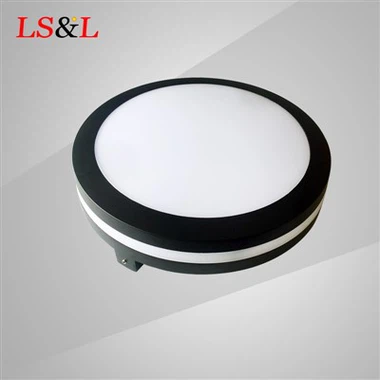
When selecting LED ceiling lights, the material of the lampshade is also an important consideration. If the lampshade is made of fragile material, it may crack or shatter over time, posing a safety hazard. Common lampshade materials on the market include acrylic, plastic, and glass. Here, we strongly recommend acrylic lampshades, which are durable and resistant to breakage. When selecting a light fixture, you can test the softness of the shade by pressing it with your hand; softer is better. As mentioned earlier, the eye-friendly LED ceiling light launched by Luxsky Lighting features an acrylic shade with a soft surface and high safety standards.
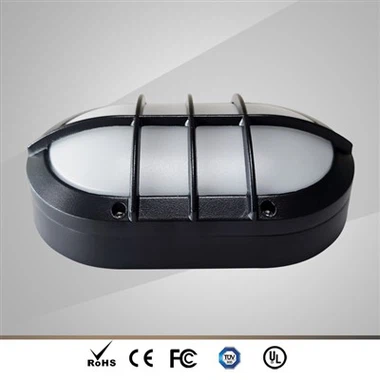
The ceiling light newly lauched by luxsky light has good quality. Click the link to view.
https://www.luxsky-light.com/led-ceiling-lights/retro-industrial-style-waterproof-wall-lamp.html





