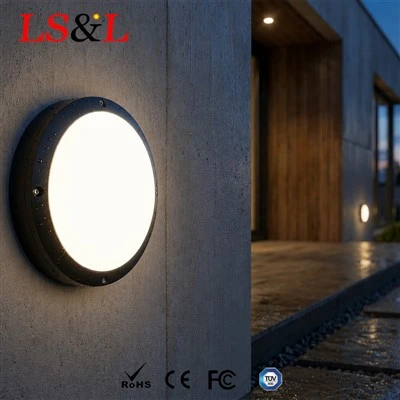
Many overseas factory project clients ask me this question: is it possible to integrate motion sensing and emergency backup in one fixture. With years of experience in this industry, I have handled many such requests. The short answer is yes, but there are pitfalls in product selection and wiring. Poor planning can easily lead to failure of local fire inspections. Below I break down the key points based on real-site engineering experience.
1. Understand the separate working modes
Under normal power supply, this led bulkhead light runs with microwave or PIR motion sensors. It switches on when movement is detected and dims down when the area is vacant, cutting power costs for factory sites. Once mains power fails, the fixture automatically switches to emergency backup mode and stays lit to illuminate escape routes. The two systems trigger independently without conflict, which is the core design requirement for this type of light.
2. Critical parameters to verify during selection
First check battery runtime, as fire codes vary across regions; common rated durations are 90 minutes and 180 minutes. For humid workshops or external walkways, an IP66 bulkhead light offers superior protection against dust and moisture for harsh industrial conditions. Confirm the sensor module can be disabled in emergency mode. It must not rely on motion activation after power loss, which is a frequent non-compliance issue during fire audits.
3. Suitable application scenarios
This all-in-one fixture works well for low-traffic warehouse aisles, auxiliary factory corridors and underground utility rooms. Motion control saves energy daily, while the emergency function activates automatically during outages. It removes the need to source and install two separate lighting systems and lowers installation and maintenance work. I do not recommend it for primary high-risk escape routes. Fire codes for these areas often require constant emergency lighting, and the motion function introduces extra failure risks. Standalone emergency lights are the safer choice here.
4. Common issues to avoid
Many low-cost bulkhead light models simply stack components without isolated circuitry. Their motion sensors remain active during power failure, violating fire standards. Some units also lack battery overcharge and over-discharge protection. Batteries degrade quickly in storage and often fail runtime tests at project acceptance. Always request test reports before ordering to verify emergency performance.
5. Commissioning and maintenance tips
Carry out simulated power cut tests after installation to check switchover speed. Run battery discharge checks every six months to monitor battery health. Prepare certificates and test data in advance if your project needs third-party fire compliance audits.

If you are designing factory lighting and are unsure whether this combined fixture meets your target market regulations, send over your site conditions and standard requirements. I can help match the right solution and prevent compliance failures.