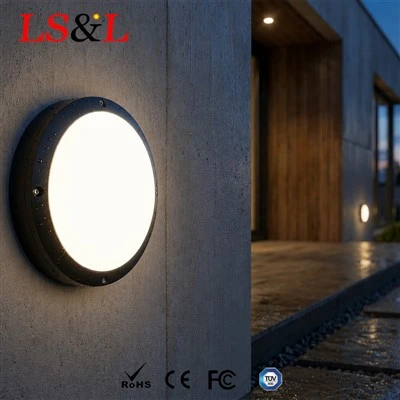
After more than a decade in lighting exports, factory and property clients often ask what to look for when testing emergency bulkheads. Checking only whether the lamp strikes is not enough. Here is what to inspect during tests, based on field experience.
Confirm Changeover Works
After isolating or simulating a mains failure, the luminaire should switch into emergency mode and light within the required time. For maintained types, check that normal-to-emergency changeover is smooth; for non-maintained types, check that the lamp can stay off in normal conditions and still strike on failure.
When testing an led bulkhead lamp, check points one by one-do not let a single sample stand for a whole floor.
Confirm Emergency Duration Meets the Requirement
Run duration tests to the project design and local rules, and verify that the battery supports the required minutes or hours. Short duration often traces to aged batteries, long gaps between tests, or high ambient temperature.
Record start and extinguish times so results can be compared with the asset log.
Check Indicators and Charge Status
Most self-contained emergency lamps show charge or status indication. Confirm the indicator is normal and note any fault colour. Indicator faults often appear before a total failure to light.
When an led bulkhead is spread across many points, log indicator faults as work orders so they do not pile up at the annual inspection.
Inspect Appearance, Fixing, and Environment
Look for damaged covers, internal fogging or water, and loose fixings. On damp or semi-outdoor points, check that seals still work; treat fully exposed positions as outdoor bulkhead light duty when judging protection and ageing.
A dirty optic reduces useful emergency brightness-cleaning belongs in maintenance, not only electrical testing.
Records and Schedule
- Function test: successful changeover
- Duration test: design endurance achieved
- Status indication: charge / fault display
- Appearance and seals: damage, fogging, looseness
- Log: point, date, result, corrective action
Test intervals and methods follow local codes and the project fire requirements. Keep written or electronic records for handover and traceability.
Testing emergency bulkheads should cover changeover, duration, indicators, appearance, and records-not only a quick check that the lamp lights. When the full list is done, the critical moment is more dependable.
From years of working with factory, property, and export clients, I know confidence in emergency lighting comes from test records, not from the hours printed on a datasheet. Do the items properly and inspections stand up.

If you are building an emergency bulkhead test sheet, share point types and whether units are self-contained. I can help identify which bulkhead light fits better and complete the list of checks that matter.