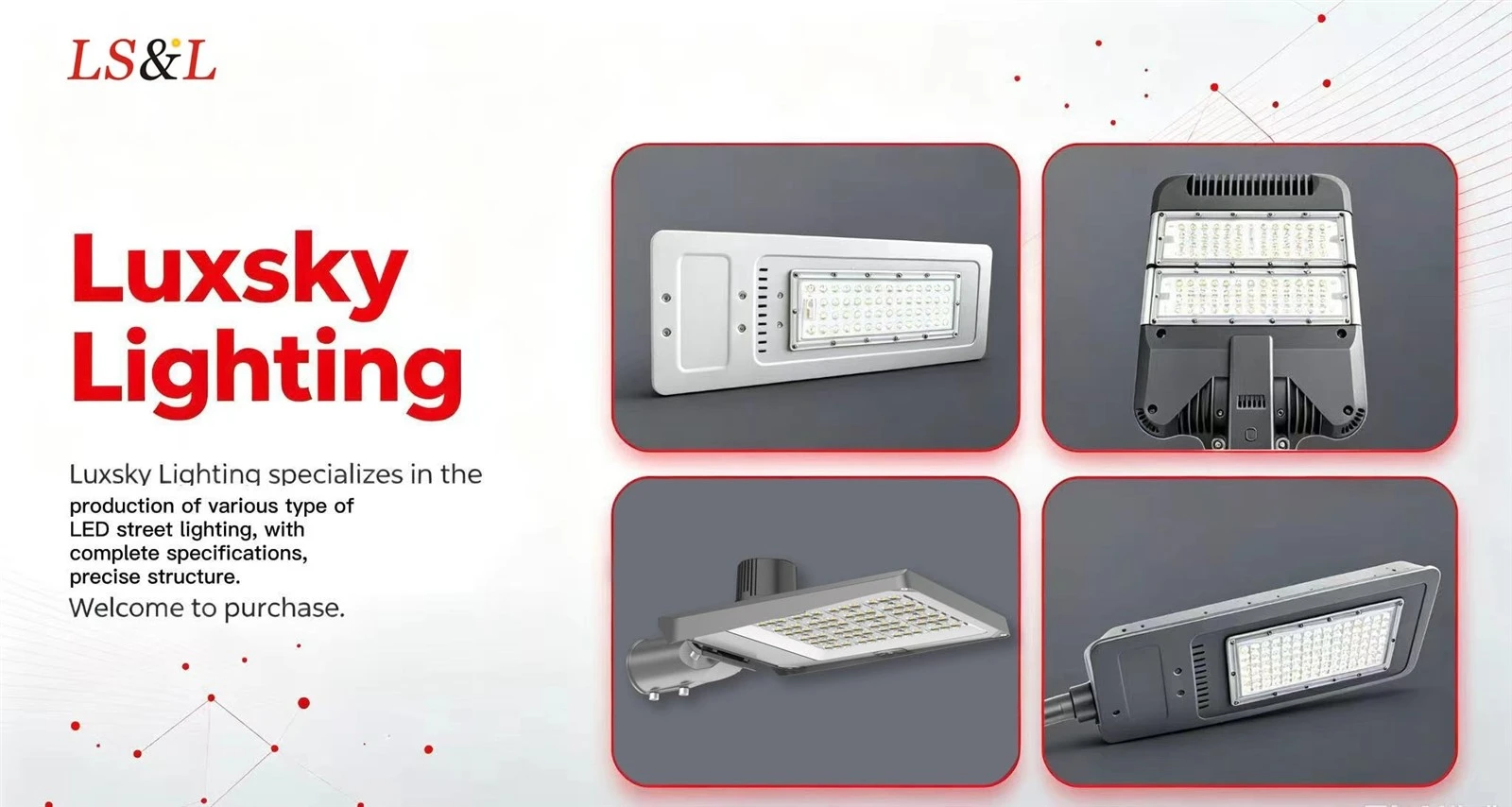
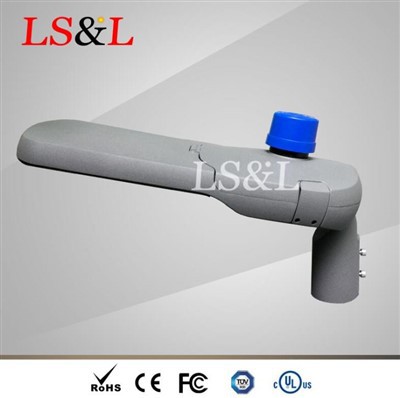
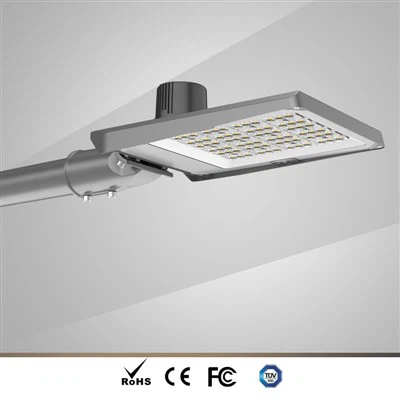
The Questions Customers in Hot Regions Care About Most
In the Middle East, Southeast Asia, Africa, and many hot summer regions in China, ambient temperatures often exceed 40°C and sometimes approach 50°C. At this point, many customers ask the same question: Can LED street lights still operate normally in such high-temperature environments? As someone who has worked on the front lines of LED engineering lighting foreign trade for many years, I have seen far too many projects fail because of inadequate high-temperature adaptability-resulting in accelerated lumen depreciation, driver failures, or premature breakdown. Today, I'd like to share, in the most straightforward way, whether luminaires can run stably under high temperatures, and how a truly reliable Strict quality control LED engineering lighting product achieves this.
The Three Main Challenges High Temperature Poses to LED Street Lights
The main challenges high temperature poses to LED street lights focus on three areas: LED junction temperature, the driver power supply, and the overall sealing structure of the luminaire. When ambient temperature rises, heat dissipation becomes significantly more difficult. If the heat sink design and thermal management are inadequate, the junction temperature can easily exceed safe limits, leading to reduced luminous efficacy, color shift, and greatly shortened lifespan. If the driver lacks sufficient derating design and high-quality components, capacitor life drops sharply under high heat, causing flickering or complete failure. If the sealing materials lack adequate temperature resistance or the assembly process is poor, prolonged high temperatures combined with sun and rain can lead to aging, cracking, water ingress, and dust intrusion. These are the most common failure points for Smart outdoor lights and roadway LED lighting in real-world projects.
What Truly Allows a Product to Withstand High Temperatures
Luminaires that can operate stably for long periods above 40°C do not rely on simply stacking materials, but on systematic thermal management and strict quality control. A good product uses high-thermal-conductivity aluminum integrated die-cast heat sinks, optimizes fin structure and effective heat dissipation area to minimize thermal resistance; both the light source and driver are fully temperature-derated to ensure sufficient margin under high ambient conditions; critical components are selected from higher temperature-rated brands; and the complete luminaire undergoes high-temperature aging, thermal shock, and long-duration full-load testing. Only strict quality-controlled LED engineering lighting that has passed these validations can keep lumen depreciation under control and maintain low failure rates for five years or longer in hot regions. In actual export projects, we have seen products with solid heat dissipation and thermal design continue running for years in Middle Eastern summers of 40–48°C with significantly lower lumen loss and failure rates than ordinary products. Those that only look good on paper and neglect high-temperature verification often start having frequent problems within one or two years.
How to Judge Whether a Street Light Truly Adapts to High Temperatures
To judge whether a street light can adapt to high-temperature environments, focus on these points: whether actual high-temperature rise test reports are available, whether the driver has a clear operating temperature range and derating specifications, whether the heat sink uses an integrated die-cast structure, and whether the complete luminaire has passed strict aging and environmental reliability tests. These details are exactly what we repeatedly emphasize to customers in daily foreign trade communication. True engineering-grade roadway LED lighting is never just about looking good in laboratory data-it must withstand the long-term test of real high-temperature outdoor conditions.
Conclusion
Luxsky Lighting has always treated stable operation under high-temperature environments as a core requirement for LED street lights. From thermal design and component selection to complete luminaire testing, every step follows Strict quality control standards, ensuring outstanding high-temperature adaptability and longer service life in Smart outdoor light and roadway LED lighting applications. If you are selecting products for municipal roads, industrial parks, or smart city projects in high-temperature regions, feel free to contact us directly for high-temperature test data and sample support. Choosing Luxsky Lighting's LED street lights means choosing a more stable, longer-lasting, and lower-maintenance lighting solution.