After years in the lighting export business, every time coastal or typhoon-prone projects come up - Southeast Asia, the Middle East, coastal China, or open highway stretches - I get asked the same thing: "What's the actual wind resistance rating of this light? Can it really hold up in a strong typhoon?" It sounds like a simple question, but there's a lot more to it than most buyers realize. Let's dig in.
Where the Real Difficulty Lies
Most buyers assume wind resistance is just about the pole or the mounting bracket. The real risk is the luminaire itself. Under sustained high winds or sudden gusts, poorly designed fixtures can experience excessive vibration, loosened fasteners, structural deformation, or even complete detachment. Once that happens, you're looking at safety hazards, costly emergency replacements, and project delays.
This is exactly why more and more tender documents for roadway LED lighting projects now require a clear wind resistance rating (for example, ability to withstand 12-level winds or specific wind speeds such as 40 m/s or 50 m/s), rather than simply accepting a general claim of "high wind resistance" on a brochure.
Three Factors That Determine Real Wind Resistance
Structural design and materials - Whether a fixture can survive extreme winds comes down first to the strength of the housing, the use of high-grade die-cast aluminum or reinforced alloys, and properly engineered reinforcing ribs. Thin or poorly reinforced housings will flex or crack under prolonged load.
Aerodynamic shape and fastening system - A well-designed Smart outdoor light reduces wind resistance through streamlined contours and uses high-strength stainless-steel fasteners with secure locking mechanisms. This is exactly the kind of detail that needs to be verified under a genuine Strict quality control LED engineering lighting system.
Full-unit testing and installation interface - Laboratory calculations alone are not enough. Real wind-tunnel testing or structural simulation under extreme wind loads, combined with a robust mounting interface, is what separates reliable products from those that only look good on paper.
A Real Case Says More Than Any Spec Sheet
We once supported a coastal highway project in a typhoon-prone region. The client initially installed luminaires from another supplier that claimed "high wind resistance." After the first major typhoon, several fixtures had shifted, fasteners had loosened, and a few units showed visible deformation. The project had to replace them urgently. This kind of failure is actually fairly common on roadway LED lighting projects in coastal and open areas, and at the root of it, the issue almost always traces back to inadequate structural design and incomplete wind-load verification.
How We Handle This
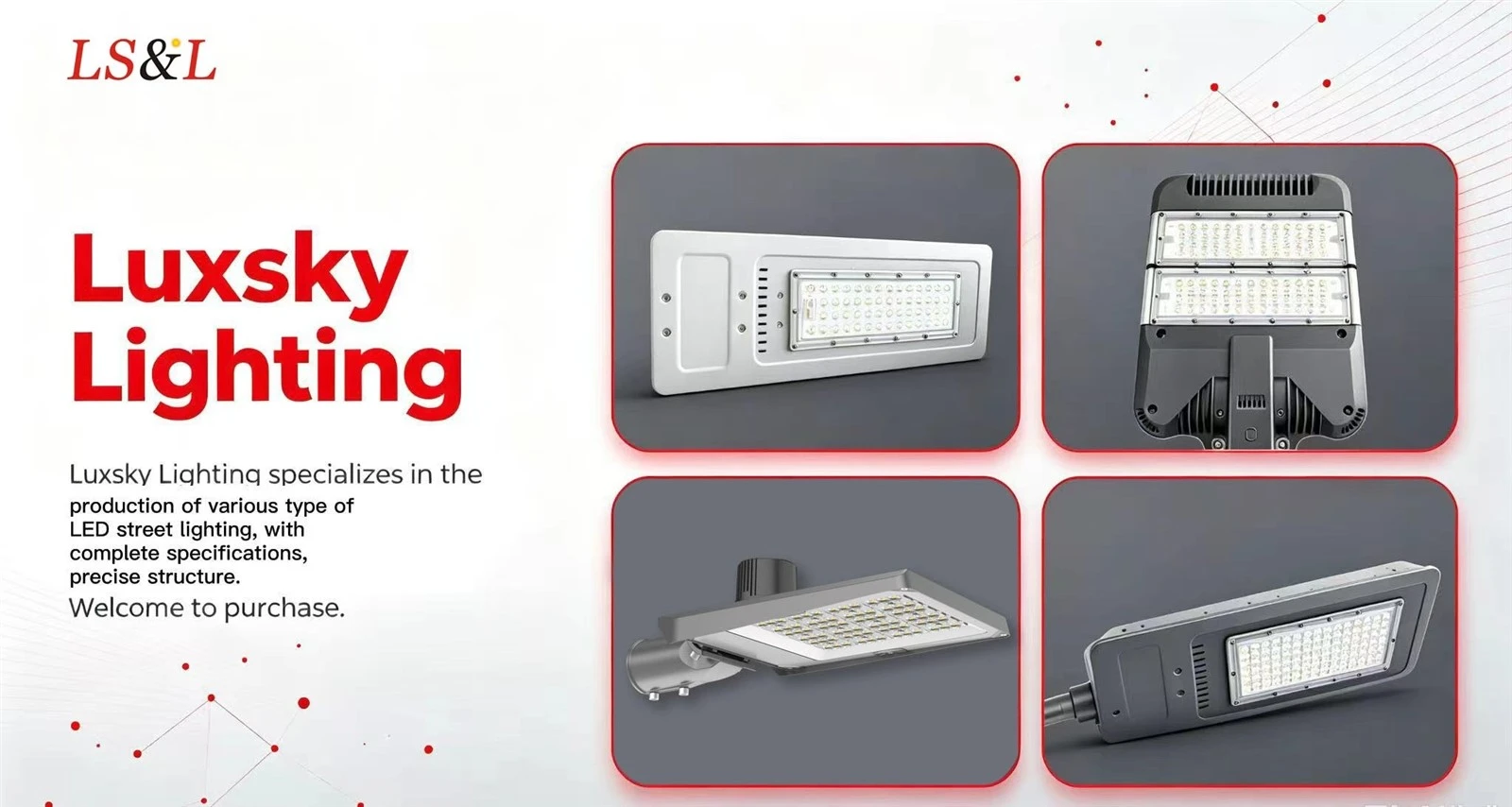
At Luxsky Lighting, wind resistance is treated as a core safety requirement from the earliest design stage. Every product undergoes structural analysis and verification against high wind loads. We use high-strength die-cast aluminum housings, optimized aerodynamic profiles, and reinforced fastening systems. Critical batches are tested to confirm stable performance under extreme wind conditions. Our Smart outdoor light and roadway LED lighting series are engineered to maintain structural integrity even in typhoon-level winds, protecting both the installation and long-term reliability.
If your project is located in a coastal, typhoon-prone, or open highway area, I strongly recommend asking your supplier for actual wind resistance data or test reports - not just marketing claims. Feel free to send us your project location and installation conditions; we're happy to help evaluate the most suitable solution for your local wind environment at no cost - no sales pressure, just honest technical advice.
Conclusion
Wind resistance performance is one of the clearest indicators of a street light's true engineering quality, and it's exactly the area where many suppliers look fine on paper but fail in the field. Luxsky Lighting stands behind strict quality-control LED engineering lighting standards, and every product is designed and verified to deliver reliable structural performance under high wind conditions. If you're sourcing a dependable LED street lighting supplier for a coastal or high-wind project, reach out to us for test data and a quote - let's make your project safer and more reliable from the start.