After more than a decade in lighting exports, factory clients often ask whether lighting controls really cut energy use on a plant. Main-hall loads are large, and routes and support areas burn for long hours-when control is right, waste drops sharply. Here is how controls save energy in factory buildings, based on field experience.
Adjust for Occupancy to Cut Empty-Hour Load
Link corridors, storage support routes, and stairs with little night use often stay fully on with nobody there. Occupancy sensing that switches to off or a low level when the space is empty removes that waste directly.
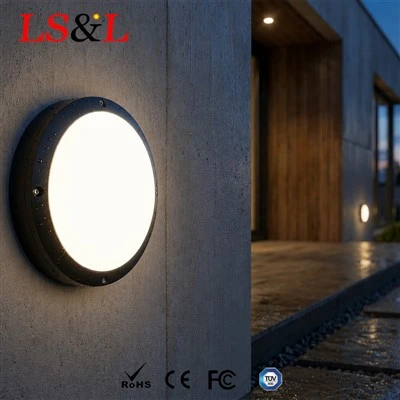
When an LED bulkhead light is used on these paths, sensing or a low continuous level often shows on the bill more clearly than only moving to a higher-efficacy lamp.
Zone and Schedule-Do Not Run the Whole Plant as One Switch
Split production, office links, loading-door zones, and outdoor vestibules into separate circuits or control groups, with schedules tied to shifts. After hours, keep only required safety lighting so the building is not held at one brightness until morning.
When a round bulkhead light is the common type on support routes, grouping and maintenance by floor or zone are easier.
Combine Dimming with Daylight
On links with windows or skylights, photocells can reduce artificial light by day. 0–10V or DALI dimming holds output at "enough" rather than full power, which adds up on long-burning points over a year.
Safety and escape requirements come first; control must not leave required areas under-lit.
Pair Efficient Luminaires with Control
Control saves unnecessary on-time and excess brightness; if the lamp itself is inefficient, the saving is still capped. Use high-efficacy LEDs first, then add sensible control, so the gains stack.
When control modules are added on humid or outdoor points, protection must not be downgraded-use a site-matched product such as an IP65 bulkhead light where needed.
Energy Points for Factory Lighting Control
- Prioritise sensing or schedules on low-traffic routes
- Control production, support, and outdoor zones separately
- Use dimming and daylight sensing to avoid daytime over-lighting
- Combine efficient lamps with control
- Keep minimum light required for safety and emergency
Lighting controls reduce energy use in factory buildings by limiting empty rooms, full-power hours, and lighting that is on when it is not needed. Bulkheads on routes and support areas are numerous and long-burning-when control is right, the electricity savings are real.
From years of working with factory and export clients, I know energy saving is not only a lamp swap; it is also about when light is on and how much. Clear control logic makes the payback easier to calculate.

If you are planning plant lighting energy reductions, share route types, shift patterns, and current controls. I can help identify which bulkhead light fits better and outline control measures you can implement.