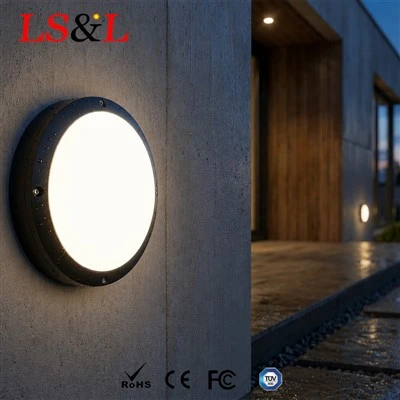
Many overseas factory clients reach out to ask about inspection schedules for emergency lighting. Having worked in engineering lighting foreign trade for years, I've noticed many buyers only focus on delivery and skip regular testing. This often leads to costly rework when they fail fire inspections. Regulations vary by region, so I've outlined inspection requirements and key checks based on real project experience.
1. Monthly Visual Check
Carry out a quick visual inspection every month, which applies to the led bulkhead lamp installed across factory premises. Check for casing damage, normal status indicator lights, water ingress and loose mounting brackets. No power cut simulation is needed here. This step catches visible defects and removes dust blockages to keep the fixture in good basic condition, with simple logs kept on record. Many small and medium factories tend to skip this routine.
2. Discharge Function Test (Quarterly or Bi-annually)
Simulate mains failure regularly to verify emergency runtime, following widely accepted standards. Batteries degrade faster for an IP65 bulkhead light deployed in dusty and humid sites, so shorten the testing interval for these units. Trigger power loss to confirm smooth switchover to emergency mode and record the actual backup duration. Restore power afterward and verify normal battery recharging. Keep all test records, as fire auditors frequently request these documents.
3. Full Comprehensive Annual Inspection
A complete deep inspection is mandatory every year for fire compliance. Besides discharge tests, examine wiring terminals, battery degradation, and the reliability of drivers and conversion modules. For any bulkhead light exposed to constant heat or corrosive conditions, pay extra attention to battery health and prepare spare replacement parts in advance. This annual audit is best conducted by certified electricians or third-party compliance bodies with an official report issued.
4. Extra Inspections After Special Events
Apart from scheduled checks, additional testing is required after fixture installation or renovation, power outages, or major site layout changes. Run emergency function tests even if the next routine inspection is not yet due. Remember that fire codes differ from country to country. Always follow local standards for export projects instead of relying solely on past experience.
5. Practical Tips for Project Management
Maintain a register for all emergency lights, noting location, model, last inspection date and expected battery replacement date. Replace ageing batteries proactively instead of waiting for total failure to avoid compliance delays.

If you are managing a factory lighting project and need clarification on local emergency lighting codes or a product selection list, share your site details with me. I can help build a compliant plan and reduce audit risks.