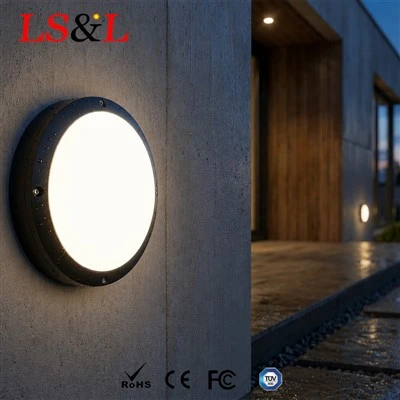
After more than a decade in lighting exports, factory clients often ask whether a 3-hour emergency rating is enough for industrial buildings. Some buy 3-hour units by habit; others fit only 1 hour. Here is when 3-hour emergency cover is suitable on industrial projects, based on field experience.
Start from Codes and the Fire Design-Not from Product Marketing
Required emergency duration follows local fire rules, the project design, and acceptance standards. Regions and building categories do not all demand the same escape-lighting duration.
When an led bulkhead lamp is labelled 3 hours, that states product capability-not that the project must have, or only needs, 3 hours.
3 Hours Is Common Where Longer Endurance Is Specified
Where the design clearly requires a longer emergency period, or the building standard calls for a longer evacuation and standby phase, a 3-hour configuration is a frequent option. Large sites, long escape paths, or owner standards above the minimum may also state 3 hours in the specification.
What matters is written basis-not a sales line that "higher is always better."
1 Hour or Another Duration Is Not Automatically Wrong
If codes and approved design call for a shorter duration, follow the design. Fitting 3 hours everywhere by default raises battery cost and maintenance load. If the design requires 3 hours and a shorter rating is supplied, handover and safety risk both increase.
An led bulkhead can be issued in more than one emergency-duration variant by point type, but it must match the drawings so mixed types can still be checked.
On Industrial Sites, Duration Must Also Be Testable
Battery ageing, high ambient temperature, or skipped charge–discharge routines can make real endurance shorter than the claim. Whether the rating is 1 hour or 3 hours, run function and duration tests to schedule and keep records.
Emergency lamps in humid or dusty positions still need matching protection-for example an IP65 bulkhead light-so moisture in the housing does not cut emergency operation short.
Practical Judgement
- Follow the duration in codes and the fire design
- When the design requires 3 hours: select and accept to 3 hours
- When the design requires another duration: do not force 3 hours site-wide
- Test regularly so claimed duration remains available
Whether 3-hour emergency backup suits an industrial building depends on legal and design requirements for the project, not on one industry habit. Duration written into the specification, proven by test, and maintained in service matters more than chasing a larger number.
From years of working with factory and export clients, I know emergency duration is a compliance item, not a contest. Match the drawings, match the product, match the tests-and the rating is suitable.

If you are confirming how many hours plant emergency bulkheads should provide, share the design requirement and point types. I can help identify which bulkhead light fits better and align duration with testing requirements.