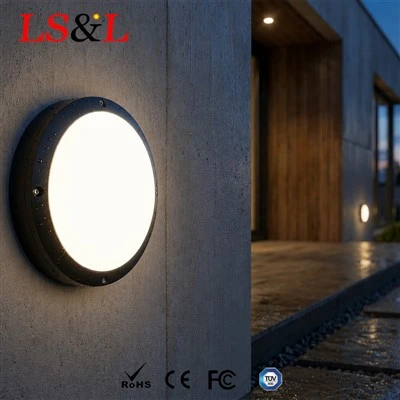
After more than a decade in lighting exports, factory clients often ask how high plant bulkheads are usually mounted. They want one standard number, but clear height, vehicle traffic, and function vary-so the useful answer is a practical range and a way to decide. Here is how to set installation height for factory bulkheads, based on field experience.
There Is No Single "Standard Height"-Only Common Ranges
Factory bulkheads mostly serve pedestrian routes, stairs, and door zones. Mounting height usually sits where the floor can be lit and accidental contact is limited. The exact figure shifts with clearance, lamp output, and whether forklifts share the route.
When selecting an led bulkhead lamp, treat mounting height together with lumens and spacing-not height first and lamp choice later.
Pedestrian Routes and Stairs: Above Common Contact Height
On links and escape stairs used mainly by people, side-wall mounting in the mid-to-upper band is common so light reaches treads and floors while staying clear of shoulder-height loads. Too low invites damage; too high leaves the floor dim and maintenance awkward.
On narrow routes, an led bulkhead must also stay clear of door swings and fire-equipment zones.
Routes with Logistics Traffic: Clearance First
On corridors with forklifts or trolleys, height must respect vehicle limits and fork movement so fittings do not enter the travel envelope. It is better to add points or improve distribution than to drop lamps into a scrape zone.
Check turns and door sides on site-these are the positions hit most often.
Vestibules, Exterior Walls, and Damp Zones
At doors, height still prioritises a clear view of the floor and any step at the threshold. On exterior walls, allow for rain and drainage so water does not sit on the top of the housing. Set protection by exposure-for semi-outdoor points, match outdoor bulkhead light requirements where needed.
In plant rooms, prioritise reading gauges on rounds and reachable maintenance; set height by operating sightlines and access.
Practical Steps to Fix Height
- Separate pedestrian, logistics, and plant-room functions
- Estimate coverage from ceiling height and lamp distribution
- Mark points that avoid impact and obstruction on site
- Lock height after a night check of floor brightness on a sample run
Typical installation height for factory bulkheads is a function-driven range, not one number. Pedestrian routes need readable floors and fewer hits; logistics routes protect clearance first, then appearance.
From years of working with factory and export clients, I know height should serve safety and maintenance-not only a tidy drawing. Walk the route and the number becomes reliable.

If you are setting bulkhead mounting height on a plant, share route type, ceiling height, and whether forklifts share the path. I can help identify which bulkhead light fits better and set a realistic height range.