After more than a decade in the lighting export business, I get asked some version of this question almost every week: "What's the working temperature range on this batch of lights? Can it handle the extreme weather in our region?" Let's break this down properly today.
What "Working Temperature Range" Actually Means
New buyers often confuse "working temperature" with "storage temperature." Working temperature range refers to the ambient temperature window in which a fixture can operate continuously - powered on and emitting light - without issues like lumen depreciation, dead LEDs, or driver failure. This single parameter often determines whether a fixture can survive a desert installation in the Middle East, a harsh Russian winter, or the high heat and humidity of Southeast Asia.
For roadway LED lighting in particular, the working temperature range is critical. Street lights sit outdoors year-round, exposed to huge swings between day and night and between seasons. Get the selection wrong, and at best you see accelerated light decay and shortened lifespan; at worst, you're looking at mass failures across an entire batch before the warranty period is even up - a costly headache for distributors and end users alike.
Common Industry Standards
Most mainstream LED fixtures are rated for a working temperature range of roughly -40°C to +60°C, and products custom-built for extreme cold or extreme heat climates can go even lower, down to -45°C or beyond. But here's a common trap: a more exaggerated temperature rating on the spec sheet isn't automatically better. What matters is whether that number is backed by real test data and disciplined LED engineering lighting practices.
Three core factors determine a fixture's actual working temperature range:
- Driver selection - Low-quality drivers bulge and fail quickly under high heat, and this is one of the single most common causes of street light failure in the field.
- Thermal design - The fin design of a die-cast aluminum housing and the quality of the thermal paste directly determine whether a fixture can perform reliably under sustained high temperatures.
- LED chip junction temperature control - Lifespan theoretically drops by half for every 10°C rise in junction temperature, which is exactly why strict quality-control LED engineering lighting matters so much at every stage of production.
Why Strict Quality Control Is Non-Negotiable
I'll be honest - over the years I've seen plenty of buyers get burned chasing the lowest price. The lab spec sheet looks great, but three months after installation, lights start failing in clusters out in the field. A genuinely reliable factory keeps traceable test records at every step - chips, drivers, housing materials, aging tests. Thermal cycling tests, salt spray tests, and IP66/IP67 ingress protection testing should be standard practice, not a box-checking formality.
This is also why more and more buyers, when shopping for a Smart outdoor light solution, look beyond flashy features like dimming and daylight sensing and dig into the supplier's quality control system and third-party test reports. No matter how sophisticated the smart features are, none of it matters if the fixture itself can't survive extreme temperatures.
How We Approach This
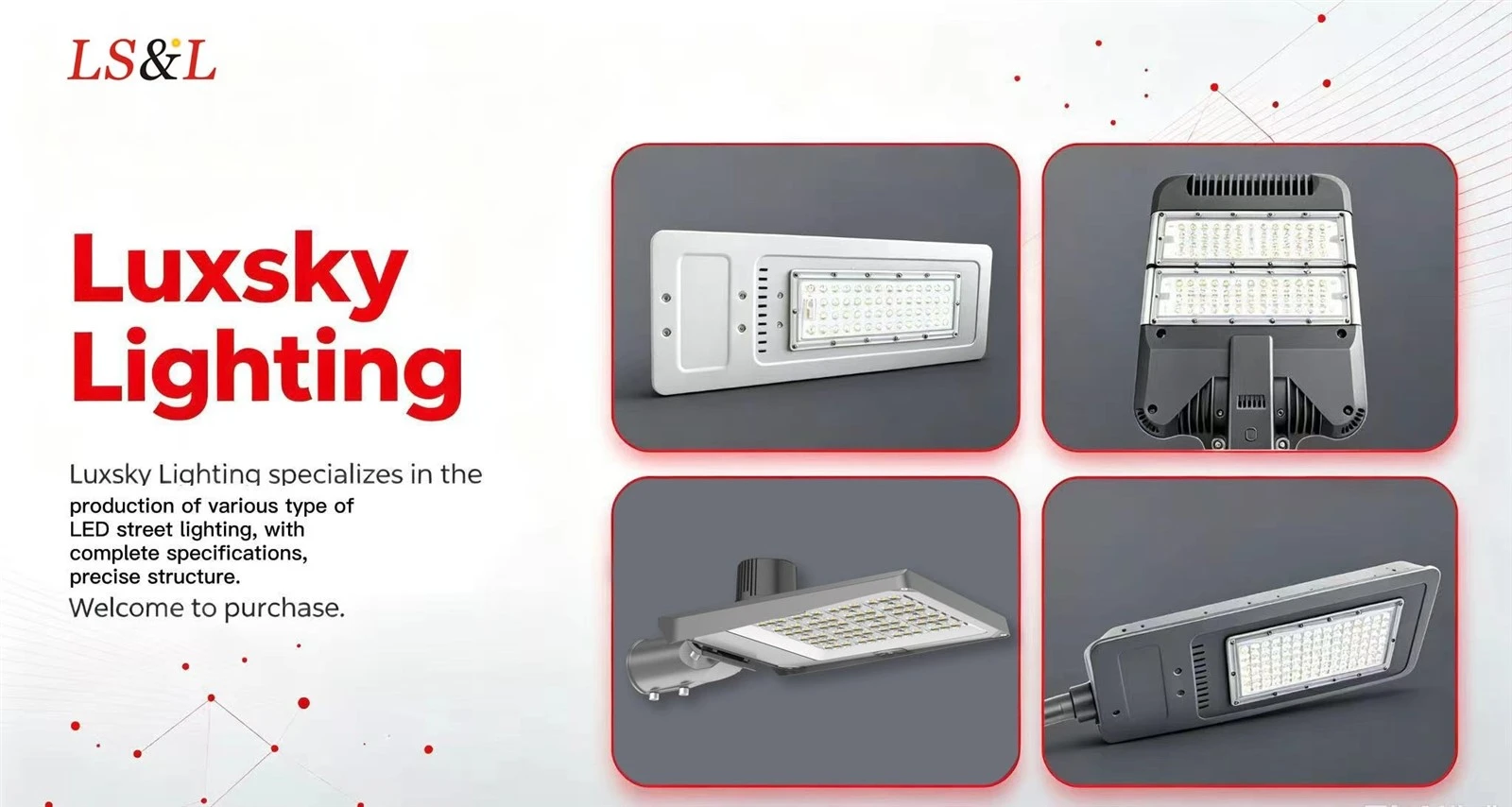
At Luxsky Lighting, the working temperature range is treated as a core design metric from day one of product development. Every roadway LED lighting product we ship goes through 72+ hours of high- and low-temperature aging tests before leaving the factory, confirming stable current, luminous flux, and color temperature across the full -40°C to +60°C range. Our Smart outdoor light series also includes a built-in thermal protection module that automatically adjusts power output if it detects abnormal junction temperatures, further extending service life.
If you're currently sourcing for a project and unsure which spec fits your local climate, send us your installation location, supply voltage, and mounting height. Our engineering team can provide free selection guidance and test reports - no pressure, no hard sell.
Conclusion
Working temperature range may seem like a minor spec, but it's actually one of the clearest tests of a manufacturer's real capability. Luxsky Lighting stands behind Strict quality control and LED engineering lighting standards at every stage, from material sourcing to final testing, so every fixture we ship can hold up under demanding climate conditions. If you're looking for a reliable, durable LED street lighting supplier, reach out to us for a quote and product specs - let's make your project easier from the start.